


When severe winter weather strikes the Pacific Northwest, your garage door faces serious challenges. Learning how to protect garage door winter weather damage can save you from costly repairs and keep your home secure during Oregon and Washington’s harshest storms. Heavy snow accumulation and damaging ice buildup test every component of your garage door system.
Most homeowners don’t think about their garage door until it stops working—often during the worst possible moment. Proper preparation and maintenance prevent most winter-related problems before they start.
Why Winter Weather Poses Risks to Your Garage Door
Winter weather creates multiple hazards for garage door systems. Snow and ice accumulation adds significant weight to door panels, putting extra strain on springs and the opener mechanism. A single heavy snowstorm can deposit several hundred pounds of snow on your door, forcing components to work beyond their normal capacity.
Extreme cold causes metal parts to contract, affecting the precise alignment needed for smooth operation. Your tracks, rollers, and hinges all shift slightly as temperatures drop, which can lead to binding and uneven movement.
High winds during winter storms damage panels, especially on wider two-car or three-car doors. These winds drive moisture into every gap and crack, where it freezes and expands, potentially damaging weatherstripping and seals. Temperature fluctuations also affect the lubricants that keep your door running smoothly—standard oils can thicken or freeze in cold weather.
For comprehensive seasonal preparation strategies, review our complete winter care guide for Oregon homeowners.
How to Protect Your Garage Door in Winter Weather: Winterization Steps
Proper winterization starts with a thorough inspection of your weatherstripping. Check the rubber seal along the bottom of your door—this is your first line of defense against snow, ice, and cold air infiltration. Replace any cracked, brittle, or compressed sections before winter arrives. Quality weatherstripping should be flexible and form a complete seal when the door closes.
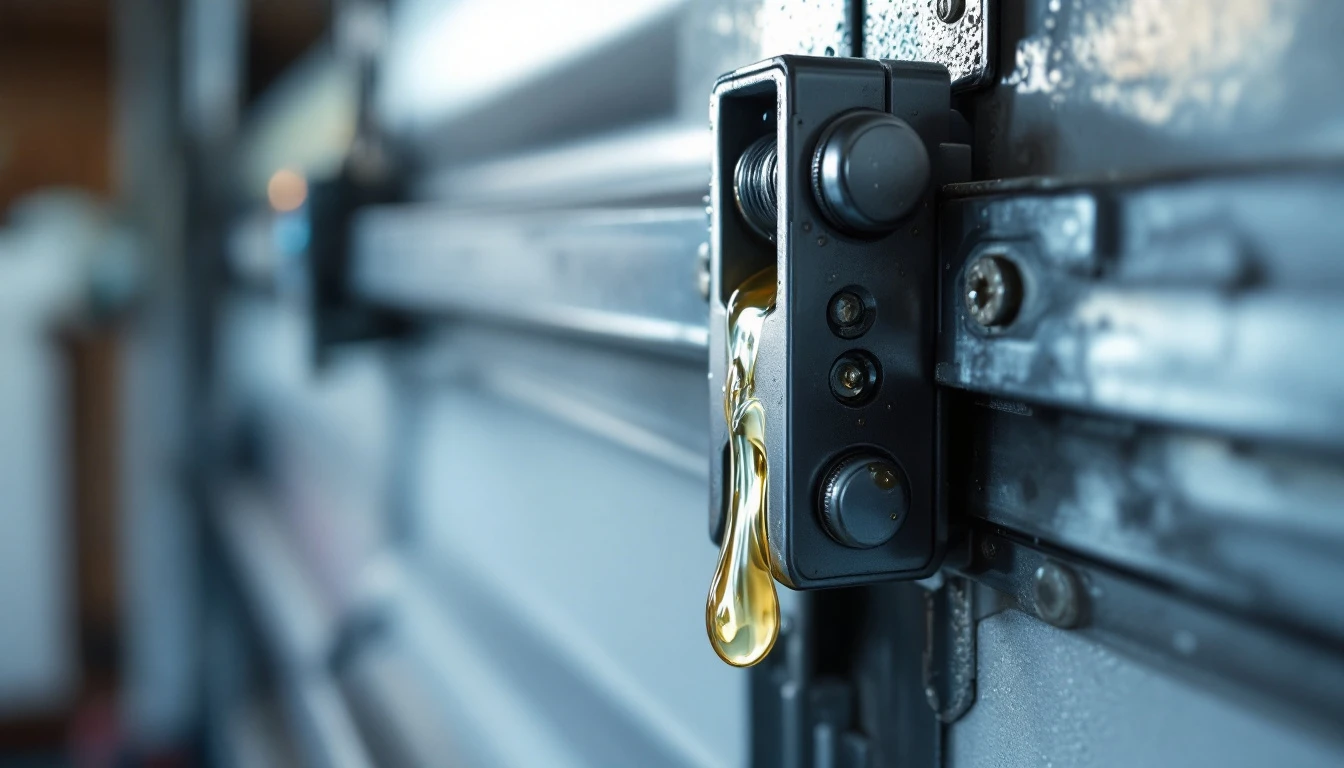
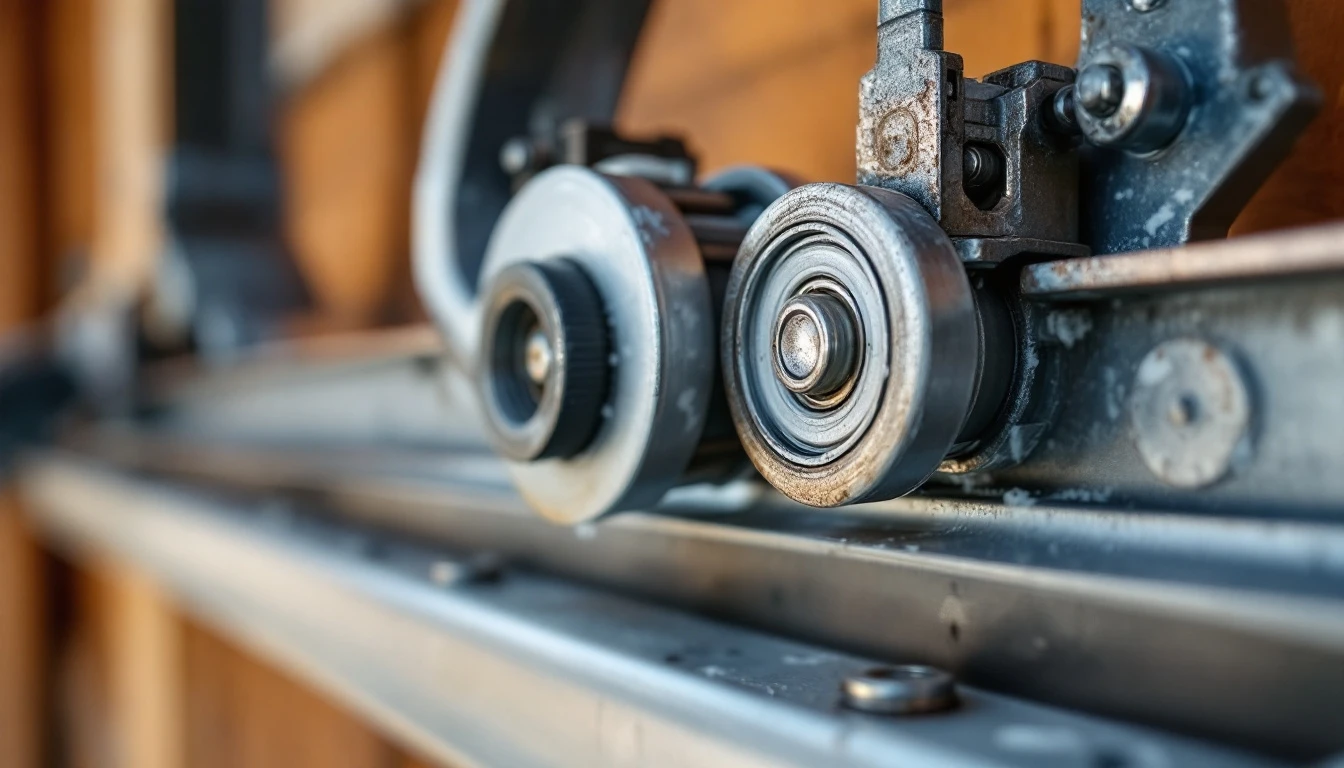
Lubrication becomes even more critical in cold weather. Standard household oils won’t work—you need a cold-weather appropriate lubricant specifically designed for garage doors. Apply it to all moving parts including rollers, hinges, springs, and the chain or belt drive. Focus on metal-to-metal contact points where friction increases as temperatures drop.
Professional Insight: Test your door’s balance before winter by disconnecting the opener and manually lifting the door halfway. It should stay in place without assistance. If it drops or rises, your springs need adjustment—a task best handled by professionals to avoid injury.
Check your garage door opener’s backup battery system. Winter storms frequently cause power outages, and you don’t want to be trapped inside—or locked out—when electricity fails. Most modern openers include battery backup, but the batteries need periodic replacement.
Verify that your automatic reversal system and photo-eye sensors work properly. Snow and ice can interfere with sensor alignment, creating safety hazards. Clean the sensor lenses and check their alignment. The Consumer Product Safety Commission emphasizes that working safety features are critical year-round but especially when weather conditions make garage access more challenging.
Preventing Ice and Snow Damage to Garage Door Panels
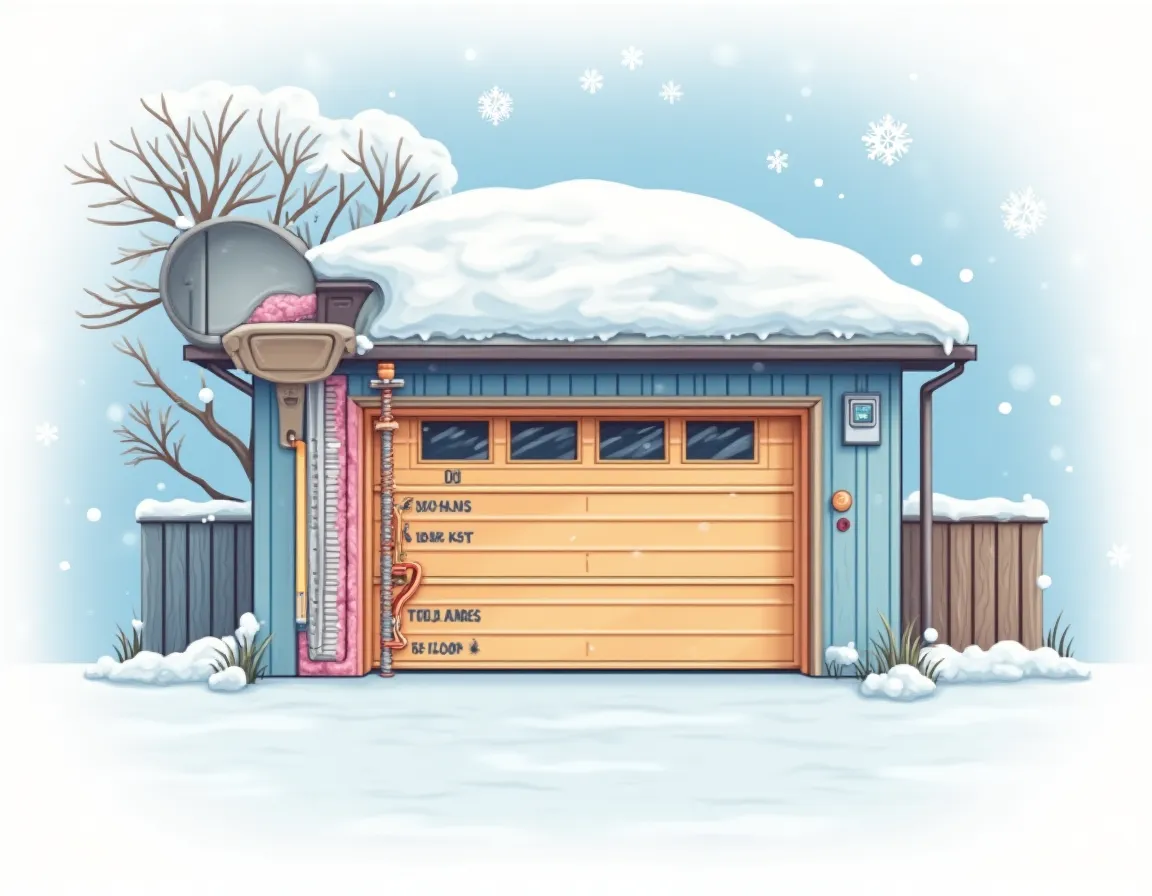
Regular snow removal is essential for garage door snow and wind damage prevention. After heavy snowfall, gently clear snow from your door using a soft broom or brush. Start from the top and work downward to avoid pushing snow into weatherstripping or sensor areas. Never use sharp tools that could scratch or dent panels.
| Ice Prevention Method | Effectiveness | Best For |
|---|---|---|
| Heated cables along bottom seal | Excellent | Areas with frequent ice buildup |
| Regular snow removal | Very good | All climates |
| Improved weatherstripping | Good | Preventing ice formation |
| Silicone lubricant on seals | Moderate | Supplement to other methods |
In severe climate areas, consider installing heated cables along the bottom seal of your door. These low-voltage systems prevent ice from bonding the door to the garage floor—a common problem that can damage the door mechanism when you try to open it. The cables activate automatically when temperatures drop below freezing.
Garage Door Maintenance for Severe Winter Weather Protection
Schedule professional maintenance before winter arrives. A qualified technician will check spring tension, inspect rollers for wear, and verify that all components function properly under cold-weather stress. Springs are particularly vulnerable—cold temperatures increase brittleness and the risk of sudden failure.
Sensor maintenance becomes critical during winter. Photo-eye sensors can collect ice, snow, and road salt spray that interferes with their operation. Clean sensor lenses weekly during winter months, and check alignment after any heavy snow or wind event.
Test manual operation regularly throughout winter. Know how to disengage your automatic opener and lift the door manually. During power outages—common during severe winter storms—this knowledge becomes essential. Practice the procedure several times so you can do it quickly when needed.
Our detailed guide to manual garage door operation walks you through the complete process safely.
Winter Storm Garage Door Protection Tips and Emergency Preparedness
Keep emergency contact information easily accessible. Store the phone number for professional garage door repair service where you can find it quickly—not just in your phone, which may die during a power outage. Write it on a card and keep it near your garage door opener or in your glove compartment.
Document your garage door’s condition with photographs before and after severe weather events. Take clear photos of all panels, hardware, and the overall door. This documentation proves invaluable for insurance claims if storm damage occurs. Include photos of any pre-existing issues to establish a timeline.
- Prepare emergency supplies: Stock backup batteries for your opener, flashlights, and basic tools needed for manual operation.
- Create an emergency plan: Know your manual release procedure and practice it with all household members.
- Monitor weather forecasts: Before major storms, check that your door operates correctly and consider leaving vehicles outside if severe conditions threaten power outages.
- Inspect after storms: Check for ice buildup, panel damage, and component stress after each severe weather event.
Stock backup supplies in your garage including extra batteries for your opener, a manual can opener (if you store food in the garage), and warm clothing if you might need to perform emergency repairs. Keep a shovel specifically for clearing snow from garage door areas—separate from your driveway shovel.
Understanding winter storm garage door protection tips and implementing them before weather arrives makes the difference between minor inconvenience and major damage. Address vulnerabilities before storms test your door’s limits.

Don’t wait until winter weather damages your garage door. Contact Garage Harmony today to schedule your pre-winter maintenance inspection. Our experienced team will prepare your garage door to handle whatever Oregon and Washington winters bring your way.



Leave A Comment