

Why August Is Your Reset Window
August is the ideal time to organize your garage because summer clutter reaches its peak—exactly when you need space for back-to-school supplies. Sports equipment, beach toys, and camping gear pile up during vacation months, creating chaos just as families need room for school supplies and fall routines. That back-to-school momentum creates natural urgency—the same energy that drives you to shop for supplies and set up homework stations can transform your garage. Our team at Garage Harmony recommends using this natural momentum to set up systems that’ll keep your garage functional year-round.
The three-zone approach works. It’s concrete, easy to maintain, and capitalizes on the natural momentum of back-to-school season to lock in lasting organization. Long weekend time blocks before school starts provide ideal windows for quick implementation. By establishing your storage zone, work zone. And vehicle zone now, you create a baseline that prevents clutter from snowballing through fall and winter.
Starting fresh this month means maintaining control year-round.
Storage Zone: Seasonal & Overflow Items
Your storage zone is the key to long-term organization—it keeps off-season gear contained so your workspace stays functional. Start by separating items into clear categories:
- Summer sports equipment
- Holiday decorations
- Winter gear
- Seasonal clothing
- Camping supplies
When everything has a defined category, you’ll never wonder where something went.
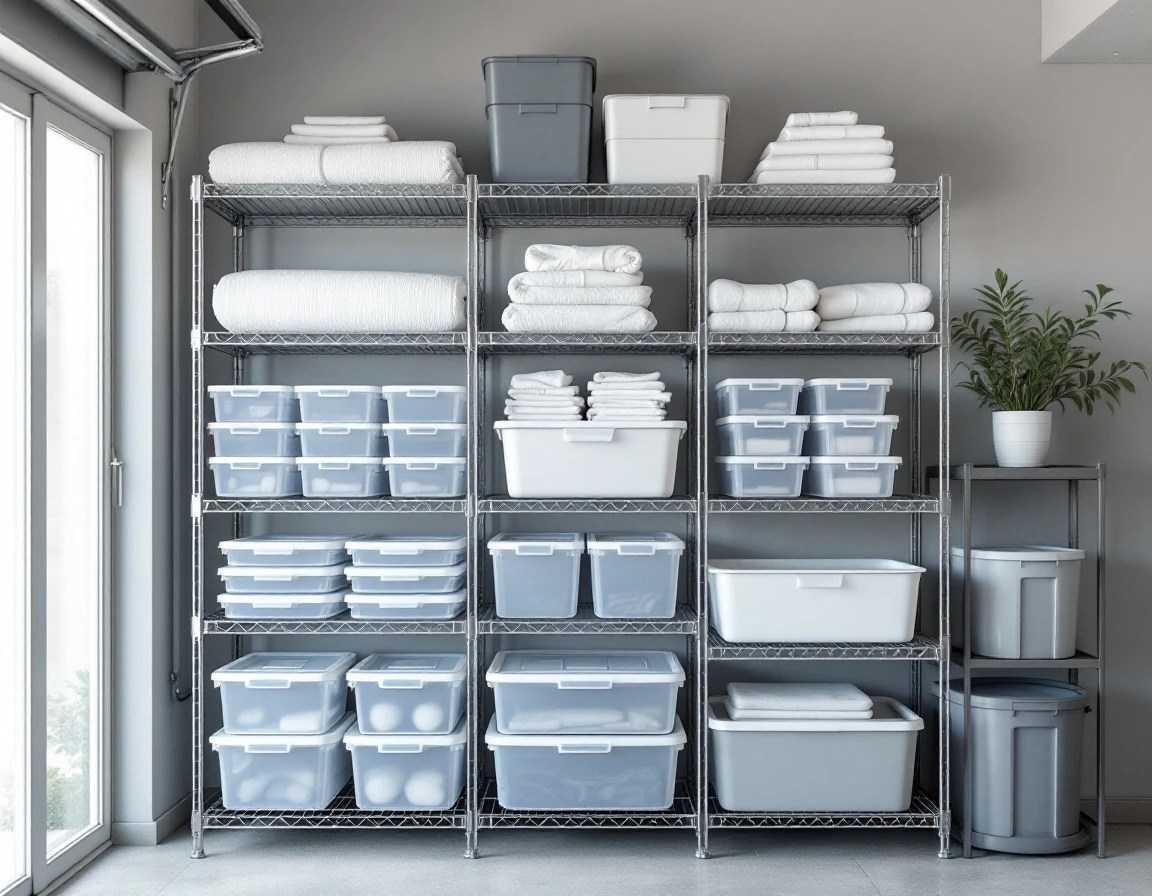
Vertical storage is your best friend here. Wall-mounted shelving units keep bins off the floor and make every square foot count. Pegboards turn awkward wall space into functional hanging zones for camping chairs, coolers, and sports equipment. Stack clear plastic bins on shelves. Transparency matters—you can spot what you need at a glance.
Here’s the key to long-term success: label everything. Use a label maker or permanent marker to identify each bin’s contents and the season it belongs to. “Holiday Lights—November” or “Beach Toys—Summer” prevents the frustrating search-and-dig cycle that leads to chaos.
Assign permanent homes for each category and make sure everyone in the household knows the system. When the soccer season ends, the equipment goes back to its designated bin on the third shelf. This simple habit prevents re-cluttering and maintains your newly organized space through every season.
Work Zone: Tools & Projects
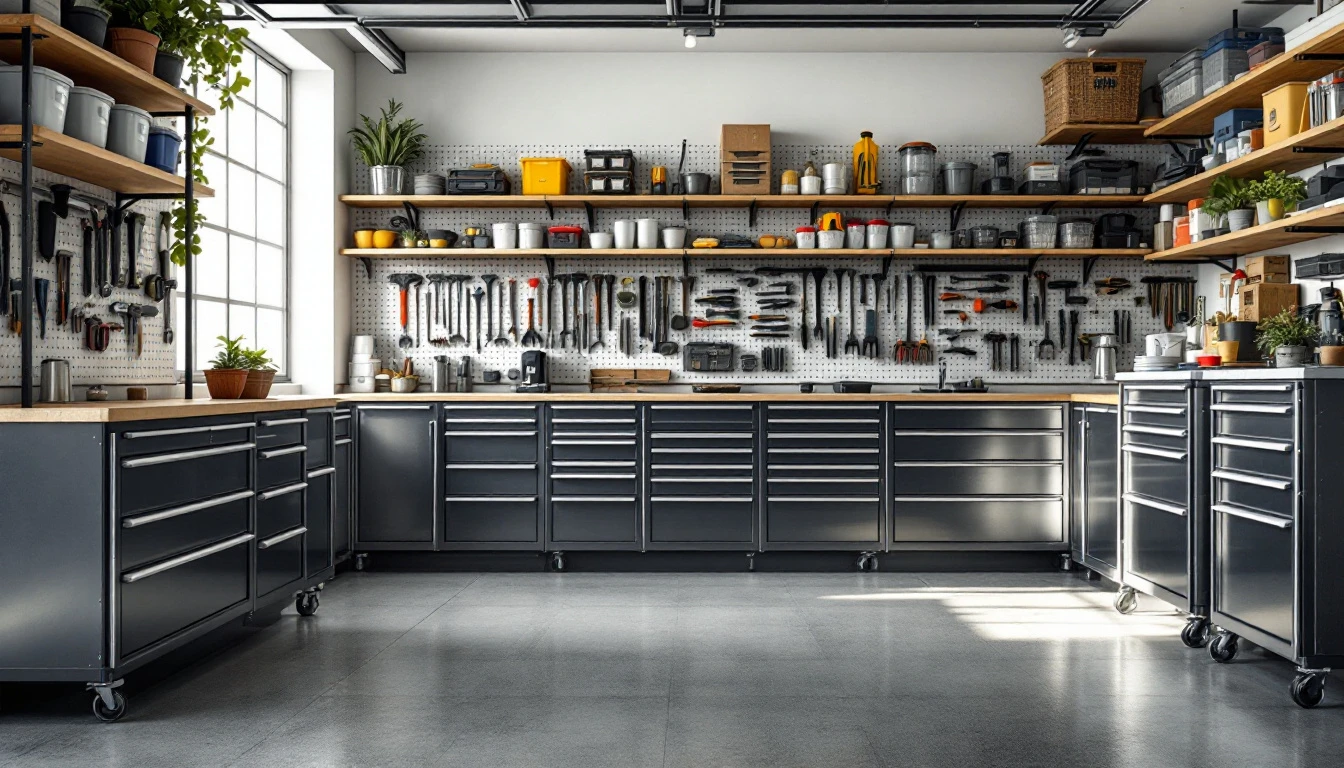
Your work zone should serve as command center for all DIY projects, repairs, and tool access. Start by consolidating hand tools and power tools in one accessible location—preferably on the wall opposite your vehicle zone. Wall-mounted pegboards keep frequently used wrenches, screwdrivers, and hammers at arm’s reach while freeing up valuable floor space for movement and larger equipment.
Install magnetic strips for metal hand tools and clearly label storage spots for power tool batteries and chargers. This prevents the frustrating hunt for a charged drill battery when you’re mid-project. Designate a small workbench or folding table as your project staging area where in-progress work can sit without blocking vehicle access or spilling into storage zones.
If your garage has tools scattered across multiple shelves, drawers, and boxes, bring everything together now with garage storage solutions. We recommend consolidating first—gather all tools into your designated work zone before organizing.
When work items stay contained in their defined zone, they won’t migrate into your car space or become buried under seasonal storage.
This dedicated setup means you can tackle quick repairs without disrupting your entire garage layout.

Vehicle Zone: Clear Parking & Access
The vehicle zone forms the foundation of your three-zone system. Start by defining parking boundaries with floor tape or paint to prevent seasonal clutter from creeping into driving paths. These visual guides protect the space your car needs for doors to open fully and passengers to enter and exit safely.
Install a shallow wall-mounted shelf near your vehicle’s regular parking spot for car-related essentials like motor oil, windshield fluid, air filters, and cleaning supplies. This keeps maintenance items accessible without taking up valuable floor space or forcing you to hunt through storage bins.
Create a landing zone near the garage entry door for backpacks, sports equipment, and daily-use items during back-to-school season. A few wall hooks or a narrow bench prevents these items from sprawling across your parking area. Don’t forget to check overhead clearance—remove any hanging items that could strike your vehicle’s roof or obstruct door operation year-round.

August Action Plan & Maintenance
Ready to tackle your garage transformation? Here’s a concrete plan for a long weekend that capitalizes on back-to-school momentum. Friday evening. Spend two hours doing the heavy mental lifting: walk through your garage with a notepad and assign items to your three zones. Take before photos of each zone for comparison later. Sort items into rough piles—storage zone candidates here, work zone tools there, vehicle zone essentials by the door.
Saturday is installation day. Dedicate four to six hours to mounting shelves, installing pegboards, and arranging heavy items in their designated zones. This is when you’ll need family buy-in—get everyone involved in moving bins, holding levels, and making decisions about what stays and what goes. By evening, each zone should have its physical structure in place.
Sunday brings it all together with labeling and final arrangement. Create a written label inventory as you go—a simple notebook list of what’s in each bin and where it lives. Take after photos matching your Friday shots. This documentation becomes your maintenance reference.
The secret to lasting success? A 15-minute monthly reset aligned with your calendar. Pick the first Saturday of each month. Walk through, return stray items to their zones, and check that labels still match contents. For broader garage maintenance strategies, explore our garage care guides. Contact Garage Harmony today for professional garage organization solutions that keep your space functional all year!








Leave A Comment