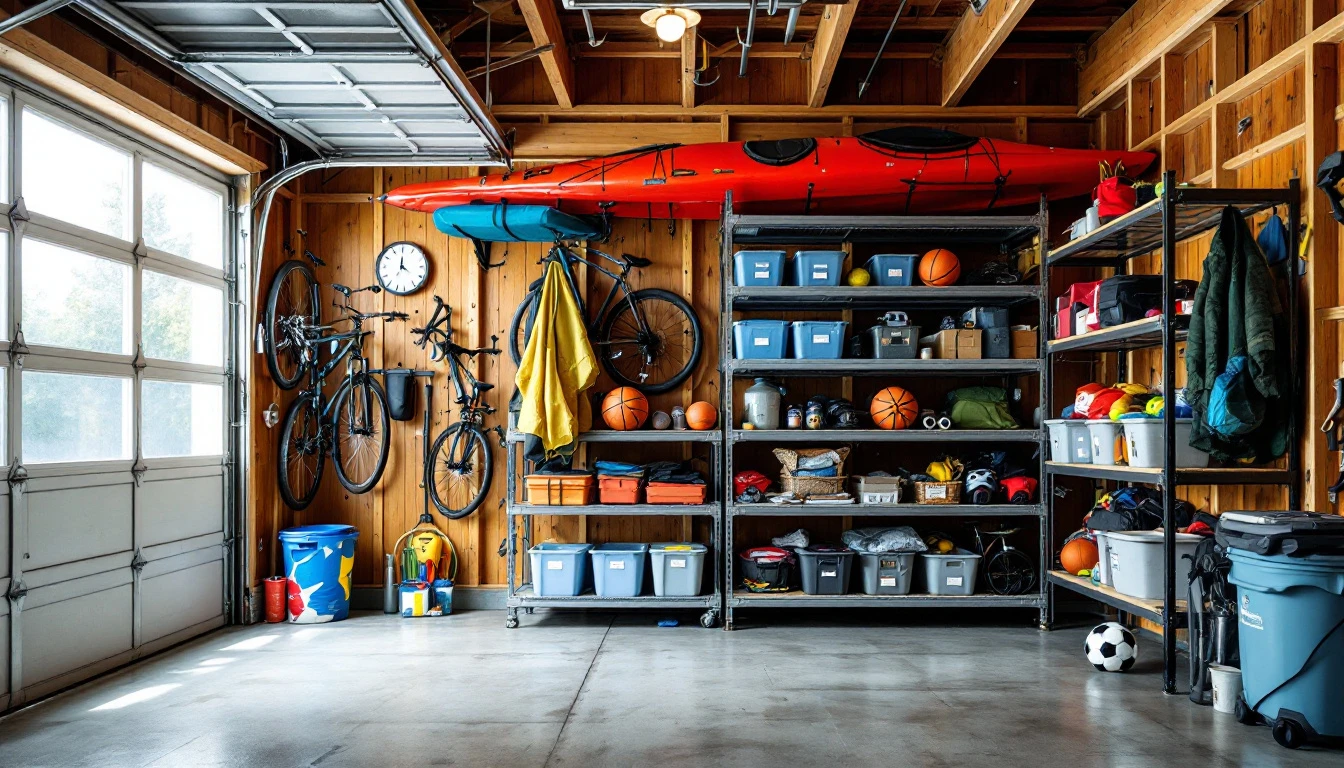
August Back-to-School and Fall Sports Chaos: Why Garage Storage for Sports Gear and Bikes. Matters
August in the Portland area brings a perfect storm of organizational challenges for families. Back-to-school shopping floods homes with binders, backpacks, and supplies just as fall sports season kicks into high gear. Soccer cleats, baseball gloves, and swim gear all need a home—and most of it ends up piled in the garage. Without proper garage storage for sports gear and bikes. Families struggle to find what they need when they need it.
Sound familiar? You’re digging through bins five minutes before soccer practice, hunting for shin guards that disappeared somewhere between the camping gear and the half-empty paint cans. Your daughter can’t find her bike helmet, and you’re late again. These aren’t just minor inconveniences—they’re symptoms of a storage system that can’t keep pace with your family’s activity level.
Without accessible, designated zones for sports equipment and school supplies, families end up buying duplicate items they already own but can’t locate. Practice deadlines get missed because the right gear isn’t where it should be. The garage becomes a source of daily frustration instead of functional space.
The solution? A zone-based storage system installed in August—before September’s pressure hits.
When every category has its place, mornings run smoother and your garage actually works for your family.
Zone-Based Storage Framework for Sports Gear and Bikes
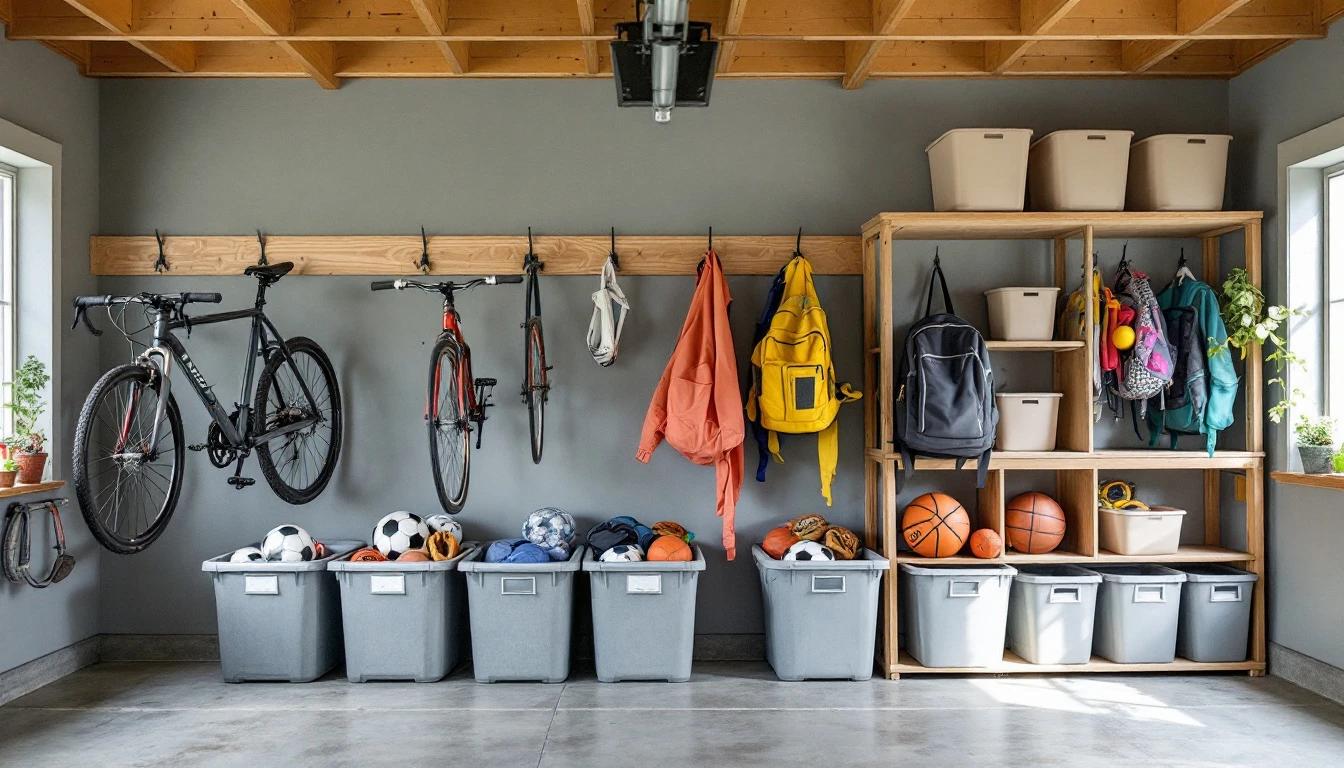
The secret to ending garage chaos lies in a simple principle: divide your garage into distinct zones based on how often you access each type of equipment. Instead of piling everything together, you’ll create dedicated areas for bikes, seasonal sports gear, everyday school supplies, and off-season equipment. Each zone addresses a specific need, putting items exactly where you’ll reach for them.
Your zone-based system includes the following areas:
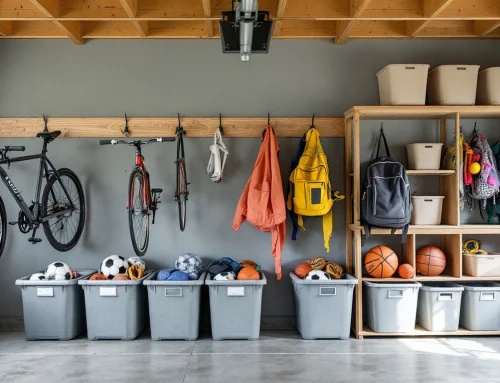
- Bike zone near the garage entry for daily riders who need grab-and-go access
- School supply zone with backpacks, lunchboxes, and shoes close to the door into your house
- Everyday sports gear zone with helmets, cleats, and shin guards at arm’s reach on wall-mounted systems
- Off-season equipment zone on higher shelves for items not currently in use
This framework adapts beautifully to Portland’s typical garage dimensions. A tight single-car setup might stack zones vertically along one wall, while a roomier two-car configuration can spread zones horizontally with walking space between. The beauty of this system? You can create a custom layout that fits your specific space and family patterns, stopping the August avalanche before it starts.
Bike Storage Zone Setup
Wall-mounted racks and ceiling hoists are your best friends when multiple bikes compete for floor space. Vertical bike racks let you stack two or three bikes along a single wall section. While pulley-based ceiling hoists lift adult bikes overhead—perfect for freeing up room below for kids’ smaller frames that need daily access. Our garage bike storage solutions maximize your available space without sacrificing accessibility.
Portland’s rainy climate demands more than just bike parking. Your storage zone needs open space where wet bikes can drip-dry after morning commutes and after-school rides. Position bikes where you can quickly check tire pressure, wipe down chains, and tighten loose handlebars before the next trip.
Smart details make the difference:
- Install helmet hooks at kid-friendly heights near the bikes
- Mount a small shelf for your floor pump and basic tools
- Add a lock hangar where keys stay visible
When everything has a home, your family spends less time searching and more time riding.
Sports Equipment and School Supplies Zones
Dedicated shelving units for sports equipment organize gear by sport and season, with the frequency-of-use principle guiding placement. Active fall soccer cleats and football pads stay at eye level, while summer swim gear moves to higher shelves until next June. This vertical strategy keeps current essentials within arm’s reach while preventing the floor-pile chaos that loses shin guards minutes before practice. How to organize garage sports equipment starts with this simple categorization by activity and usage frequency.
Your school supplies zone anchors the lower shelves with everyday items at kid height—backpacks hang on hooks, lunch boxes rest in grab-and-go bins, and project folders stay visible in labeled containers. Clear bins and bold labeling mean your middle schooler finds their own calculator instead of asking you to buy a third one. These same principles apply to organizing kids school supplies in garage settings across Portland.
Portland’s humidity demands moisture-resistant materials. Metal wire shelving allows air circulation around damp equipment, while resin units resist warping in garage temperature swings.
Transparent storage bins let everyone see what’s inside without opening every container, eliminating the August scramble when visibility equals accountability.
Portland-Specific Shelving and Materials
Portland’s wet climate demands shelving that can handle moisture without warping, rusting, or developing mold. Metal shelving units with epoxy coating or powder-coated finishes resist humidity from our rainy months, while treated wood options offer a budget-friendly alternative when properly sealed. Galvanized steel units stand up to damp conditions season after season, making them ideal for families storing bikes that come in wet from October through May.
What ceiling height does your garage offer? Most Portland garages feature 8-foot ceilings in older homes and 9-foot ceilings in newer construction. This matters when installing tall shelving units—you’ll want heavy-duty shelving that maximizes vertical space without blocking garage door tracks or ceiling-mounted bike hoists. Units rated for 200+ pounds per shelf handle the combined weight of sports equipment bins, bike gear, and school supply containers without sagging.
Installation works best on the concrete slab floors common throughout Portland garages. Anchor shelving units directly to concrete using masonry anchors rather than relying on floor weight alone, especially for tall units storing heavy gear. Premium epoxy-coated systems cost more upfront but deliver decades of service, while wire shelving offers cost-effective moisture resistance perfect for budget-conscious families getting organized before school starts.
Phased Implementation Timeline
Breaking your garage transformation into weekly phases makes the project manageable, even during busy August schedules.
- Week 1—Assessment: Inventory all bikes, sports gear, and school supplies currently in your garage, then measure your space and sketch zone placements based on what you’ve learned. This planning week requires minimal time but sets you up for success.
- Weeks 2-3—Purchasing and Installation: Order your shelving units, bike racks, and storage bins, allowing time for delivery and any adjustments. Installation can happen in stages—mount bike hooks one weekend, assemble shelving the next—so you’re not losing entire days to the project.
- Week 4—Organization and Maintenance Setup: Organize items into their designated zones, apply labels to bins and shelves, and establish simple maintenance routines like weekly gear checks. Completing this system by Labor Day means your family avoids the frantic first-week-of-school searches for soccer cleats or forgotten backpacks. Once established, these routines sustain themselves throughout the school year, keeping chaos at bay when schedules get hectic.
Year-Round Maintenance and Seasonal Adjustments
Your zone-based system will only stay functional if you build in simple maintenance routines. Schedule a 15-minute monthly audit where the family walks through each zone together, returning stray items to their designated spots and checking that labels remain visible. These quick check-ins prevent small problems from snowballing into August-level chaos during the busy school year and sports seasons.
Plan for seasonal swaps as activities change. When winter soccer wraps up and spring track begins, move dormant gear to the off-season zone and bring active equipment forward. This rotation prevents overloading your primary sports zone and keeps the most-used items accessible. Portland families juggling year-round sports will find this rhythm prevents the gear pile-up that makes garages unusable.
Assign age-appropriate responsibilities so everyone owns part of the system. Younger kids can return helmets to hooks; older athletes can manage their own equipment bins. Regular family check-ins keep the system adaptive as children transition between sports or age groups, giving you confidence that your organized garage will support your family through multiple seasons without reverting to clutter.