

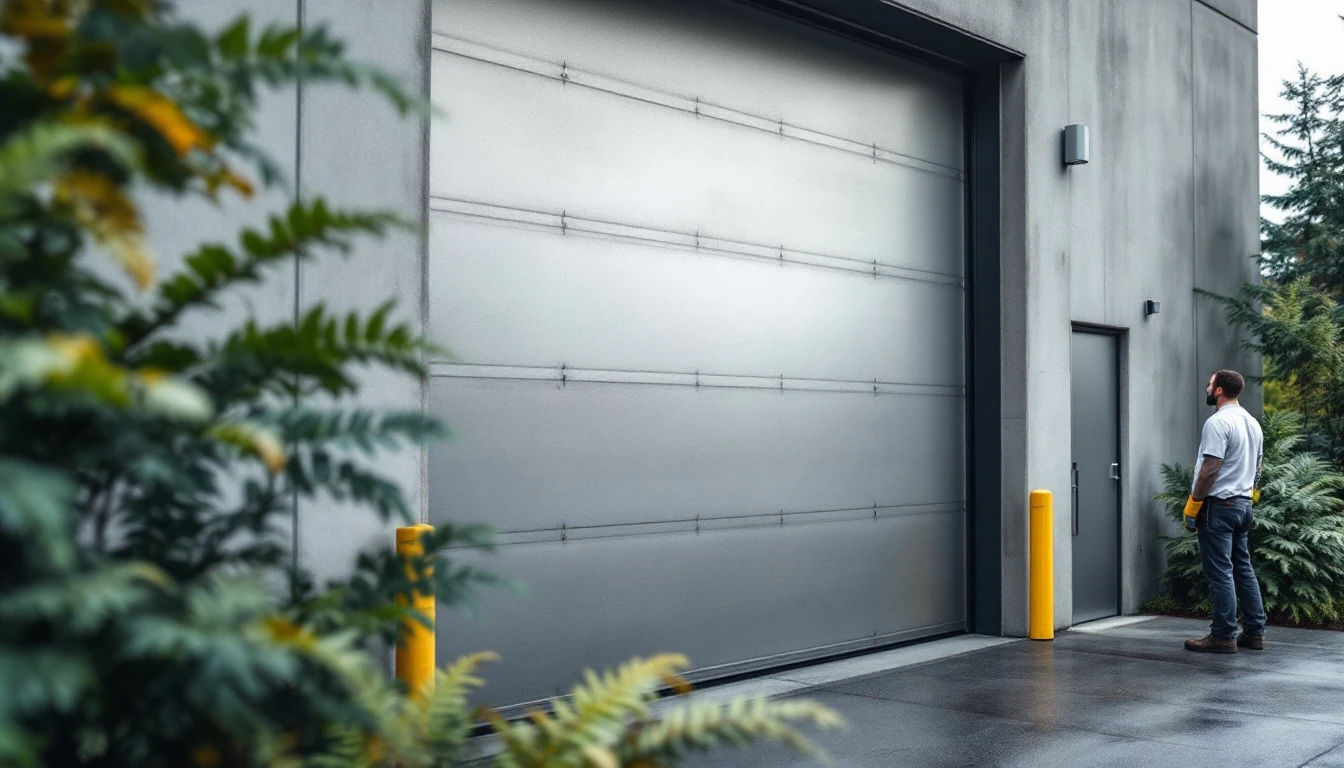
Why Late Summer Inspections Matter for Your Commercial Door Inspection Before Fall
For commercial property managers across the Portland metro area, late summer represents a narrow but critical window of opportunity to conduct a commercial door inspection before fall weather arrives. Pacific Northwest fall weather brings sustained heavy rain and wind—the primary drivers of commercial door failures. These conditions expose every weak point in your door systems, from worn weatherstripping to misaligned tracks and failing hardware.
August and early September offer ideal conditions for discovery. The weather remains stable, giving you time to identify vulnerabilities and schedule repairs without the pressure of an imminent storm. This proactive approach means you’re not scrambling to find available contractors when everyone else is dealing with emergency failures.
Why does timing matter so much? Identifying problems now prevents emergency calls during October and November storms when contractor availability is limited and costs surge. A planned repair in August costs less than an emergency service call in November—and far less than the operational disruption of a failed door during your busiest season. You maintain control over your maintenance budget and avoid the premium pricing that comes with urgent winter repairs.
Think of late summer inspections as your defense against fall weather chaos. You’re not just checking boxes on a maintenance schedule—you’re protecting your operations, your budget, and your peace of mind before the real weather challenges arrive.
Critical Inspection Points for Fall Weather Commercial Door Prep
Walk your property with four failure modes in mind:
- Water intrusion
- Structural misalignment
- Hardware deterioration
- Operator malfunction
Organizing your inspection this way—rather than checking each door individually—helps you spot patterns across your building and prioritize repairs based on risk rather than location.
Water Intrusion and Weatherproofing
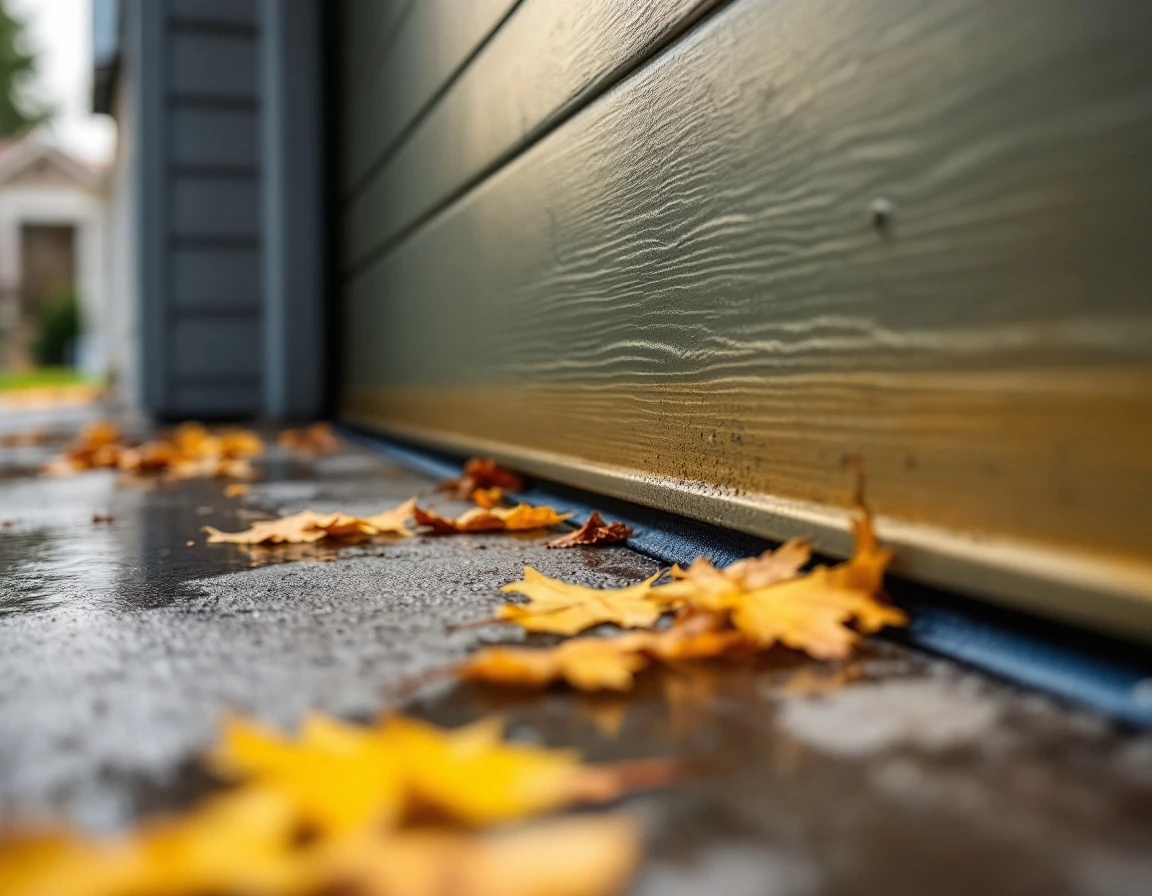
Start at the bottom seal. Kneel down and look for daylight underneath closed doors, cracked rubber, or compression set where the seal no longer springs back when pressed. Run your hand along the perimeter weatherstripping on personnel doors and check for brittle sections that flake when flexed. These failures let water pool inside the threshold during heavy rain, leading to floor damage and ice formation when temperatures drop.
Inspect the head and jamb seals next. Look for gaps where the door meets the frame when closed—a business card should not slide through easily. Check caulk joints around exterior frames for separation or missing sections. Water that breaches the top seal travels down inside the wall cavity, often undetected until interior damage appears.
Structural Alignment and Gaps
Stand back and look at each closed door from a distance. Does it sit square in the opening, or do you see uneven gaps on one side? Open and close the door slowly, watching for binding points or sections that drag. Overhead doors should travel smoothly without hesitating or jerking—uneven movement signals track misalignment or spring imbalance.
Check the door panels or slats for warping, dents, or separation at joints. Wind load during fall storms exploits these weak points, turning minor damage into full panel replacement. Look for rust stains that indicate water is penetrating the door skin and corroding internal reinforcement.
Hardware and Locking Mechanisms
Test every hinge by grasping the door edge and pushing perpendicular to the swing. Loose hinges will show visible movement at the screw holes. Examine hinge pins for rust or wear grooves—these are high-failure points during wind events. Check strike plates and deadbolt alignment by observing how easily the latch engages. If you need to lift or push the door to lock it, the frame has shifted.
Operator and Safety Systems
Activate automatic operators and listen for grinding, squealing, or motor strain. Test photo-eye sensors by breaking the beam during door travel—the door should reverse immediately. Manually release overhead door operators and lift doors by hand to check spring balance. A properly balanced door should stay put when released at waist height. Springs showing rust, gaps between coils, or visible stretching need immediate replacement before storm season adds stress to already-compromised components.
Seal and Weatherproofing Check
In Portland’s wet climate, water intrusion is the most common—and most damaging—commercial door failure mode. Degraded seals allow rain to penetrate your facility, causing concrete damage, inventory loss, and mold growth. Late summer commercial door maintenance offers the perfect inspection window: dry weather lets you spot problems clearly before fall rains arrive.
Start at the bottom seal. Checking along the entire width for cracks, peeling, or visible gaps between the rubber and concrete. Even small openings become waterways during heavy downpours. Next, examine side seals and threshold seals where the door meets the frame—look for compression wear, separation from mounting surfaces, or torn sections that break the continuous barrier.
Test seal flexibility by pressing gently along each section. Healthy weatherstripping feels pliable and springs back. If the material feels brittle, hard, or crumbles under light pressure, it’s failed and water is already entering. Catching these issues now means a moderate repair cost; ignoring them leads to expensive water damage that escalates quickly once October storms hit.
Hardware and Alignment Assessment
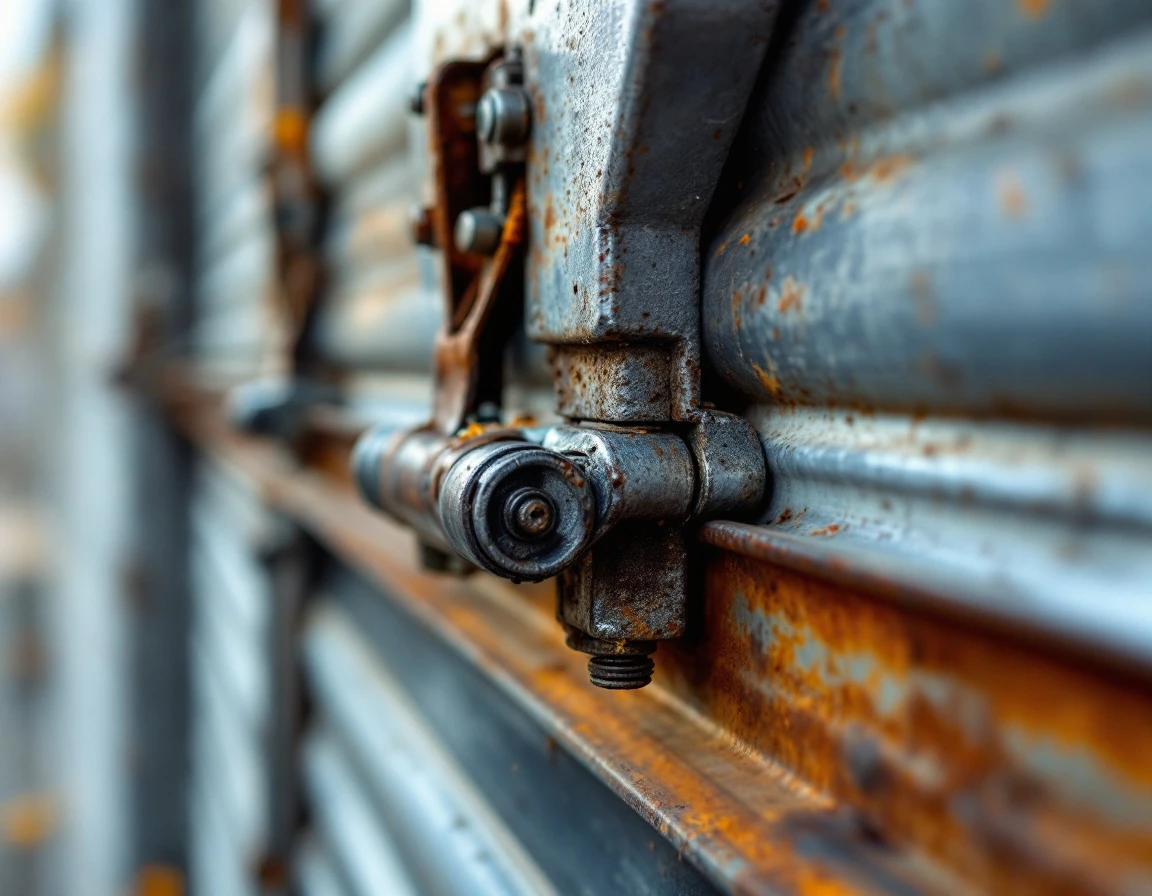
After checking seals, turn your attention to hardware components—the second-most common failure point during Pacific Northwest fall storms. Start by inspecting all hinges, latches, fasteners, and mounting brackets for rust. Any visible rust indicates moisture exposure and signals imminent failure when wind loads increase. Pay special attention to hardware on doors facing prevailing weather directions.
Test each door’s alignment by manually opening and closing it several times. Listen carefully for binding, grinding, or irregular motion—these sounds reveal misalignment that worsens under wind stress. Does the door swing smoothly through its full range? Check the frame for stress cracks near hinges and along the vertical jambs, which develop from repeated wind loading.
Inspect all locksets and panic hardware by operating them completely. The mechanism should engage and disengage smoothly without sticking or requiring excessive force. In multi-door buildings, don’t overlook secondary or rarely-used entrances—these often receive less maintenance attention but face the same weather exposure as primary doors.
When to Call a Professional
Your inspection checklist serves one primary purpose: identifying problems that require expert attention. Property managers should refer structural damage, operator failure, or major seal replacement to licensed commercial door contractors. These aren’t issues you can patch or postpone—they demand professional assessment and repair before fall weather arrives.
What findings trigger a professional call? Rust-bearing hardware that shows active corrosion requires replacement, not just surface treatment. Misaligned frames that cause binding or gaps won’t self-correct and will worsen under wind load. Failed closers that don’t control door speed create safety hazards and code violations. Large-scale seal failure affecting multiple doors signals system-wide deterioration that needs coordinated replacement.
Engaging contractors in August costs less than waiting for emergency repairs. Early professional consultation in August or September prevents system downtime during the October and November peak weather season, when contractors are booked solid with emergency calls and charge premium rates for urgent work. A scheduled repair visit in late summer means you control the timeline and budget.
Garage Harmony serves commercial properties throughout the Portland metro area with expert door system assessment and repair. Have you spotted warning signs during your commercial entry door inspection? Reach out to us today to schedule a consultation before the fall rush begins. Early booking means better availability and planned maintenance instead of crisis response.
Cost Comparison: Early Action vs Emergency Repairs
The financial case for August inspections is simple: proactive seal replacement and hardware repair cost 30–50% less than emergency after-hours repairs during October–November storms. When you schedule maintenance during the off-season, you pay standard rates and avoid the overtime premiums that come with weekend or late-night emergency calls.
But the real cost isn’t just the contractor bill—it’s the operational impact. A single emergency commercial door failure during peak season can halt business operations entirely. Loading docks sit idle. Warehouse inventory gets exposed to rain. Retail storefronts lose access. The combination of lost productivity and emergency repair premiums turns a manageable maintenance expense into a major financial hit.
Early scheduling does more than lock in standard pricing. It gives you access to contractor availability before the fall rush begins. Once heavy rain season arrives, every property manager in Portland is calling for the same repairs, and wait times stretch from days to weeks. By acting in August, you complete all work before weather conditions deteriorate and before competition for qualified contractors peaks.
This isn’t just maintenance—it’s operational insurance against failure during the busiest weather season. Contact Garage Harmony today to schedule your commercial door inspection Portland and lock in late-summer pricing before fall demand begins.

Leave A Comment