

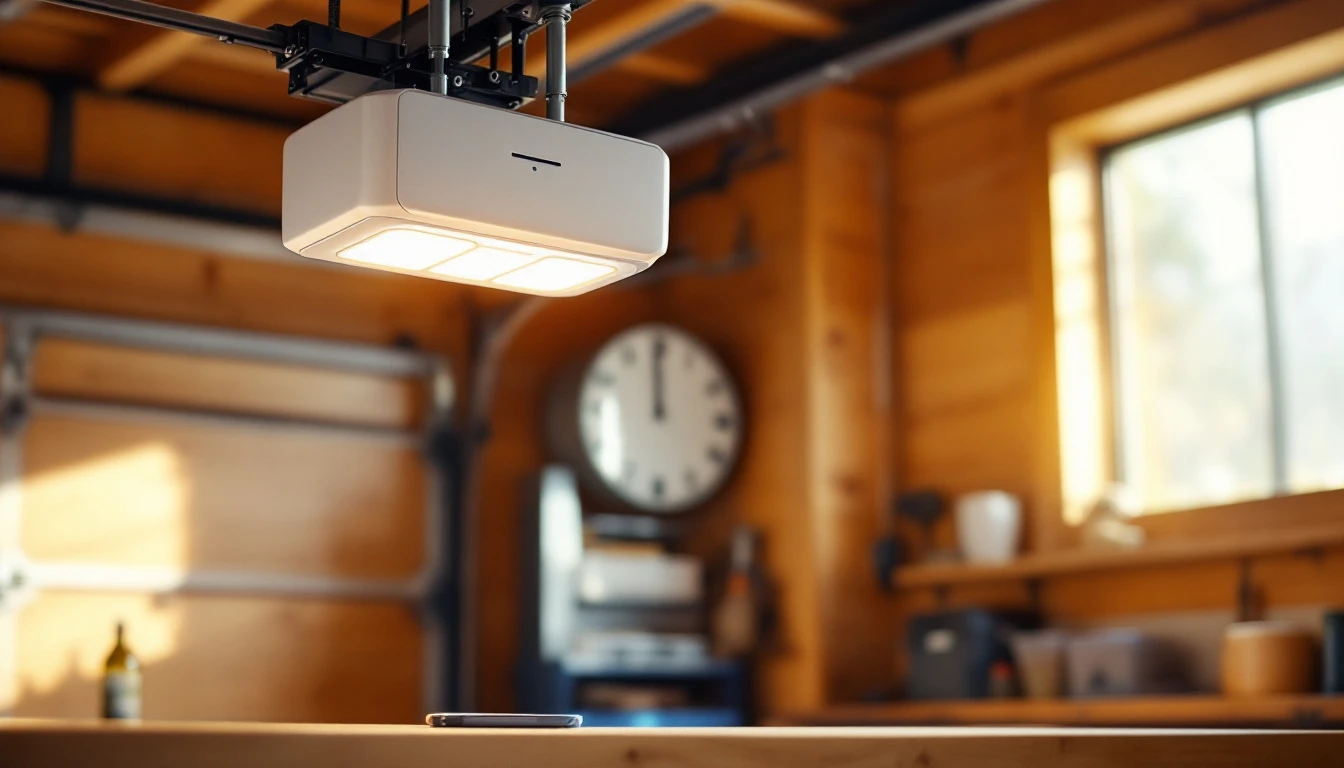
WiFi Connectivity and Daily Convenience
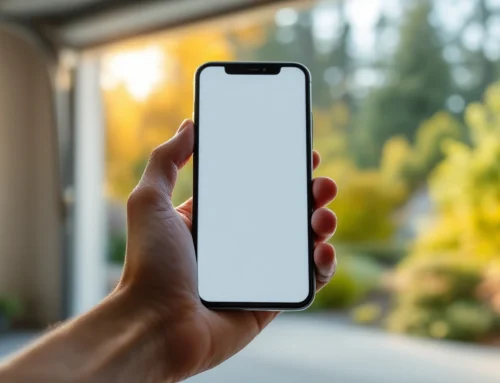
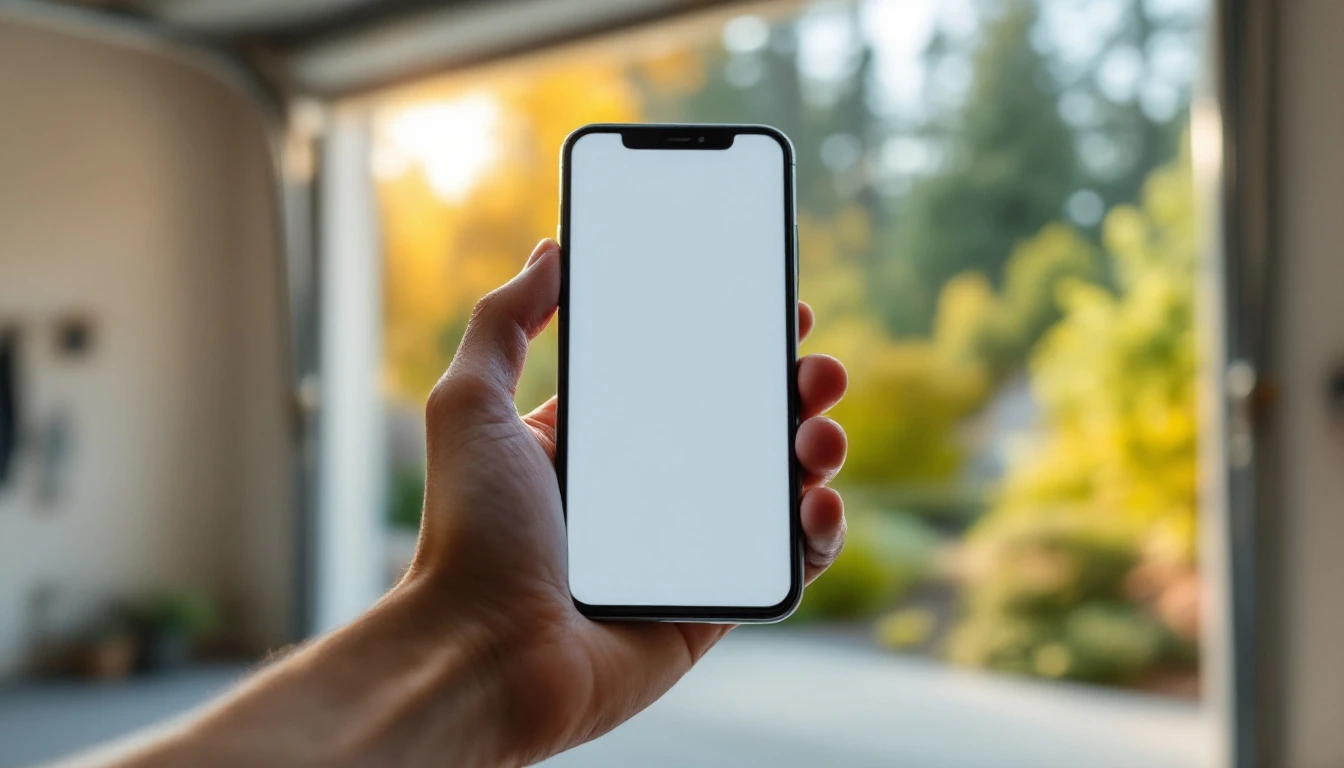
Smart garage door openers with WiFi connectivity transform daily friction into instant smartphone control. Picture arriving home with an armload of groceries, bags in both hands, and kids trailing behind—your phone opens the door before you reach the driveway. No more balancing groceries while digging for a key fob or realizing you left the remote clipped to your other car’s visor.
What makes WiFi connectivity genuinely useful? Real-time push notifications confirm your door status from anywhere with cell signal. Sitting at your desk downtown, you can verify whether the door closed after your morning rush. Service providers need access while you’re at work? Grant temporary entry through your smartphone app without handing out garage codes or physical remotes.
But here’s the catch: convenience only matters when the system works reliably. WiFi openers that drop connection during Portland’s wet fall weather or require constant app troubleshooting create more hassle than they solve. Native compatibility with smart home ecosystems like Apple HomeKit, Google Home, and Alexa lets you build automated routines—lights turn on when the garage opens, thermostats adjust when you arrive home.
This practical daily use case drives the purchase decision more than any technical specification. Installing during summer months gives you time to test app performance and verify reliable operation before fall weather arrives, when you need that hands-free convenience most.
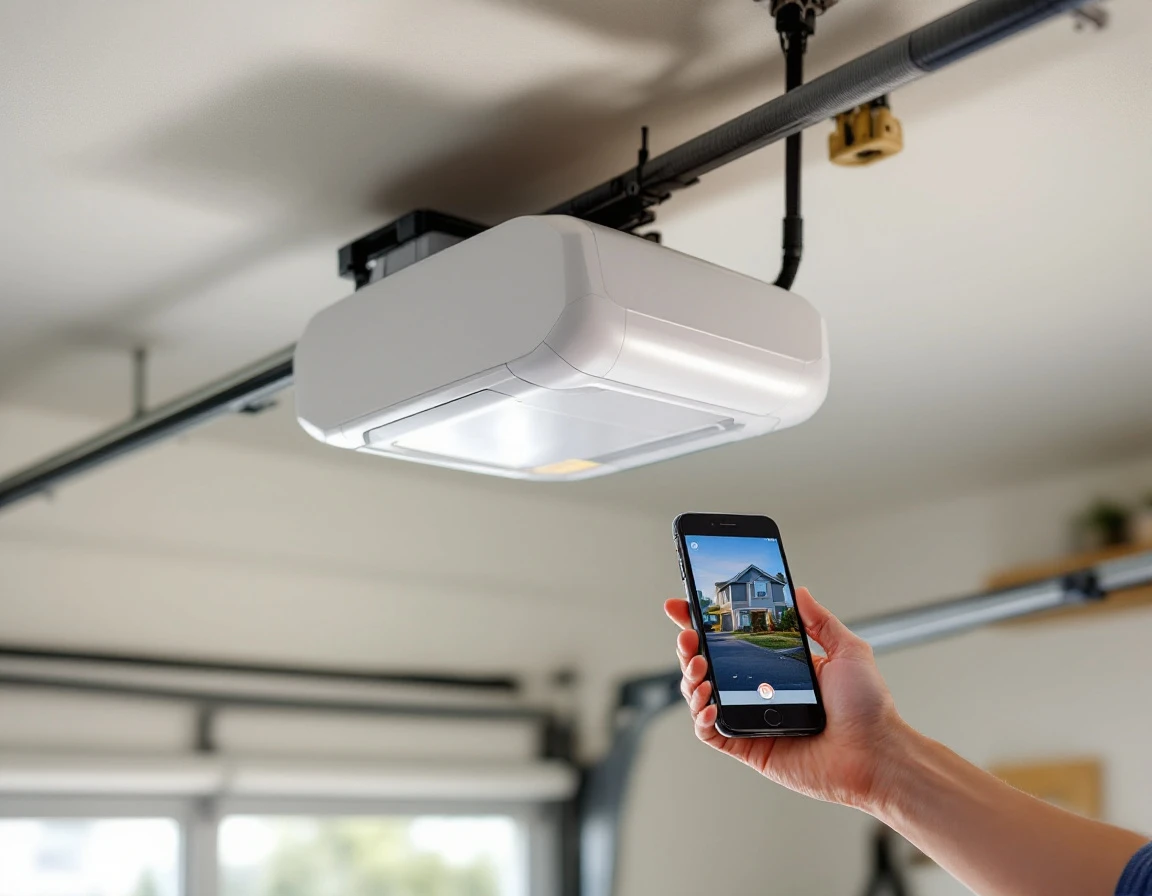
Portland Climate and Weather Resilience
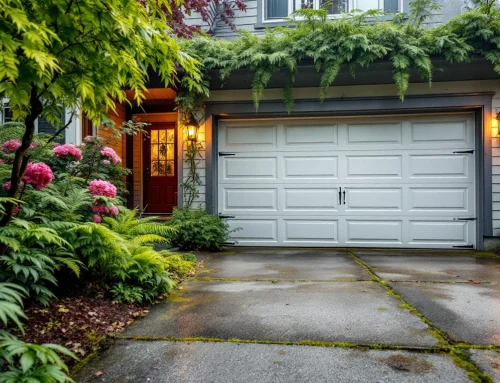
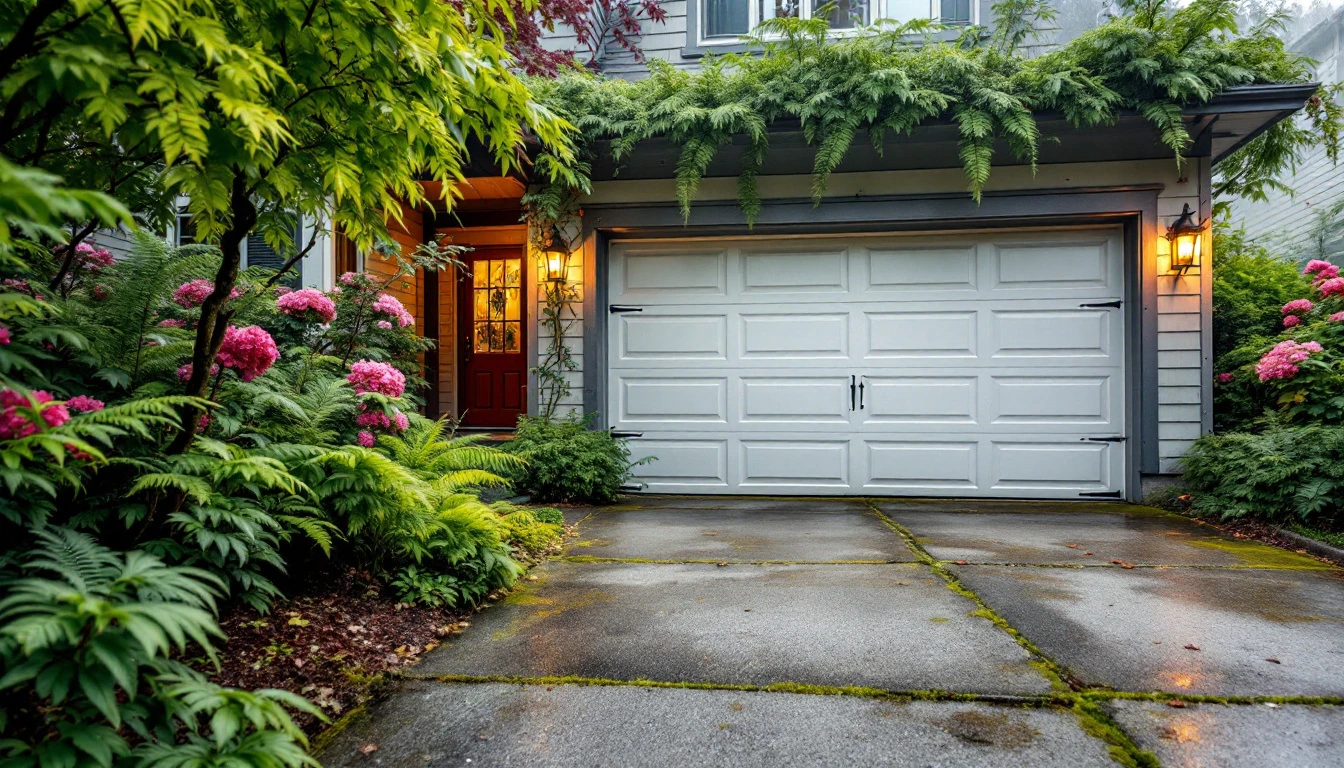
Pacific Northwest weather isn’t kind to electronics left exposed. WiFi-enabled garage door openers face relentless moisture from fall rains and winter downpours, making weatherproofing a non-negotiable requirement for Portland metro homeowners. If you’re installing a smart opener, summer provides the only practical window—June through August offers dry conditions before October storms arrive.
Look for models with IP65 or higher ratings. Which protect circuit boards from coastal humidity and direct rain exposure. Sealed electronics and stainless steel hardware resist the corrosion that plagues lesser units. Rain damage claims spike when homeowners delay installation into late summer, only to have fall weather interrupt the process or expose partially installed systems to moisture.
The timing matters for another reason: extended power outages during winter storms are common here. Battery backup systems and redundant manual controls keep your garage accessible when the grid fails. Installing during summer means contractors can properly seal all weatherproofing points and test backup systems before storm season arrives. January downpours and holiday schedules make fall and winter installations more complicated, risking rushed work that compromises long-term reliability in our damp climate.
Native Ecosystem Compatibility
WiFi smartphone control doesn’t mean the same thing across all devices. If your household runs on iPhones, you’ll need a HomeKit-certified opener to unlock native Siri commands and offline operation when your Apple TV or HomePod acts as a home hub. That certification matters—it lets you open the garage even when internet goes down, a common scenario during Pacific Northwest storms.
Android users get better results with openers that integrate directly with Google Home and Alexa. These platforms skip proprietary apps and connect through voice assistants you already use daily. Mixed-device households face the toughest choice: dual-platform models cost more upfront but eliminate friction when one partner uses iPhone and the other Android.
Proprietary-only apps create long-term dependency. Change phones or switch ecosystems, and you’re stuck with an opener that no longer fits your daily routine.
Before you commit to summer installation, audit your household setup. Count how many iPhones versus Android devices your family uses every day, then match opener compatibility accordingly.
Security Features and Insurance Alignment
WiFi-enabled smart garage door opener devices deliver measurable home security benefits that many insurance carriers now recognize with premium discounts. Remote access logs and activity notifications create a digital audit trail that satisfies requirements for smart home security upgrades. While real-time alerts detect unauthorized door operation and provide documented evidence for potential insurance claims.
Does your current garage door system notify you when contractors arrive, or when someone opens the door while you’re away? Smartphone control lets you grant secure temporary access to delivery services and maintenance workers without distributing physical keys, reducing liability while maintaining oversight. Geofencing capabilities add another layer by automatically closing the door when you leave the property.
Portland-area insurers and national carriers increasingly offer discounts for qualifying smart security devices, with savings that accumulate year after year. Over time, this discount helps recover your smart opener investment, making the upgrade financially practical beyond convenience alone.
Installation Timing and Home Wiring Prep
Want to avoid scheduling headaches and rushed installations? Target a four-week timeline starting in early July. Book your contractor assessment by the first week of July, before mid-month when summer demand peaks and calendars fill. This gives you two weeks to address any electrical prep work and still complete installation by mid-August, well before September’s contractor scheduling conflicts begin.
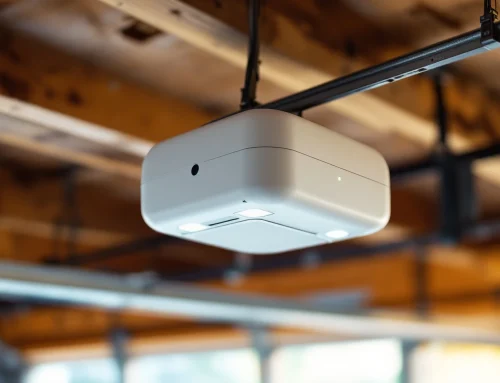
WiFi-enabled garage door openers require a dedicated power outlet within six to ten feet of the motor unit. Many Portland homes built before 2010 lack convenient outlets in garage ceilings or near existing door hardware. If your garage falls into this category, budget time now for an electrician to install proper power access before your opener arrives.
Before scheduling installation, run through this quick checklist:
- Measure the distance from your existing opener location to the nearest outlet
- Test WiFi signal strength in your garage using your smartphone
- Verify your current door operates smoothly without binding or unusual noise
- Confirm your chosen smart opener model works with your existing springs, tracks, and safety sensors
Modern WiFi models integrate with standard garage door infrastructure without requiring complete system replacement. But compatibility matters for a smooth installation experience.
Choosing a Reliable Model for Pacific Northwest
When selecting the best smart garage door openers for Portland’s climate, narrow your search to models with proven weather resistance and stable app performance. The LiftMaster 8500W and Genie Quiet Max both offer HomeKit compatibility and weather-sealed enclosures that withstand moisture exposure, making them solid choices for Oregon and Washington homes.
Don’t just skim feature lists—dig into app stability reviews from Pacific Northwest users on Amazon and Best Buy. Search specifically for Portland, Seattle, or Oregon reviews that mention WiFi reconnection issues, app crashes during storms, or long-term performance. Real user reports reveal problems that marketing brochures hide.
Verify that any model includes backup battery power. Adequate battery life during multi-hour outages, and a manual override function—these features become critical during frequent winter storms. Check warranty terms carefully for coverage of moisture and corrosion damage specific to our wet climate.
Expect to spend $300–$600 for quality smart units versus $150–$250 for basic openers. Remember that insurance premium offsets can help recover this investment over time. Making the upfront cost more manageable.



Leave A Comment