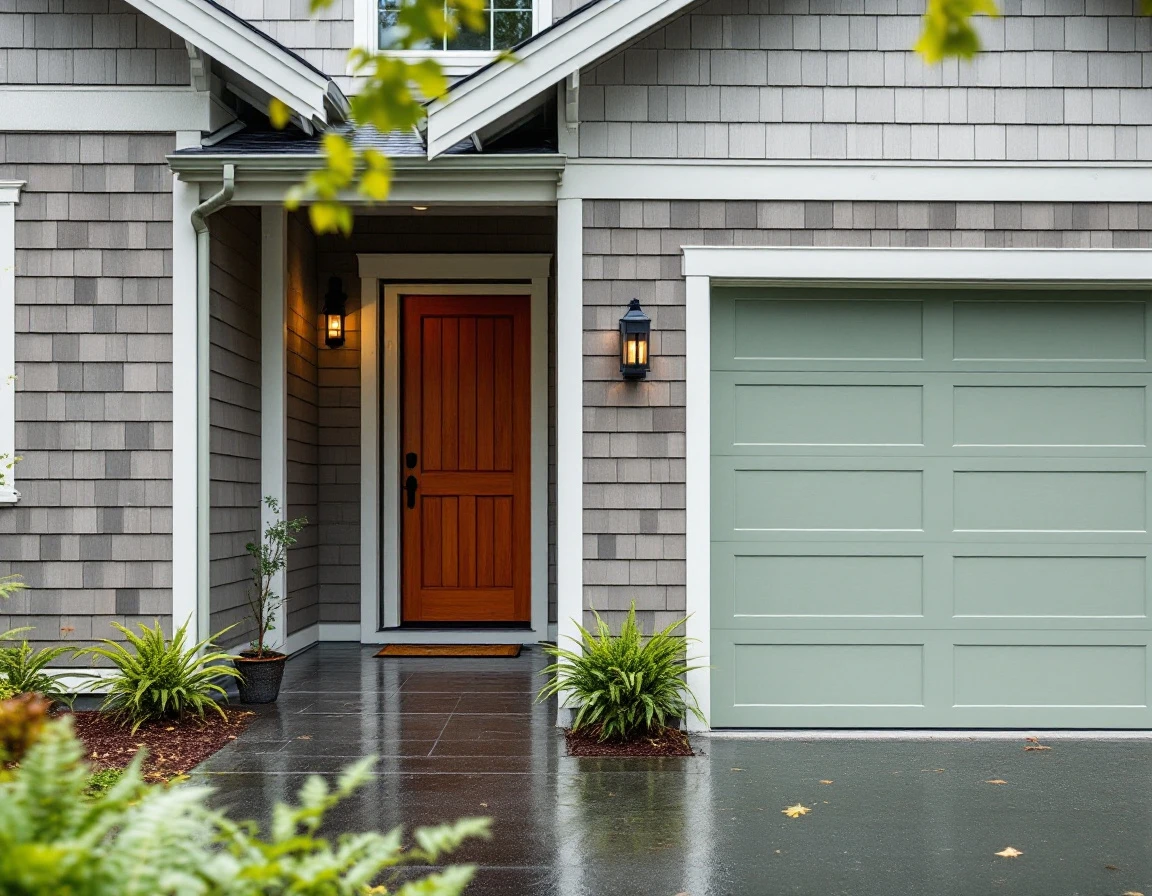
Pacific Northwest Climate Materials
Portland’s wet winters and dry summers demand specific material choices for exterior home projects. This spring home improvement guide helps you understand how moisture, temperature swings, and UV exposure affect different materials so you can select options that last.
Moisture Resistance Is Critical in Portland’s Wet Climate
Portland’s annual rainfall of over 36 inches creates unique challenges for exterior materials.
Moisture resistance separates materials that last decades from those requiring replacement within years.
Wood siding without proper sealing warps and rots, while composite decking maintains its integrity through countless rainy seasons.
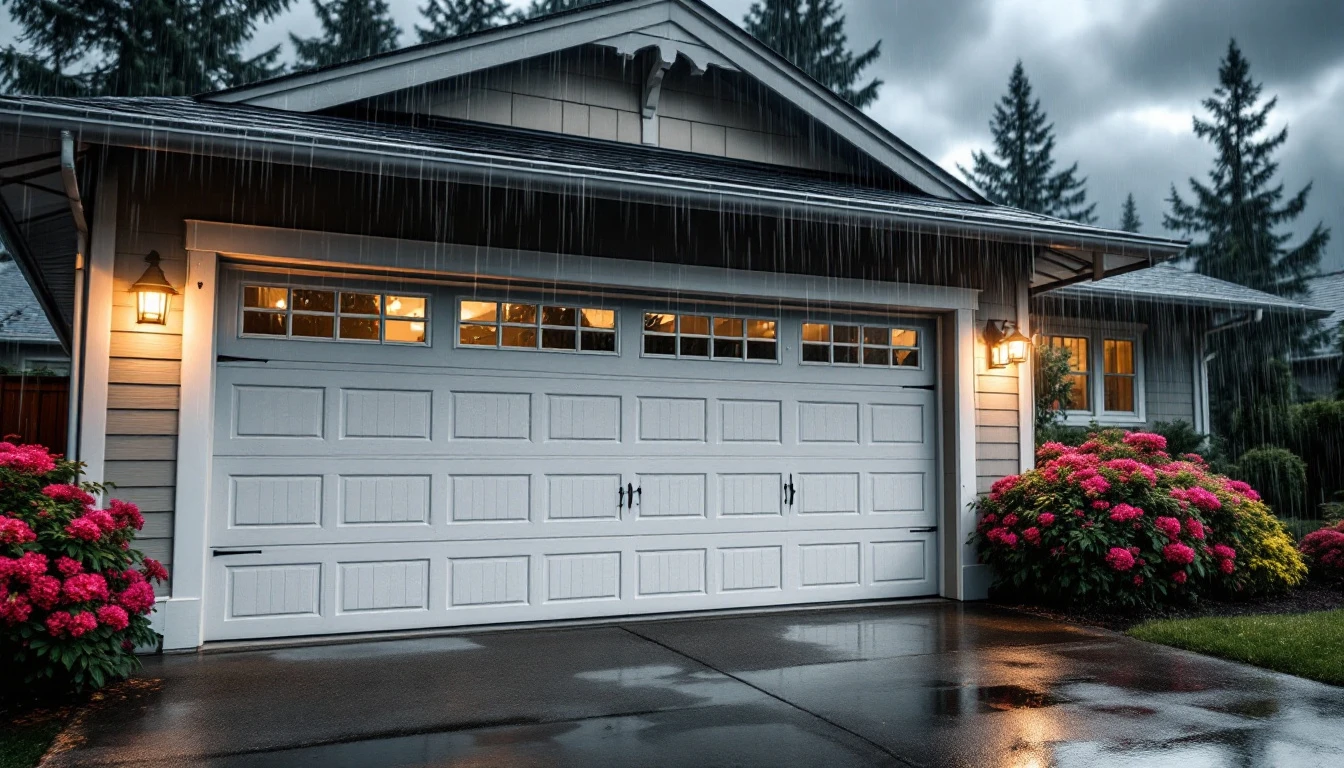
Material durability directly impacts spring project ROI. Fiber cement siding costs more upfront than vinyl but resists moisture damage that plagues lesser materials in our wet climate. Similarly, metal garage doors with weather-stripping and rust-resistant coatings outperform basic steel models when exposed to Portland’s extended wet periods from October through May.
Regional performance data differs from national
National product ratings don’t always reflect how materials perform in Portland’s unique climate. What earns five-star reviews in Arizona might struggle with our persistent moisture, while products dismissed in humid Southeast climates often excel here. This disconnect matters because manufacturer warranties and performance claims typically reference national test conditions, not our specific wet-dry seasonal swings.
Timing your projects around Portland’s weather patterns matters just as much as choosing the right spring home improvement materials. May through early July offers the most reliable application window for exterior products that require specific temperature and humidity ranges during installation and curing. Rain arrives by mid-October, cutting short projects that need extended dry periods. Planning your spring improvements around these seasonal constraints prevents costly do-overs and means materials cure properly for long-term performance.
May Weather Window Project Timing
Why does May stand out as the prime execution window for Portland metro home improvement projects? The answer lies in a perfect convergence of weather conditions that won’t return until next spring. Daytime temperatures settle consistently between 60-70°F—the sweet spot where adhesives bond properly, sealants cure completely, and paints dry without blushing or cracking.
Humidity levels during May strike an ideal balance, preventing the moisture intrusion that can ruin fresh installations while still allowing materials to cure at their designed rates. Rainfall drops below the March-April peaks, giving you more consecutive dry days to complete exterior work. By June, contractor schedules fill up fast—securing availability becomes a challenge as homeowners scramble to book projects they should have started in May.
Here’s your priority list for May execution, ranked by weather suitability:
- Exterior paint projects (need consistent temps for proper adhesion)
- Door and window sealing (requires dry conditions for caulk curing)
- Deck finishing (moisture content must be right for stain penetration)
- Garage weatherproofing (combines multiple materials that all benefit from May’s stable conditions)
Starting in May gives you 4-6 weeks of ideal project conditions before summer heat arrives, potentially damaging temperature-sensitive materials during application.
Portland Design Styles & Resale Value
Does your garage door upgrade match your neighborhood’s architectural character? In Portland metro neighborhoods, design choices directly impact resale value because buyers pay premiums for homes that align with established architectural styles. Research on regional housing markets shows that spring home improvement ideas matching neighborhood style standards outperform mismatched renovations when homes return to market.
Portland’s diverse neighborhoods favor distinct design approaches:
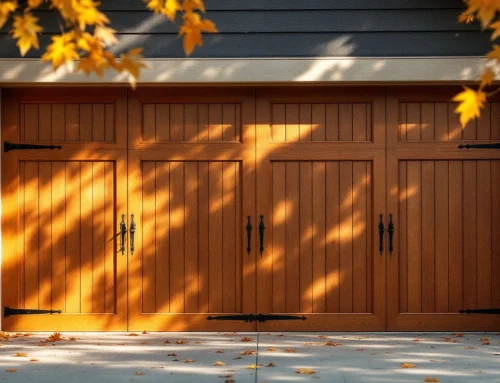
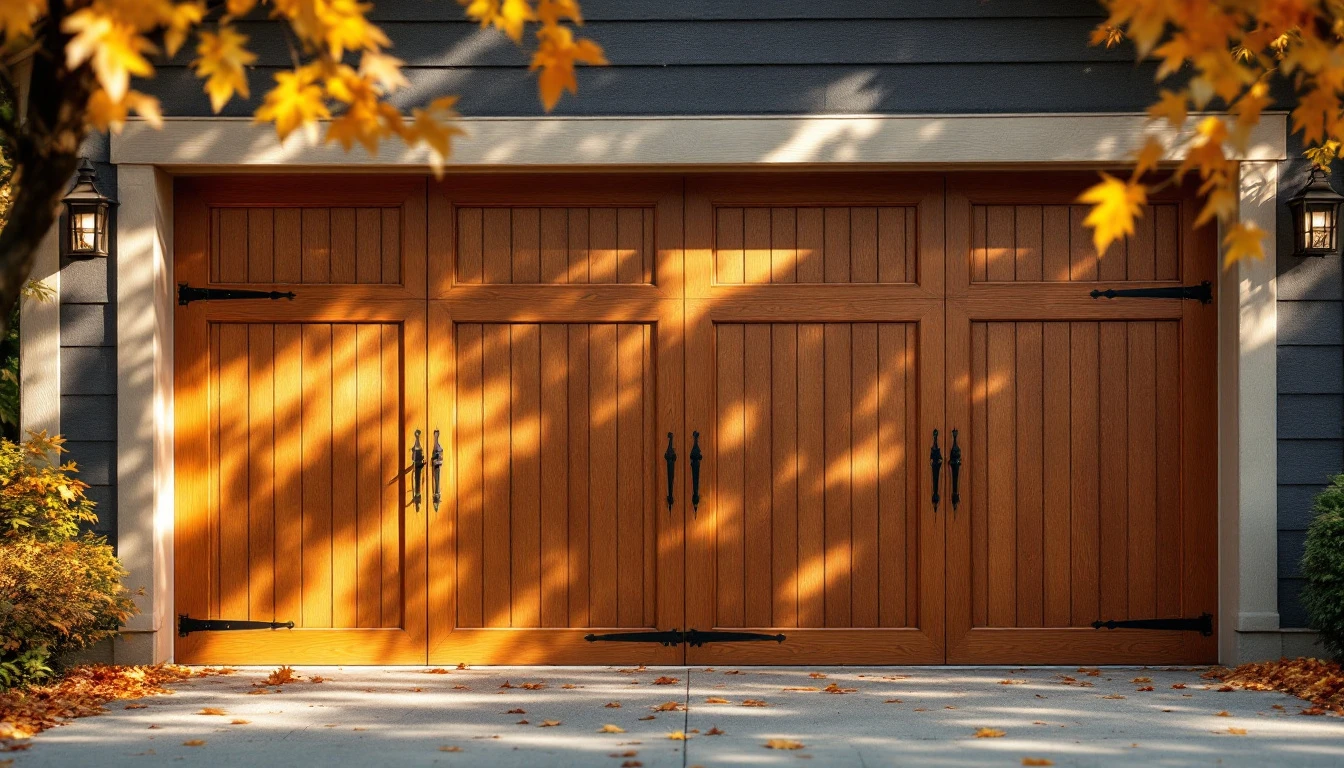
- Craftsman-style garage doors with characteristic wood grain textures and divided windows resonate with buyers in Hawthorne, Eastmoreland, and Irvington, where heritage bungalows define the streetscape
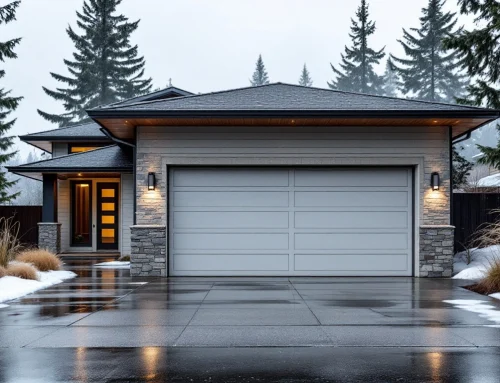
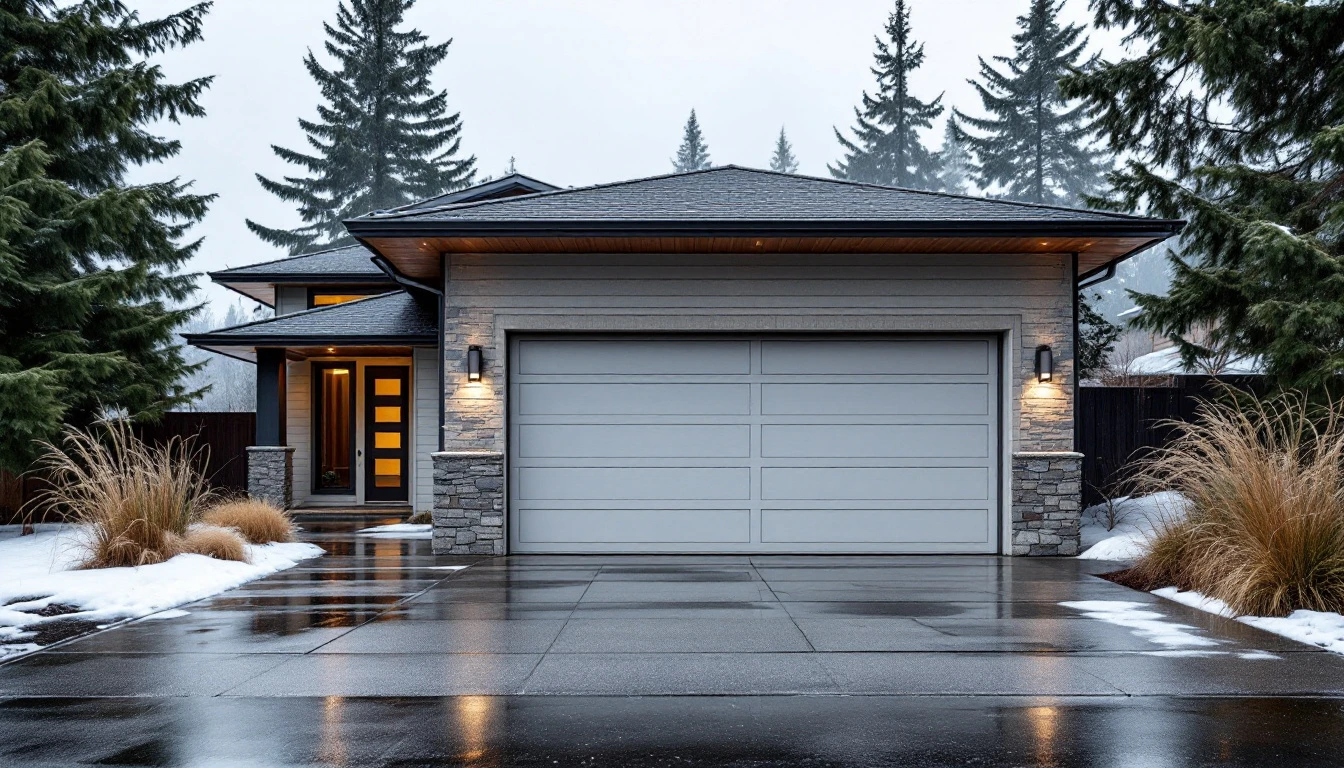
- Contemporary designs featuring clean lines and steel-glass composites attract Pearl District and tech-corridor buyers seeking modern aesthetics
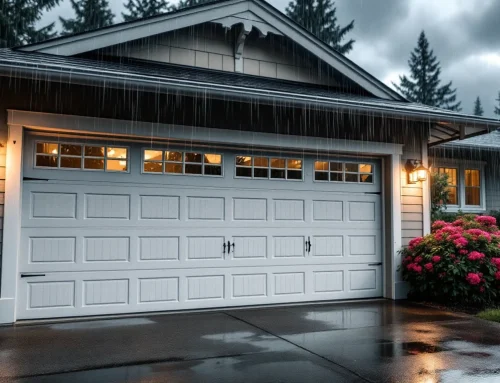
- Transitional styles work well in suburban areas like Beaverton and Happy Valley, where mixed housing eras create flexible design expectations
Consider a Craftsman-style garage door upgrade in a heritage neighborhood: pairing authentic wood detailing with modern composite materials delivers period-appropriate appearance with moisture resistance Portland’s climate demands. Alternatively, a modern composite exterior refresh in Happy Valley’s newer construction areas complements contemporary home designs while providing long-term durability. When you align design choices with neighborhood standards and pair styles with durable materials, you prevent costly mid-lifecycle replacements that occur when moisture compromises aesthetically mismatched installations.
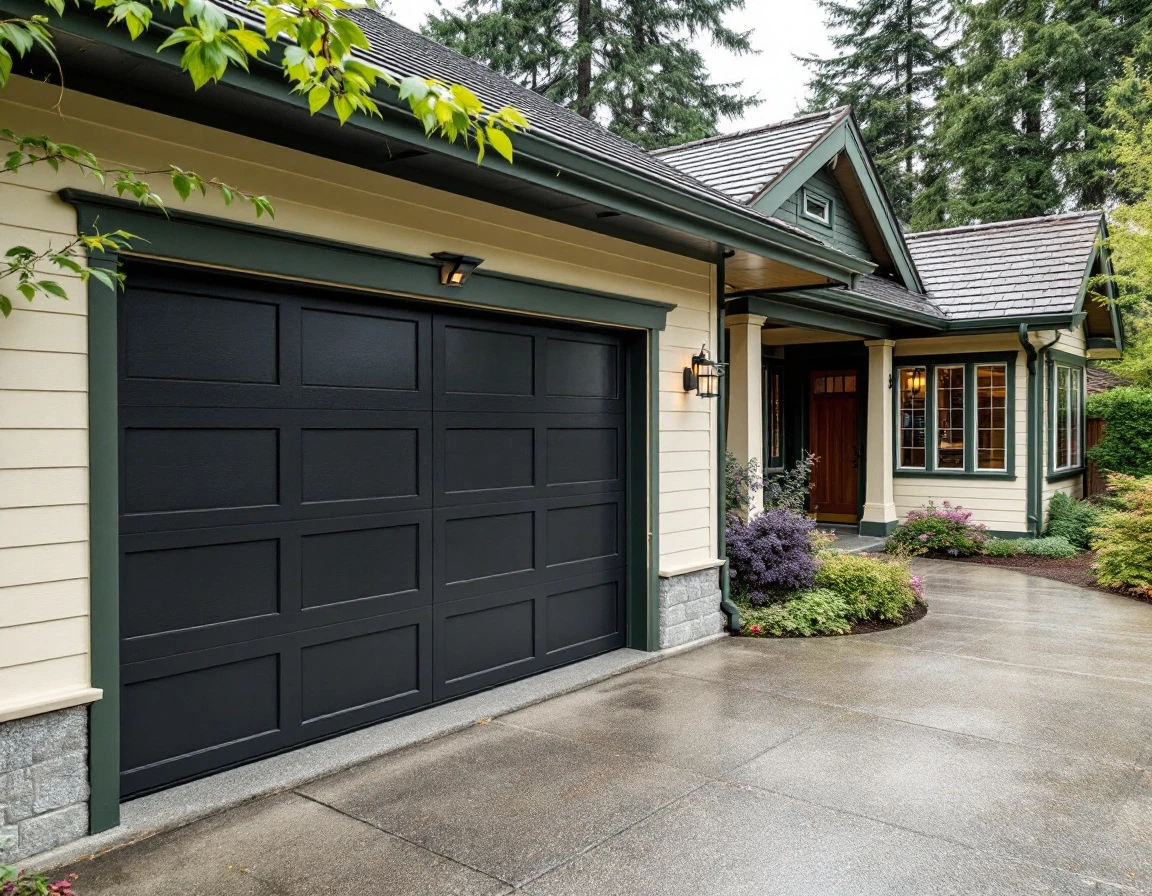
Spring Home Improvement Planning Guide
When you’re planning multiple spring improvements, the order matters as much as the projects themselves. Portland homeowners should rank their May projects based on weather sensitivity, contractor availability, and return on investment rather than personal preference alone.
Tier 1 projects belong at the top of your May list because they depend on dry conditions and proper cure time.
Weatherproofing, exterior sealing, deck finishing, and garage door or window replacement all require extended dry periods for materials to bond correctly and achieve their rated performance. Start these projects in early May to capture the region’s most reliable weather window before June’s unpredictable patterns arrive.
Consider a West Linn homeowner who began deck weatherproofing in early May versus late June. The May start allowed three consecutive dry days for sealant application and cure, while the June timeline faced two weather delays that extended the project into July and compromised the finish quality. That timing difference protected the deck investment and avoided water penetration during the following rainy season.
Tier 2 projects like painting, siding repair, and exterior aesthetic upgrades remain important but tolerate slight weather variations better. These can extend into June without material performance penalties. Tier 3 projects—interior improvements and non-structural updates—offer complete scheduling flexibility since they don’t depend on outdoor conditions.
Budget allocation should prioritize Tier 1 projects that prevent costly water damage and maximize material performance through proper May timing. These foundational investments deserve primary consideration in your spring budget planning.
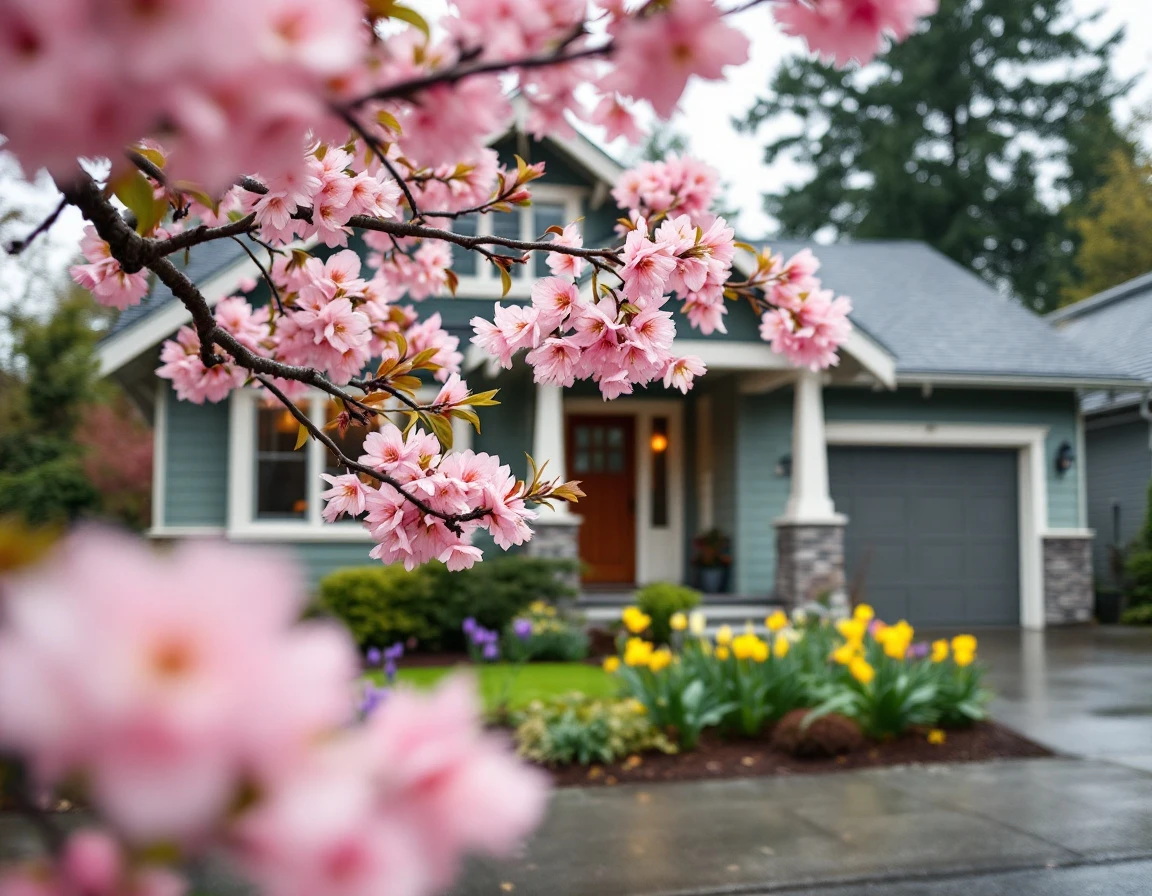
Material Durability & Long-Term ROI
Spring renovation material choices made in May determine if you’ll still be repainting in three years or enjoying maintenance-free weekends a decade from now. Portland’s moisture-heavy climate creates a misleading cost comparison: standard wood exterior trim demands lower initial investment but requires repainting every 3-4 years and replacement within 10 years. Fiber cement alternatives require a steeper upfront commitment but last 20+ years with minimal maintenance, ultimately delivering better long-term value.
Consider three common spring projects over a 10-year ownership cycle:
- Exterior paint and trim. Standard wood trim with three repaint cycles totals $8,200 including labor, while fiber cement with one repaint costs $6,800
- Deck finishing. Pressure-treated lumber requiring annual sealing and one board replacement reaches $5,400, compared to composite decking at $4,200 with zero maintenance
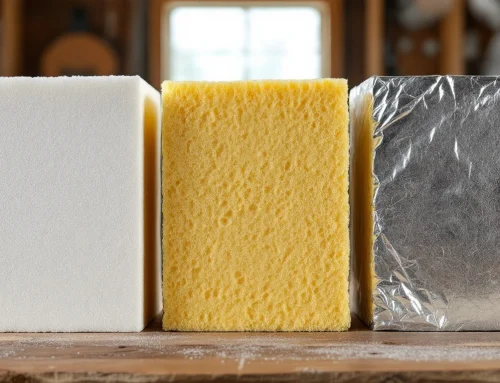
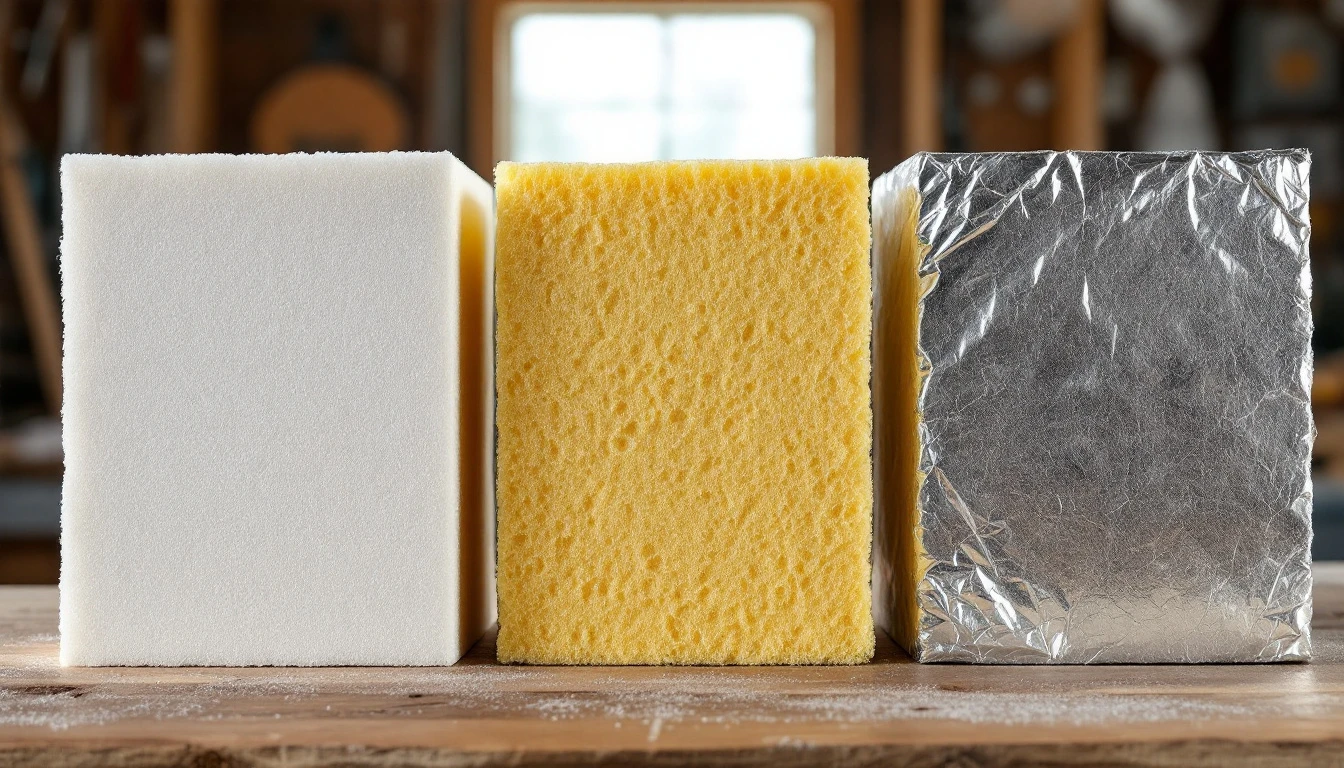
- Garage weatherproofing. Standard insulation and seals needing replacement every five years cost $1,800 versus rated materials at $1,400 over the same period
Higher-durability material choices add 4-8% to your May project costs but recover that premium through eliminated maintenance cycles and stronger resale value. Portland buyers recognize weather-appropriate materials—inspectors specifically check for rated products in moisture-exposed applications. Garage door material comparisons show similar patterns: steel doors with weather-resistant coatings outlast unprotected options by years.
Selecting durable materials during May projects means these improvements maintain value through your next ownership cycle, whether you sell in five years or fifteen.
Next Steps: May Action Plan
Ready to execute your spring home improvement guide plan? Here’s your week-by-week roadmap for May that turns material knowledge into project reality.
Week 1 (May 1-7): Finalize your material selections and design style choices based on the climate-appropriate options covered earlier. Schedule consultations with 2-3 contractors to compare approaches and pricing. Portland-area homeowners can find vetted professionals through our regional service pages for Portland, Gresham, Beaverton. And surrounding communities.
Week 2 (May 8-14): Order long-lead materials like special finishes, custom garage door sizes, or composite decking before mid-May. These items often require 2-4 weeks for delivery. Schedule site assessments with your chosen contractor to identify prep work needs.
Week 3-4 (May 15-31): Finalize contracts, confirm project start dates, and prepare site access. Clear workspace areas and protect existing landscaping.
Why does this timeline matter? Waiting beyond mid-May delays material delivery and pushes project starts into June when contractor availability drops and summer heat compromises application conditions. Contact us today to schedule your consultation and capture Portland’s best weather window while securing professional capacity for moisture-resistant installations that protect your investment.