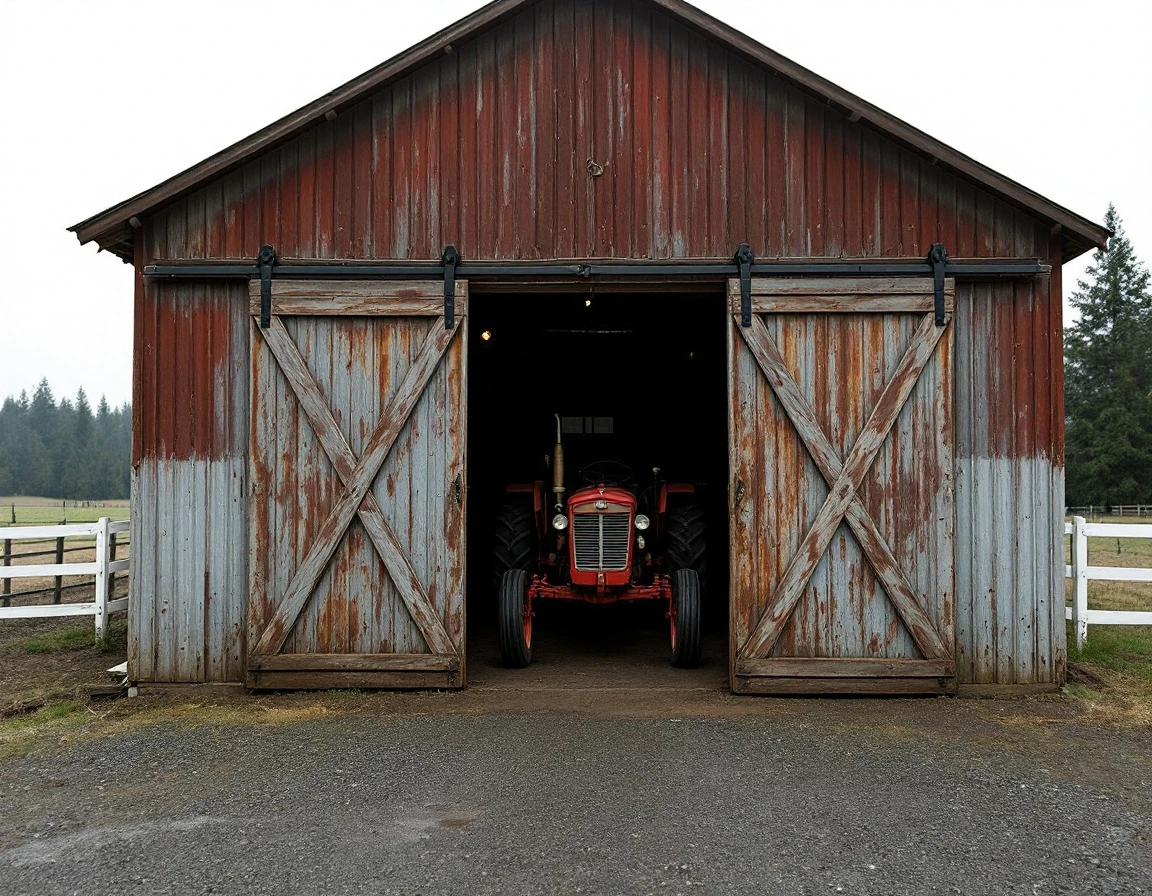
Agricultural Garage Stress: Why Molalla Garage Doors Matter
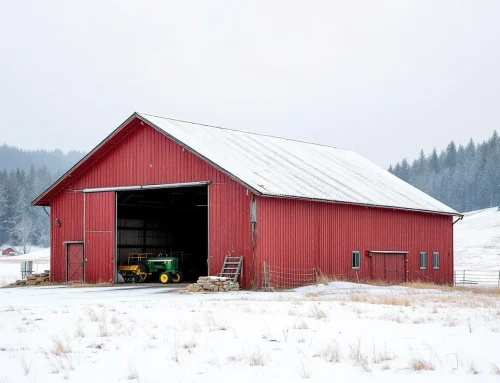
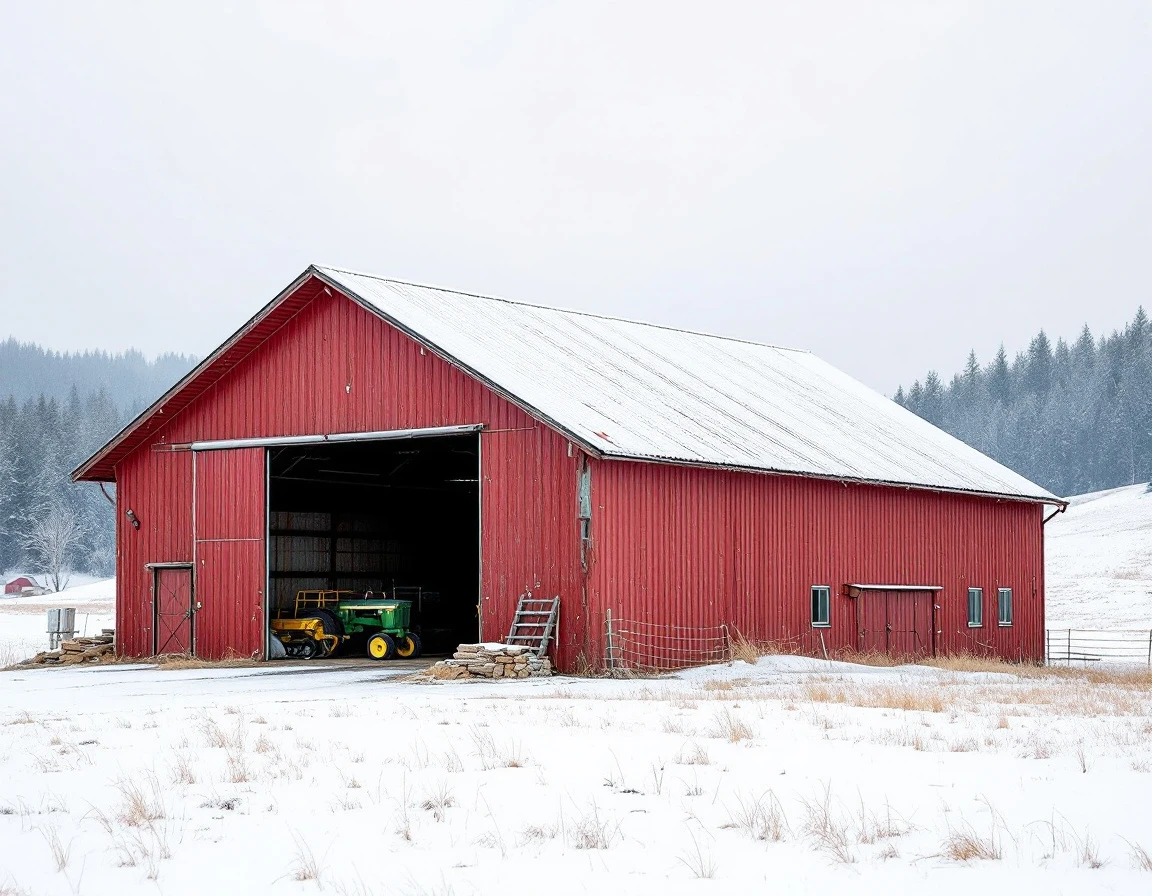
Molalla garage doors on agricultural properties create demands that standard residential installations never experience. Working farms and ranches cycle their workshop garage doors three to five times more frequently than typical suburban homes—opening for early morning equipment checks, midday field work transitions, and evening maintenance sessions. That intensity compounds when you factor in the weight.
A tractor, ATV, or loaded utility trailer strains springs and openers far beyond what they’d encounter with passenger vehicles. Add rural Oregon’s persistent moisture—morning fog settling into the Molalla River valley, rain-soaked equipment tracking water inside, and humidity seeping through weatherstripping—and you’ve created the perfect storm for mechanical failure. Corrosion attacks springs from multiple angles while seals degrade faster than manufacturers anticipate.
These stressors don’t spread evenly across the calendar. Peak farming season brings the heaviest use, which means failures strike precisely when you can’t afford downtime.
A broken torsion spring during spring planting or fall harvest doesn’t just mean calling for emergency repairs at premium rates that quickly compound your losses. It means equipment sits idle, schedules slip, and profitable work windows close.
For hobby farms and ranches operating on tight margins, a single mid-season breakdown can erase weeks of careful planning.
Farm Garage Door Spring Replacement: Timing & Load Capacity
Agricultural garage doors require heavy-duty torsion springs rated for 10,000–15,000 cycle lifespans, but in high-use farm garage door environments around Molalla, these springs typically fail between 5–7 years rather than the 7–12 years you’d see in residential settings. When you’re opening and closing your workshop garage multiple times daily to access tractors, hay equipment, and tools, those cycles add up fast.
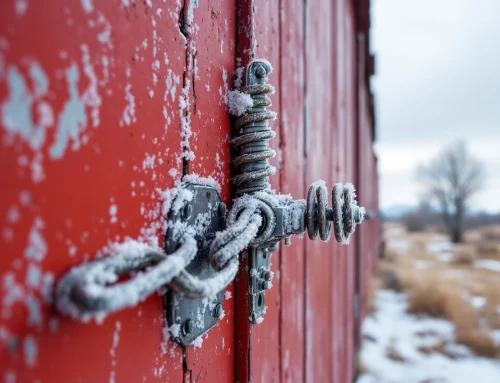
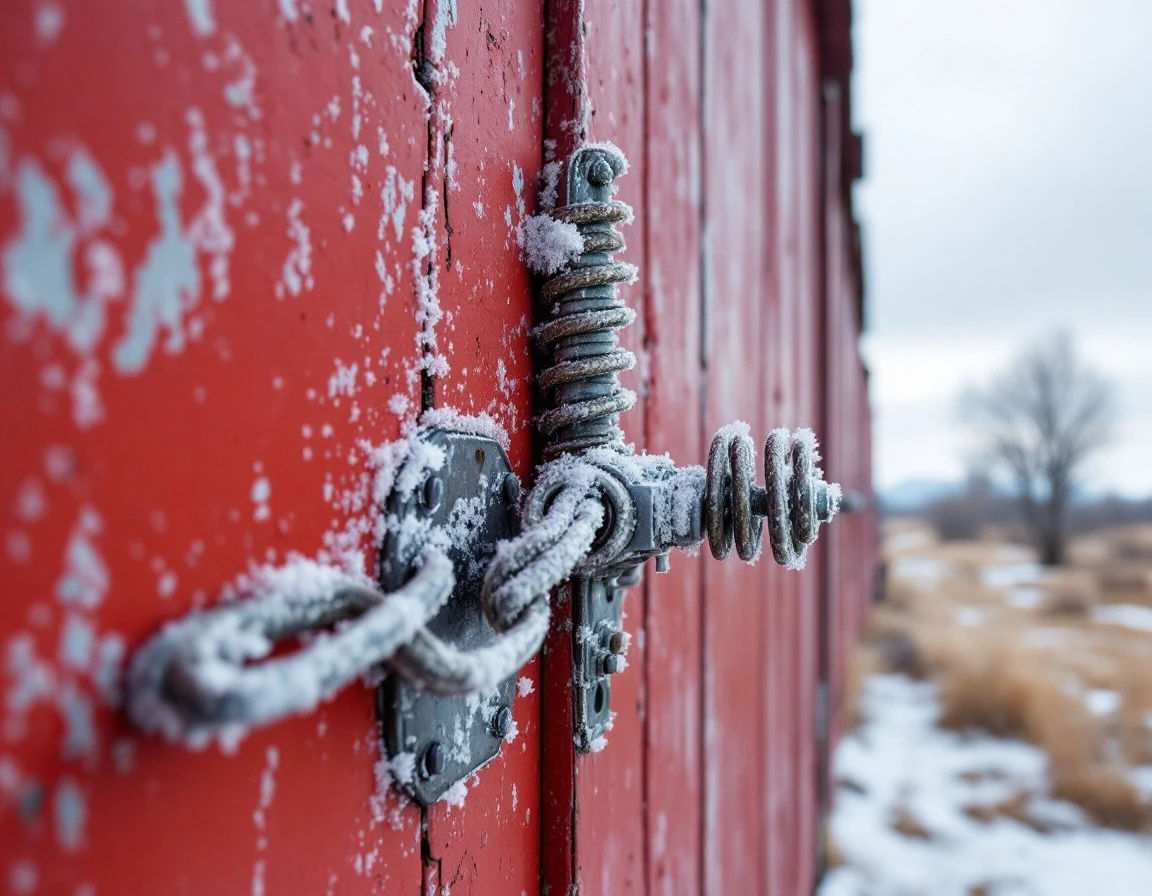
How do you know when your springs are nearing the end? Watch for slower opening speeds. Uneven door movement where one side rises faster than the other, and audible groaning or creaking noises during operation. Molalla’s wet springs and freeze-thaw cycles create a perfect storm for spring degradation: moisture penetrates the coils, rust weakens the metal from the inside out, and repeated temperature swings crack already-stressed springs.
Load capacity matters more than most property owners realize. Your spring rating must match the actual weight of your door plus any installed equipment like insulation panels or reinforced sections. An undersized spring creates both premature failure and serious safety risks. To calculate the correct rating, weigh your door (most agricultural doors run 300–500 pounds), then select springs rated for 25–30 pounds above that weight to account for equipment and seasonal variations.
You can safely inspect springs yourself by checking for visible rust, gaps between coils, or stretched sections, but never attempt replacement. Torsion springs store enough force to cause severe injury or death. Contact us today for professional spring inspection and replacement. Ideally before summer when you’ll rely on your garage most heavily during harvest season.
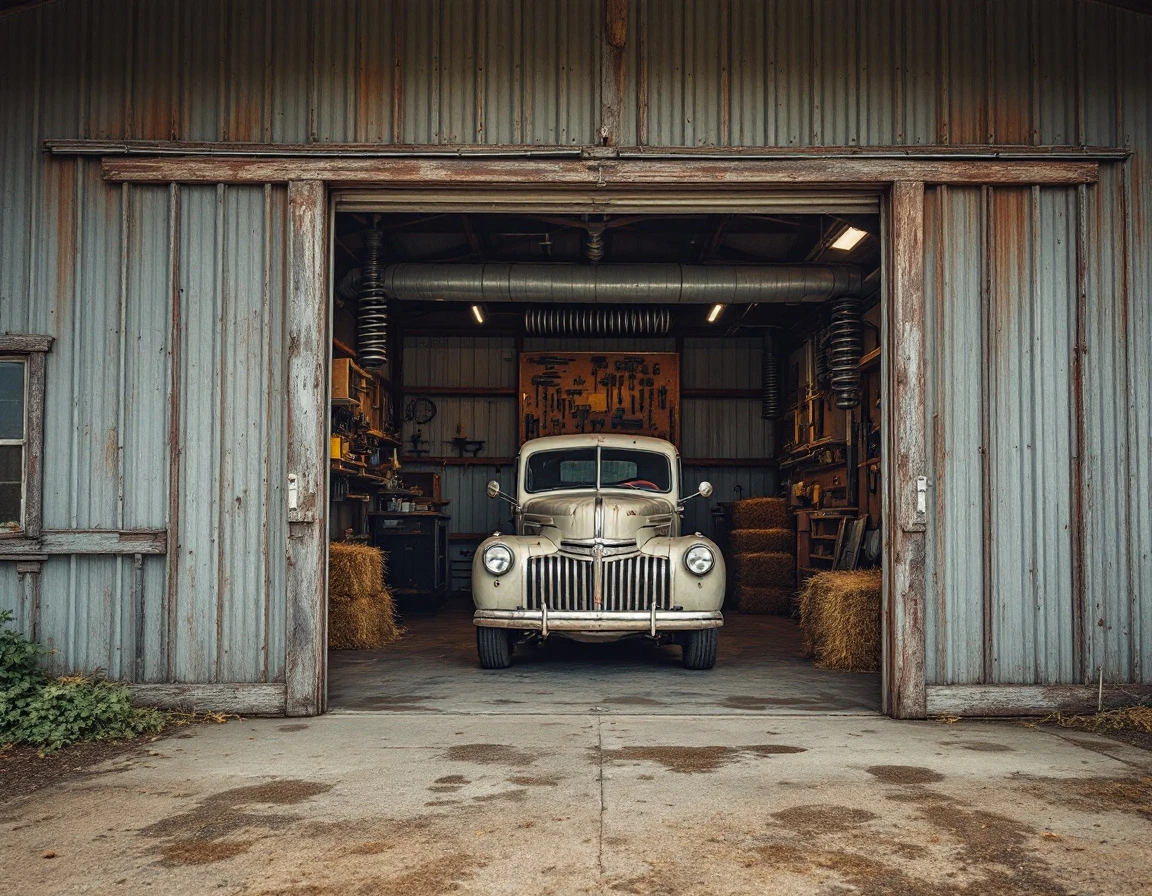
Sizing Openers for Heavy Equipment Loads
Agricultural garages in Molalla need 1/2 HP minimum. With 3/4 HP or 1 HP openers recommended for doors opening eight or more times daily or storing tractors and heavy machinery. Standard residential openers (1/4–1/3 HP) burn out quickly under farm conditions. To size correctly, count your daily door cycles during peak-use periods like planting or harvest, estimate the combined weight of your heaviest equipment accessing the garage, and match these factors to climate-rated specifications.
Chain-drive openers prove superior in farm garages despite their noise. They tolerate vibration from equipment movement better than belt-drive systems in workshop environments where tractors and implements create constant ground tremors. Molalla’s temperature swings—from winter lows to summer heat—require openers rated for -10°F to 110°F operation to prevent motor failures during temperature extremes.
Consider backup power systems or manual operation capabilities for outages during critical work periods when losing garage access could delay time-sensitive field operations.
Weatherproofing for Rural Moisture & Corrosion
Molalla’s agricultural properties face moisture challenges urban garages never encounter. Fields surrounding workshop buildings create constant humidity exposure, while seasonal rain combines with minimal insulation to trap moisture inside. Equipment washing, pressure sprayers, and livestock water systems add interior humidity that settles on metal components overnight.
Corrosion attacks faster in these conditions. Springs, tracks, and hardware exposed to rural moisture cycles deteriorate at rates two to three times faster than similar components in Portland metro garages.
What appears as minor surface rust in April becomes structural failure by August when you need your garage door operational for harvest season.
Three-Layer Protection System
Effective weatherproofing requires addressing three distinct entry points:
- Door gaskets and weatherstripping seal gaps where wind-driven rain penetrates around door edges and between panels. Replace worn gaskets when you notice daylight showing through closed doors or feel air movement during wind events.
- Track drainage prevents water pooling at the base of vertical tracks where corrosion starts. Inspect horizontal track sections for standing water after rain, then drill small weep holes at low points to allow drainage. Clean these quarterly to prevent debris blockage.
- Interior ventilation reduces trapped humidity from equipment use and seasonal temperature swings. Even basic ridge vents or gable-end louvers help air circulation that keeps condensation from forming on cold metal surfaces during overnight temperature drops.
June Pre-Summer Checklist
Before heavy summer use begins, inspect all weatherstripping for compression damage and replace sections that no longer spring back. Apply moisture-resistant lubricant to springs, hinges, and rollers—standard petroleum-based products attract dirt in dusty farm environments. Switch to silicone-based or synthetic lubricants formulated for outdoor equipment.
Replace standard zinc-plated hardware with galvanized steel components on doors showing early rust. These upgraded fasteners cost slightly more but resist Clackamas County’s wet climate far better than basic hardware. Contact us today for weatherproofing assessments customized to agricultural garage conditions.
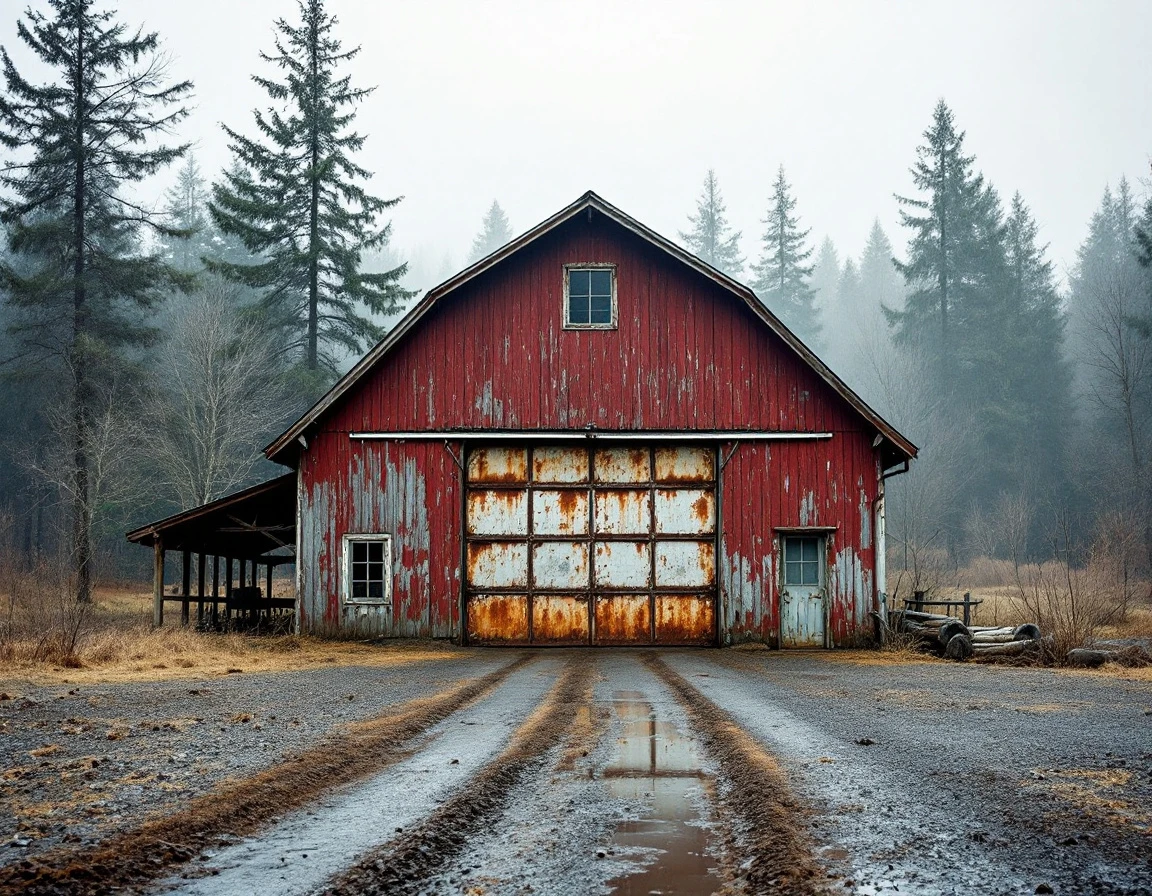
Weatherstripping & Track Sealing
Agricultural garage doors in Molalla require heavy-duty rubber or vinyl gaskets rated for commercial use, not standard residential weatherstripping. Farm equipment vibration, constant heavy door cycles, and moisture from field operations destroy lightweight residential seals within months.
Inspect weatherstripping monthly during wet season: look for gaps along door edges, cracked seals at the threshold, and water stains on the interior garage floor near door perimeters. These indicate failed sealing that allows moisture intrusion during Oregon’s spring rains.
Bottom seals fail first in rural garages—replace them annually before April rains begin. Clean track drain holes monthly by removing debris with a small wire or compressed air to prevent water accumulation that rusts springs and corrodes hardware.
Complete all weatherstripping replacement before June, when peak farming activity makes downtime costly and summer storms test your garage’s moisture defenses.
Ventilation & Humidity Control
Many Molalla farm owners focus on keeping water out while overlooking a hidden threat inside their workshop garages: interior moisture from condensation. When warm tractors and equipment are parked overnight in cool spring air, temperature differentials cause moisture to form on metal surfaces, accelerating rust on critical components.
Workshop garages storing vehicles and equipment need continuous airflow to prevent condensation damage. Ridge vents, soffit vents, or louvered side panels create passive air circulation that maintains stable humidity levels throughout the building. These ventilation upgrades reduce interior moisture accumulation by creating natural convection currents that draw humid air upward and out.
For buildings housing high-value equipment, small dehumidifiers provide cost-effective insurance against corrosion. A basic 30-pint model drawing 300 watts costs about $15 monthly to run continuously, protecting tens of thousands in stored machinery. This investment makes financial sense when compared to replacing rusted hydraulic components or electrical systems.
Pre-Summer Maintenance Checklist: Your Action Plan
June offers the ideal window to complete spring and opener checks before peak farming and ranching season in Molalla. A focused two-hour inspection catches the majority of potential mid-season failures before heavy equipment loads strain your garage door systems during harvest and livestock operations.
Complete the following maintenance tasks before summer arrives:
- Quick DIY checks require no special tools. Visually inspect springs for rust, gaps between coils, or visible stretching. Listen for grinding sounds during operation, which signal track misalignment or worn rollers. Test manual operation by disconnecting the opener—your door should lift smoothly and stay open at waist height without dropping.
- Professional evaluation becomes necessary when springs show visible degradation, openers struggle to lift doors smoothly, or weatherproofing seals show cracking or gaps. Agricultural properties benefit from professional opener load testing to verify your 1/2 HP or larger motor handles daily equipment cycles without overheating.
- Summer-specific tasks protect against Molalla’s dusty conditions. Clean tracks monthly during peak use, removing debris that accelerates wear. Apply lithium-based lubricant to rollers and hinges. Replace worn bottom seals before fall moisture returns.
Document each inspection with photos and notes about spring condition, seal integrity, and opener performance. This maintenance history reveals degradation patterns that help you plan spring replacements six to twelve months ahead. Avoiding emergency repairs during critical farming periods when downtime costs the most.