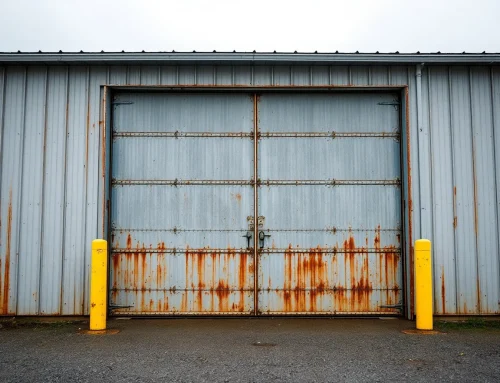
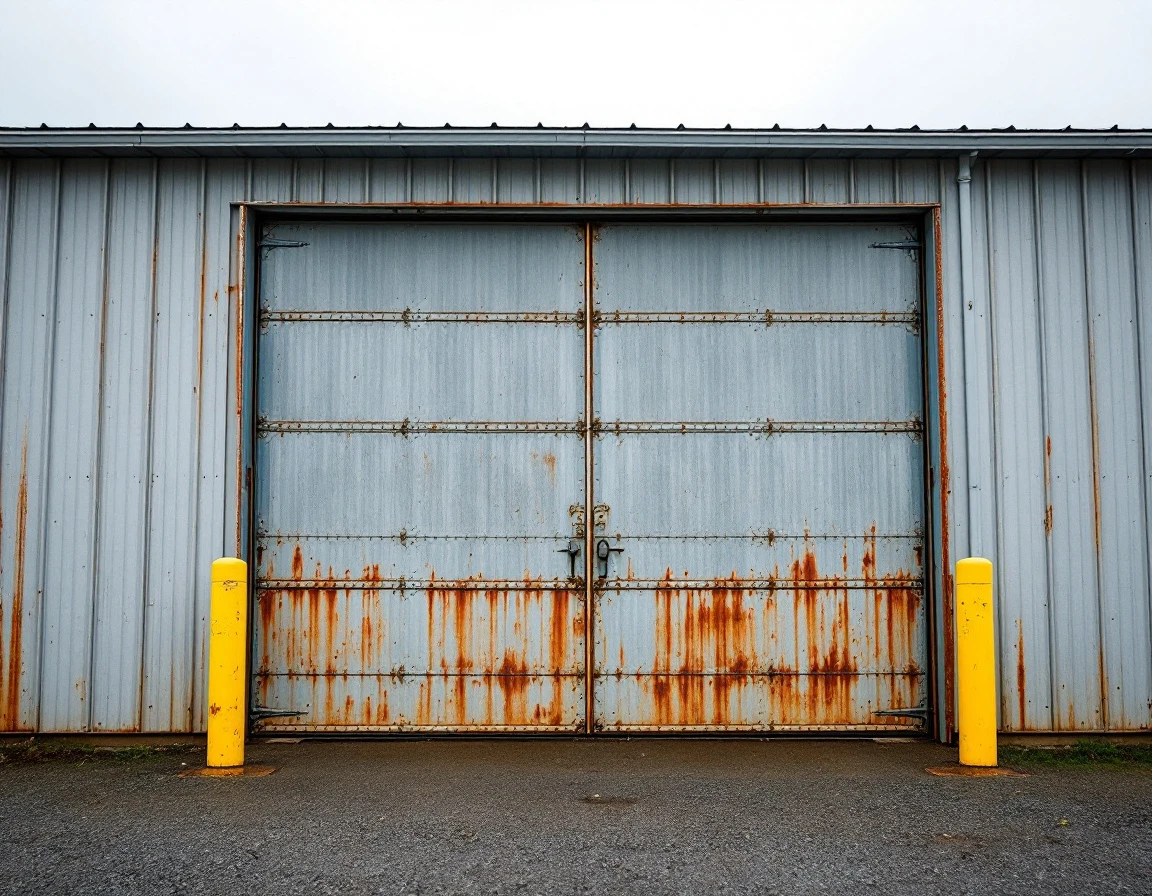
Why Quarterly Maintenance Delivers Substantial Savings for Bend Businesses
What’s the real cost of skipping regular garage door maintenance? For Bend-area businesses managing commercial garage door maintenance Bend schedules, the numbers tell a clear story. Emergency spring replacements run $800-1,500, while motor failures cost $500-1,000 to fix. Compare that to a quarterly inspection at just $150-250, and you’re looking at repair bills that cost 3-5 times more than preventive care.
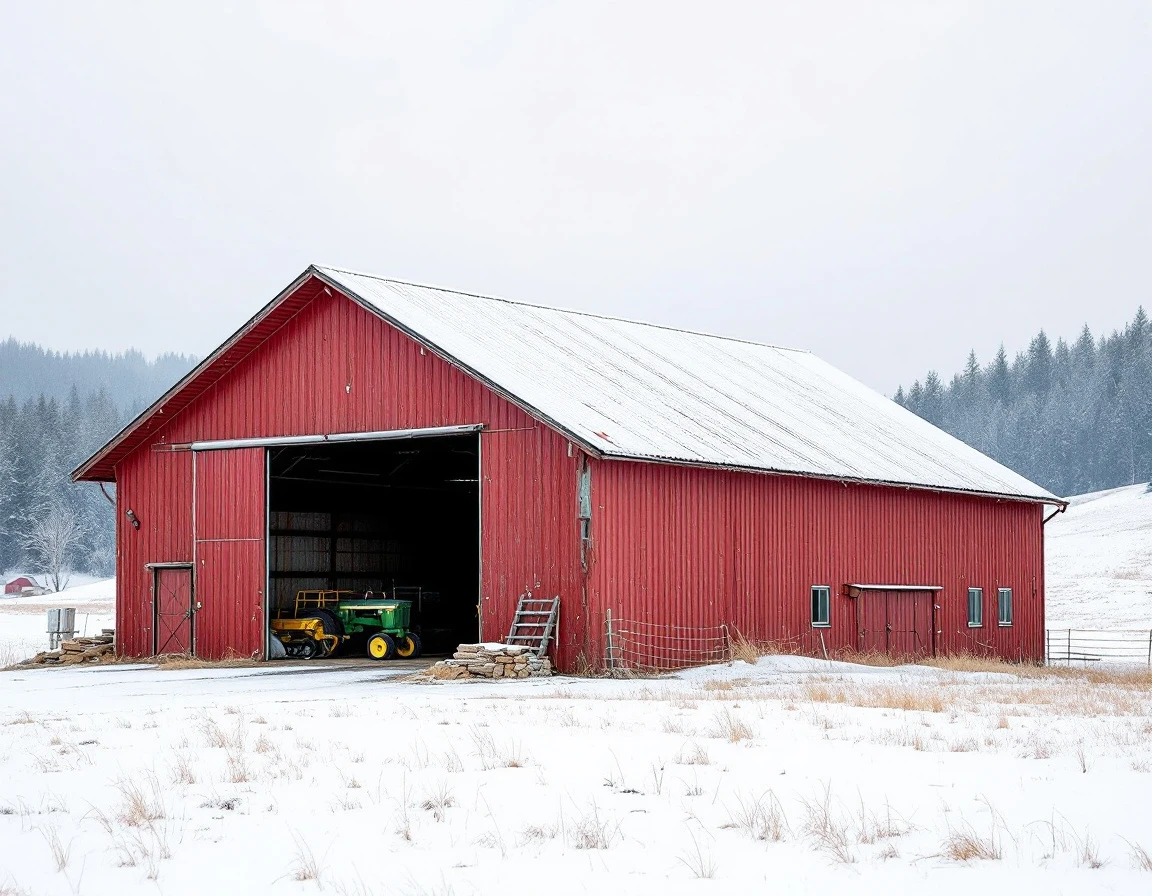
Oregon’s climate creates unique challenges for commercial door systems. Our freeze-thaw cycles stress springs and cables, while high-altitude temperature swings expand and contract metal components throughout the day. When heavy snow hits, doors work harder to open and close, accelerating wear on motors and tracks. These conditions don’t just cause gradual deterioration—they set the stage for sudden, catastrophic failures.
The financial impact goes beyond repair invoices. Unplanned downtime disrupts operations at warehouses, repair shops, and retail centers. A broken loading dock door might halt deliveries for hours or even days, damaging revenue and customer relationships.
Structured quarterly maintenance catches these problems early—a worn roller spotted during inspection costs substantially less to replace, while waiting until it seizes could result in a significantly more expensive emergency service call.
Month-by-Month Maintenance Calendar for Oregon Businesses
The key to avoiding those expensive emergency calls is knowing exactly what to check and when. Here’s your practical maintenance calendar, designed specifically for Bend’s climate and business schedules.
January Through March: Winter Recovery Mode
January: Inspect all weather seals and bottom rubber for ice damage or cracking (15-20 minutes). Cold snaps can make rubber brittle, creating gaps that let moisture and drafts into your facility. February: Test all safety sensors and auto-reverse mechanisms (20 minutes). Snow accumulation and temperature swings can knock sensors out of alignment. March: Lubricate all hinges, rollers, and tracks with cold-weather lubricant (30-45 minutes). These tasks are perfect for in-house maintenance teams.
April Through June: Spring Tune-Up Season
April: Schedule a professional spring balance check and adjustment (requires certified technician, 45-60 minutes). Freeze-thaw cycles put enormous stress on springs and cables. May: Inspect and realign tracks if needed (30 minutes for visual inspection; professional required for adjustments). June: Clean and lubricate all moving parts again as temperatures stabilize (30 minutes). In-house teams can handle cleaning and basic lubrication, but balance adjustments always need professional expertise.
July Through September: Summer Maintenance Window
July: Refresh lubrication on all components, as summer heat can cause lubricants to break down faster (25 minutes). August: Inspect rollers and hinges for heat-related wear or loosening (20 minutes). September: Test door balance and operation under varying temperature conditions (15 minutes). These quick checks work well for facility managers between busy seasons.
October Through December: Winter Preparation
October: Replace worn weather stripping before the first freeze (30-45 minutes, in-house capable). November: Have a professional inspect insulation and verify all components can handle winter loads (requires technician, 60 minutes). December: Final pre-winter safety check of all sensors, springs, and emergency release mechanisms (20 minutes, mostly in-house).
Following this calendar takes just 4-6 hours of total maintenance time per year, but it protects against those multi-thousand-dollar emergency repairs during your busiest seasons. Contact us today to schedule your quarterly professional inspections!
In-House vs. Professional: The 8-10 Task Inspection Checklist
Not all maintenance tasks are created equal. Some inspections are perfectly safe for facility managers to handle, while others require certified technicians with specialized equipment. Understanding which is which helps you maximize your maintenance budget while keeping safety front and center.
Four Safe In-House Tasks
- Visual door condition checks involve looking for dents, cracks, or warping in panels. Normal doors sit flush and move smoothly; abnormal signs include visible gaps, misaligned sections, or difficulty opening.
- Sensor beam testing is as simple as waving a broom handle through the closing path—the door should reverse immediately. If it doesn’t, or if sensors blink erratically, you’ve found an issue.
- Lubrication points include rollers, hinges, and springs (exterior only—never adjust tension yourself). Normal operation is quiet with smooth movement; grinding, squeaking, or jerky motion signals a problem.
- Weatherstrip inspection means checking the rubber seal along the bottom and sides for cracks, tears, or compression loss. Run your hand along seals while someone shines a flashlight from the other side—light shouldn’t leak through.
Four Professional-Only Tasks
- Spring tension testing requires specialized gauges and training because improperly tensioned springs store enough energy to cause serious injury or death.
- Motor load analysis needs diagnostic equipment to measure amp draw and detect motor strain before failure.
- Track alignment verification involves precision measurements with levels and laser tools—misaligned tracks cause premature wear and safety hazards.
- Bearing inspection requires removing components and checking for wear patterns invisible to untrained eyes.
Here’s the cost-benefit reality: commercial garage door service Bend Oregon professionals typically charge $150-300 for quarterly inspections, totaling $800-1,200 annually. That investment prevents $2,000-5,000+ emergency repairs from catastrophic failures. Download our printable checklist to know exactly when to grab your inspection flashlight versus when to call Garage Harmony’s certified commercial technicians.
Seasonal Task Breakdown: Winter, Spring, Summer, Fall
Oregon’s climate demands season-specific attention to keep your commercial garage doors operating reliably year-round. Here’s your quarter-by-quarter action plan with time and cost estimates:
Winter (December-February)
- ☐ Inspect weatherstripping and seals – In-house task, 15 minutes, $0. Cold contracts rubber, creating gaps that let in freezing air and moisture. Check monthly during cold snaps.
- ☐ Clear ice buildup from tracks and sensors – In-house task, 20 minutes, $0. Ice accumulation disrupts safety systems and causes track misalignment.
- ☐ Professional sensor calibration – Professional service, 30 minutes, $80-120. Freezing temperatures affect sensor accuracy, creating safety hazards.
Spring (March-May)
- ☐ Balance and tension testing – Professional service, 45 minutes, $150-200. Freeze-thaw cycles stress springs throughout winter, making spring the critical checkpoint before summer’s heavy use season.
- ☐ Track alignment verification – Professional service, 30 minutes, included with balance test. Winter expansion-contraction can shift tracks by millimeters, enough to cause premature wear.
Summer (June-August)
- ☐ Deep lubrication of all moving parts – In-house task, 30 minutes, $15-25 in supplies. Heat accelerates lubricant breakdown; fresh application prevents metal-on-metal grinding.
- ☐ Roller and bearing inspection – Professional service, 30 minutes, $100-150. Heat-related expansion reveals worn components before they fail during fall’s increased shipping volume.
Fall (September-November)
- ☐ Weatherproofing refresh – In-house task, 45 minutes, $40-60 in materials. Prepare seals and insulation before winter loads arrive.
- ☐ Professional pre-winter systems check – Professional service, 60 minutes, $200-250. Catch wear before weather extremes turn minor issues into costly emergencies.
Bend Market Benchmarks: Commercial Garage Door Maintenance Cost
Let’s talk real numbers. What does garage door maintenance schedule Oregon planning actually cost for Bend-area businesses, and how does it stack up against emergency repairs?
Preventive maintenance pricing in the Bend market runs $150-$300 per quarterly inspection, depending on door size and complexity. Four visits per year total $600-$1,200 annually—a predictable expense you can budget for.
Now contrast that with emergency scenarios. A spring failure—the most common catastrophic issue—costs $800-$1,500 for parts and labor, plus 4-8 hours of lost operational access while you wait for emergency service. Motor replacements run $500-$1,200 plus installation fees. Most Bend commercial service providers charge premium rates for emergency calls, often 50-75% above standard rates.
Here’s the reality: businesses that skip quarterly maintenance typically face substantial unplanned repair costs annually. Those emergency repairs don’t just drain your budget—they disrupt operations at the worst possible times, often during peak business hours.
The math is simple. Invest $800 in preventive care, or risk spending four times that amount on emergency fixes. For Bend businesses operating in Oregon’s demanding climate, garage door preventive maintenance for businesses isn’t an expense—it’s insurance against costly disruptions. Quarterly inspections keep operations running smoothly.
Next Steps: Schedule Your First Quarterly Inspection Today
Ready to capture those savings? Start with a baseline professional inspection to establish your door’s current condition and identify any existing wear patterns. This initial assessment creates a maintenance roadmap tailored to your specific equipment and usage patterns.
Assign one facility team member as your maintenance lead to track in-house tasks and coordinate professional services. Set calendar reminders now for your seasonal maintenance windows—January, April, July, and October—so how often should commercial garage doors be serviced becomes routine rather than reactive. Regular service keeps equipment reliable.
Contact Garage Harmony or a local Bend commercial garage door specialist to establish your preventive service plan. That first professional inspection is the quickest path to reducing emergency downtime and repair costs. Schedule your baseline inspection today and start protecting your bottom line from costly surprises.