


Agricultural Properties & Load Demands
Molalla homeowners face garage door demands that differ fundamentally from suburban properties. Agricultural operations storing tractors, hay balers, and livestock equipment require heavy-duty garage door spring replacement Molalla specialists can provide. When your garage stores a Kubota tractor, a compact hay baler, and livestock feeding equipment rather than sedans and bicycles, you’re operating in a completely different load category. Agricultural operations create sustained, heavy-load demands that standard residential springs simply cannot handle.
The equipment you store tells the story. A typical farm tractor weighs 3,000-5,000 pounds, requiring doors wide enough for safe clearance and strong enough for frequent access. Add hay balers, implements, and veterinary supplies, and you’re looking at garages that open and close multiple times daily throughout planting and harvest seasons. This usage pattern—frequent cycling combined with constant weight stress from oversized doors—accelerates spring wear at rates suburban homeowners never experience.
Rural workshop garage door spring replacement needs require commercial-grade components rated for heavy use. Understanding your property’s specific load category prevents catastrophic failure. When a 16-foot-wide agricultural door fails mid-cycle with equipment underneath, you’re facing safety hazards and operational delays that affect your entire operation.
Load Calculations for Heavy-Duty Doors
How do you know if your garage door system can handle the weight you’re asking it to carry? The answer starts with a simple calculation. First, locate your door weight—most manufacturers stamp this information on a label in the top corner of the door, or you can find it in your original specifications. If you can’t find either, a professional can weigh the door during a service visit.
Next, add the maximum weight of equipment stored inside. A typical farm tractor weighs 2,000 to 5,000 pounds, while hay bales run 40 to 60 pounds each. Stack fifty bales in your garage, and you’ve added 3,000 pounds. Your formula is simple: door weight + maximum stored equipment weight = total load. This total determines the spring capacity you need.
Commercial-grade springs are rated by load capacity in pounds per spring. A standard residential spring might handle 150 to 200 pounds, but agricultural applications in Molalla often require springs rated for 300 to 500 pounds or more. Springs distribute this load across their coils, and getting the heavy-duty load calculation right matters for two critical reasons: undersized springs fail suddenly, often without warning, creating dangerous situations. Oversized springs waste money on unnecessary capacity.
Oversized or custom doors require professional load assessment. Incorrect spring rating creates safety hazards and premature failure. This calculation also directly informs your commercial opener selection, since the opener must have sufficient horsepower to lift your total calculated load.
Commercial-Grade Spring Selection
What’s the real difference between residential and commercial springs? Commercial-grade springs are engineered for cycle count, not just load capacity. A residential spring typically handles 10,000 open-close cycles before failure—about seven years for a typical household. Commercial springs, however, are rated for 25,000+ cycles, making them ideal for Molalla workshops where doors open multiple times daily year-round to access tractors, hay equipment, and seasonal implements.
When ordering torsion springs—the horizontal bars mounted above most doors—you need three exact measurements:
- Wire diameter (how thick the spring wire is—typically somewhere between 1/4 and 5/16 of an inch)
- Coil inner diameter (the hollow core size, usually around 2 inches)
- Overall spring length
These specifications are not interchangeable. Installing a spring with the wrong wire diameter creates immediate safety risks: too light and it snaps under load; too heavy and it damages the opener or causes the door to slam shut.
Extension springs (the stretched coils running alongside horizontal tracks) occasionally appear on older agricultural buildings but lack the precision and safety features of modern torsion systems. This precision is exactly why professional installation matters—miscalculating spring specs can turn your garage door into a hazard rather than a hardworking asset.
Professional vs. DIY Installation
Should you tackle commercial spring replacement yourself? For heavy-duty doors storing thousands of pounds of equipment, the answer is almost always no. Springs carry massive tension. We’re talking roughly 10,000 psi of stored energy. If a bracket fails or a tool slips during installation, that energy releases violently.
Professional installers have specialized equipment you probably don’t:
- Torsion bars calibrated for commercial springs
- Spring hooks designed for high-tension components
- Safety cable systems
They also carry liability insurance that covers equipment damage and injury risk. DIY materials cost $100–$200 compared to professional installation at $200–$400. But that price difference doesn’t account for the real risk—springs under tension can cause serious injuries if something goes wrong.
Here’s another factor many Molalla property owners overlook: DIY installation voids most manufacturer warranties. When you’re protecting a 16-foot door holding $5,000 worth of equipment, the warranty coverage and safety factors justify bringing in Garage Harmony. Our experts handle these heavy-duty installations regularly and carry full liability coverage. For commercial-grade spring systems, expertise isn’t optional—it’s indispensable.
Year-Round Maintenance Schedule
Molalla’s agricultural calendar dictates when your garage door works hardest. Spring and summer bring constant equipment movement as tractors, tillers, and mowers cycle in and out for planting and maintenance. Fall harvest season accelerates door usage again. Winter offers a brief slowdown, but Oregon’s wet season creates new threats: rust, corrosion, and moisture damage that silently weaken springs and hardware.
A monthly visual inspection catches rust spots before they spread. Check springs, cables, and rollers for orange discoloration or flaking metal—early warning signs in the Pacific Northwest’s damp climate. Apply non-silicone lubricant to springs, hinges, and roller shafts every month during heavy-use seasons (March through October) and every six weeks during winter. This simple step extends spring life by preventing friction wear and corrosion damage.
Agricultural operations push garage doors through two to three times more cycles than typical suburban homes. That heavy use compresses the timeline from routine maintenance to catastrophic failure. What might last ten years with quarterly attention fails in five years without it. Clean tracks monthly to remove mud, straw, and debris that rural properties accumulate. Test door balance quarterly by disconnecting the opener and manually lifting the door halfway—it should stay put without drifting.
Mark your calendar with these maintenance tasks:
- Inspect monthly
- Lubricate with equipment prep cycles
- Schedule professional tune-ups each spring before peak season begins
This rhythm prevents emergency failures during harvest when you need reliable access most.
Seasonal Inspection Tasks
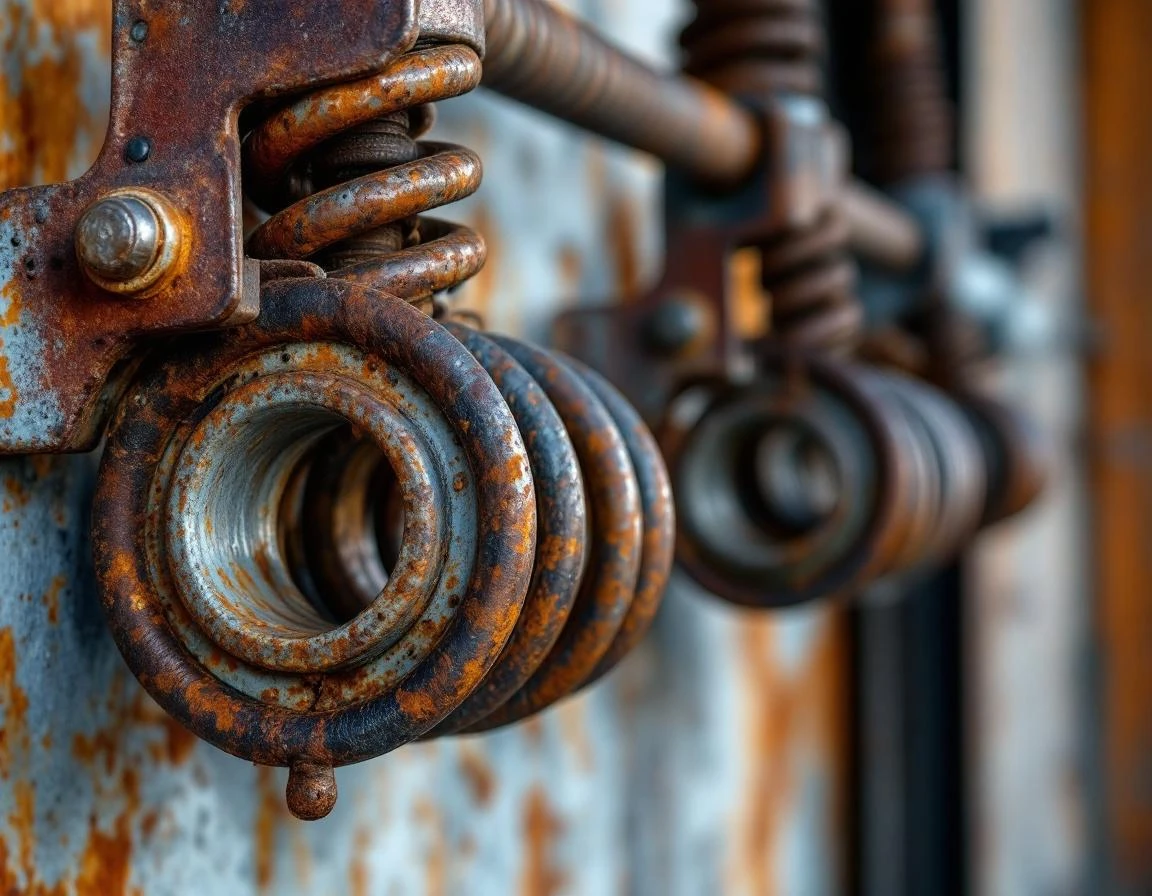
Align your agricultural garage door maintenance rural Oregon schedule with Molalla’s agricultural calendar to catch problems before they cause downtime during peak equipment use. In spring (May through July), when you’re moving tractors and implements in and out daily, check the condition of your torsion springs. Shiny springs indicate good health, while discolored or pitted surfaces signal rust formation and imminent failure. Test door balance by disconnecting the opener and manually lifting the door halfway—it should stay in place without drifting up or down. Inspect cables for fraying or broken strands.
Fall maintenance prepares your system for Clackamas County’s rainy season. Clean tracks thoroughly to remove dust and debris, then apply lubricant to all moving parts before winter moisture arrives. During winter months, when the county receives most of its 40+ inches of annual rainfall, perform monthly moisture checks. Look for rust formation on springs and hardware, and clear ice or snow from the door bottom to prevent freezing to the concrete.
Year-round, listen for noise changes that signal developing problems. Grinding sounds indicate worn rollers or bearings, while squeaking means components need lubrication. Summer’s increased equipment movement generates friction heat—check for overheating smells near the opener motor during heavy-use periods.
Warning Signs & Replacement Triggers
Did you know garage door springs rarely give you much warning before they fail completely? Notice your door moving slower? If it once opened in 8 seconds but now takes 12, your spring is losing tension. Replacement is imminent. Speed reduction means the spring can’t maintain proper counterbalance weight anymore.
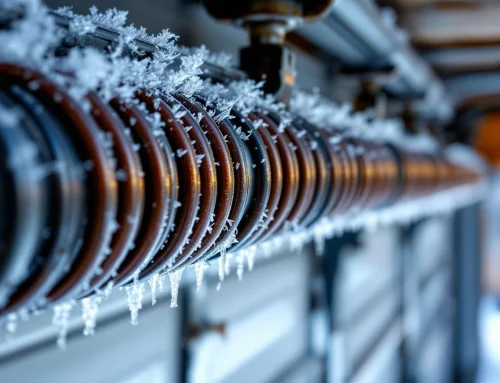
Rust isn’t just cosmetic on torsion springs. Visible pitting, flaking, or deep discoloration means corrosion has eaten into the spring core. Weakening its structural integrity. Agricultural environments in Molalla accelerate this process through fertilizer dust, moisture from equipment cleaning, and temperature swings between seasons.
Listen to your opener. If the motor hums longer than usual, struggles to lift the door, or requires frequent resets, your spring is dead or dying. The opener isn’t intended to carry the door’s full weight—that’s the spring’s job.
Here’s a critical detail: if one spring breaks, replace both springs together. They age simultaneously and share identical cycle counts. Replacing only the broken one creates load imbalance and guarantees the second spring fails within weeks—another emergency repair call and doubled labor costs.
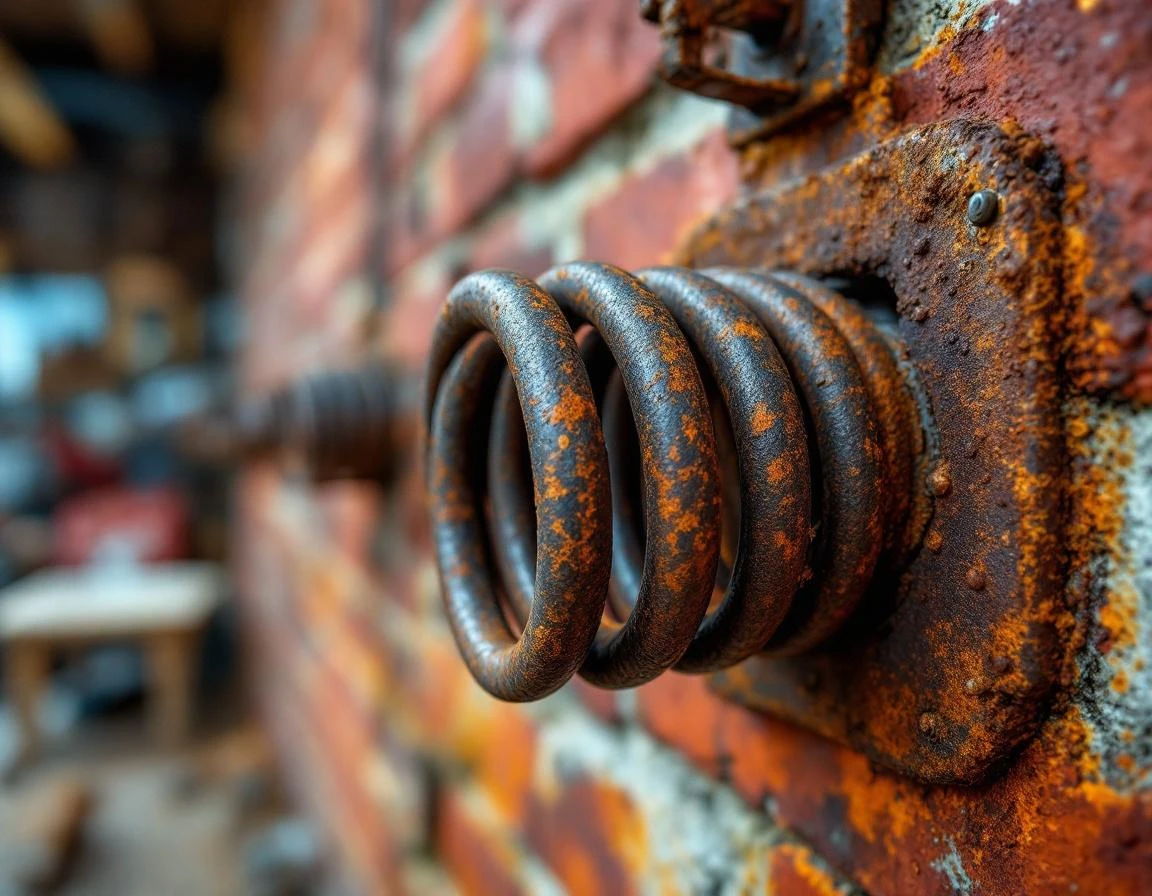
Agricultural garage doors are critical to your operation. If you’ve noticed slower opening speeds, rust on springs, or unusual noises, don’t wait for failure. Contact Garage Harmony today to schedule a professional load assessment. Our Molalla experts understand the demands of farm equipment storage and can verify your system handles your specific needs safely.


Leave A Comment