


Historic Single-Car Garages and Wet Climate Risk
Longview’s Long-Bell era garages face unique challenges from the region’s 40-50 inches of annual rainfall, making April the ideal month for preventive garage maintenance in this wet climate. Understanding how to maintain garages in rainy climates protects both your home’s curb appeal and the structural integrity of these historic structures.
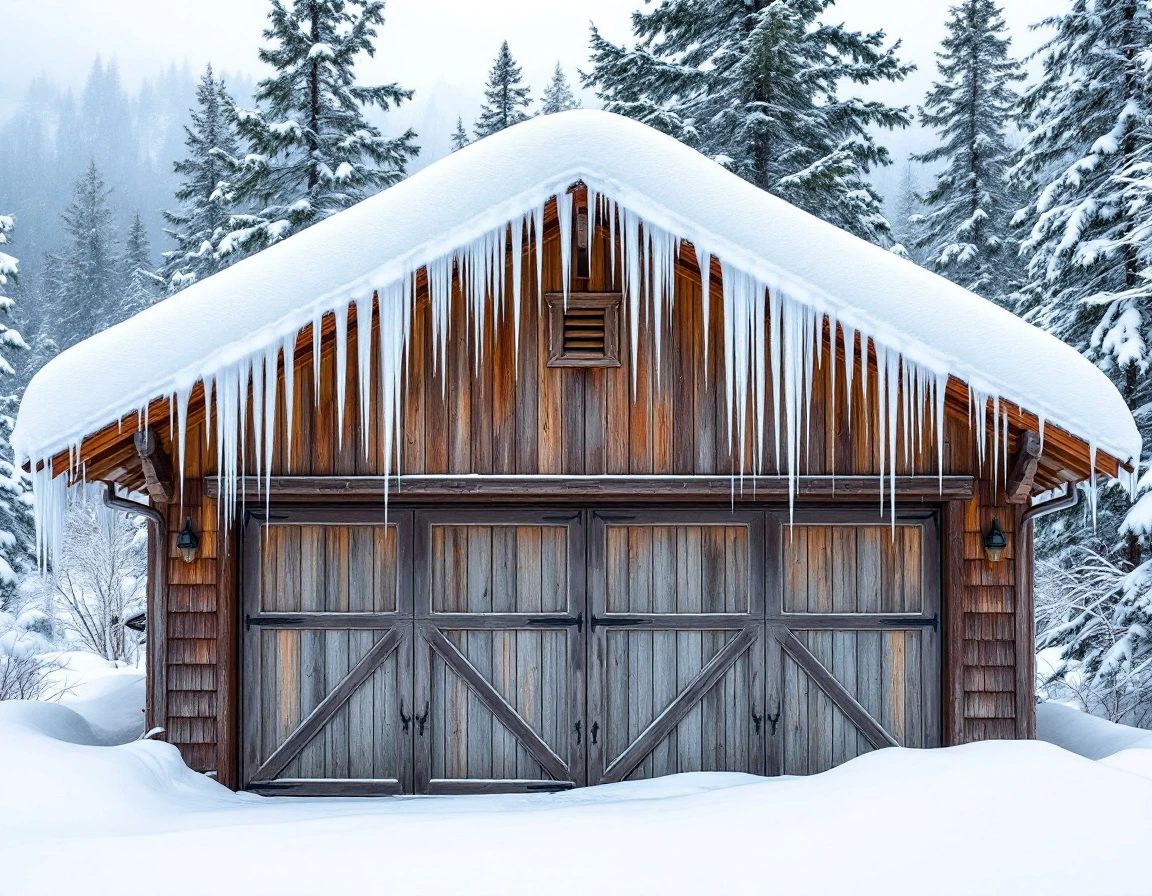
Long-Bell era detached garages built
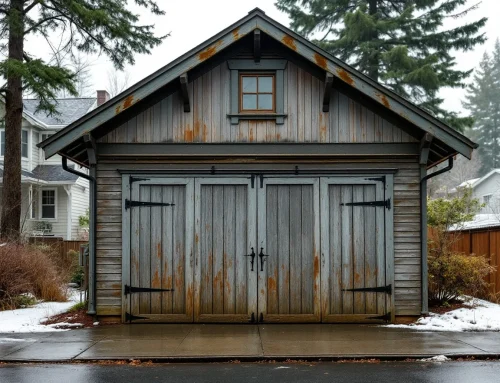
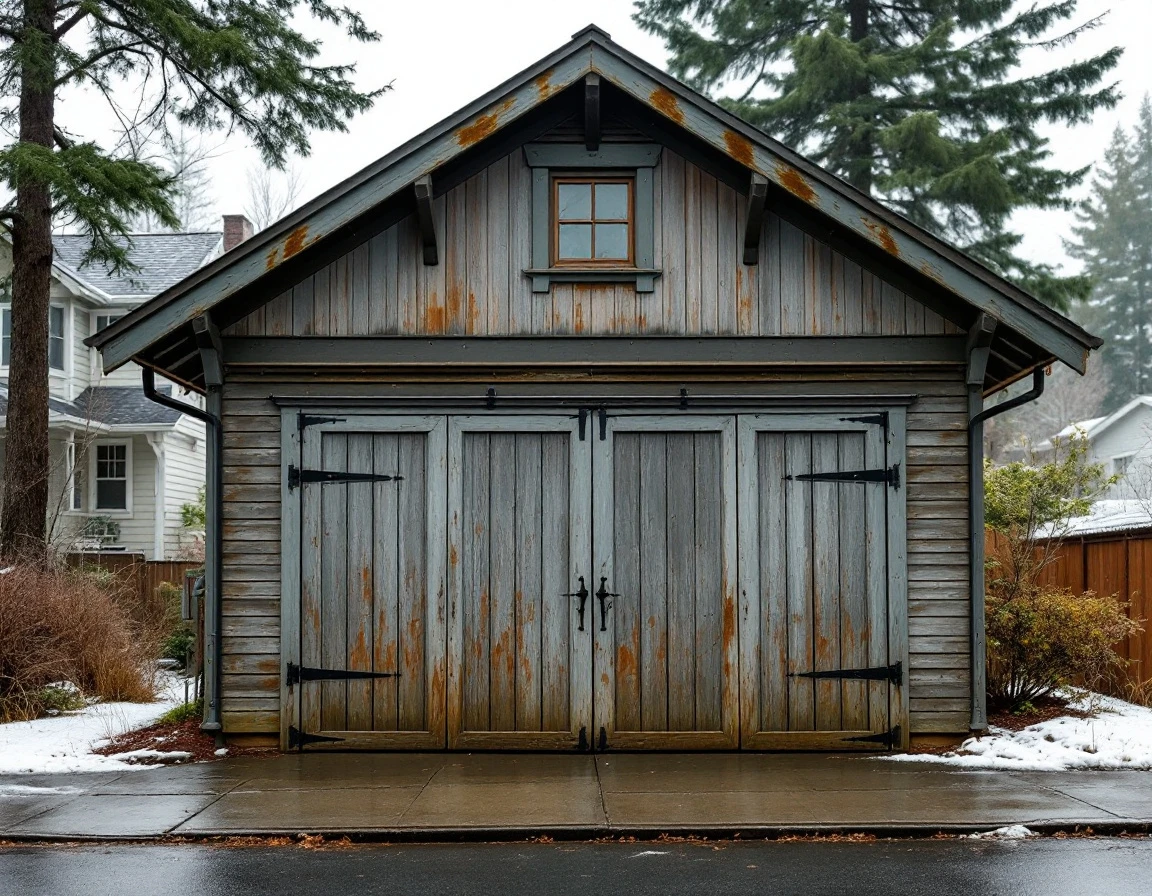
The Long-Bell Lumber Company built Longview as a planned city in the 1920s, creating thousands of homes with detached single-car garages. These historic structures used standard metal components—springs, hinges, track hardware, and steel panels—that remain vulnerable to rust and corrosion nearly a century later.
Longview’s climate delivers 40 to 50 inches of rainfall annually, creating constant moisture exposure that accelerates metal deterioration. Springs lose tension as corrosion weakens their coils, hinges seize from rust buildup, and galvanized panels develop surface pitting that spreads beneath paint layers.
April is the critical inspection window
Why does April matter so much for historic Longview garages? Because it’s your last chance to catch moisture damage before the peak rainfall months arrive in May through November. The region’s 40-50 inches of annual rain concentrate heavily in these months, turning small rust spots into structural failures.
For Long-Bell era garages, April inspections aren’t just good practice—they’re essential for architectural heritage preservation. These structures need moisture-aware maintenance strategies that account for their metal components and wood framing.
Schedule your inspection before spring rain intensifies, giving you time to treat rust and apply protective coatings while conditions remain relatively dry.
Three High-Risk Rust Points to Inspect for Garage Maintenance in Longview’s Wet Climate
Before April rains soak your historic Longview garage, focus your rust inspection on three vulnerable zones where moisture damage accelerates fastest. Long-Bell era garages typically lack modern weathersealing, making these areas especially susceptible to Longview’s 40-50 inches of annual rainfall.
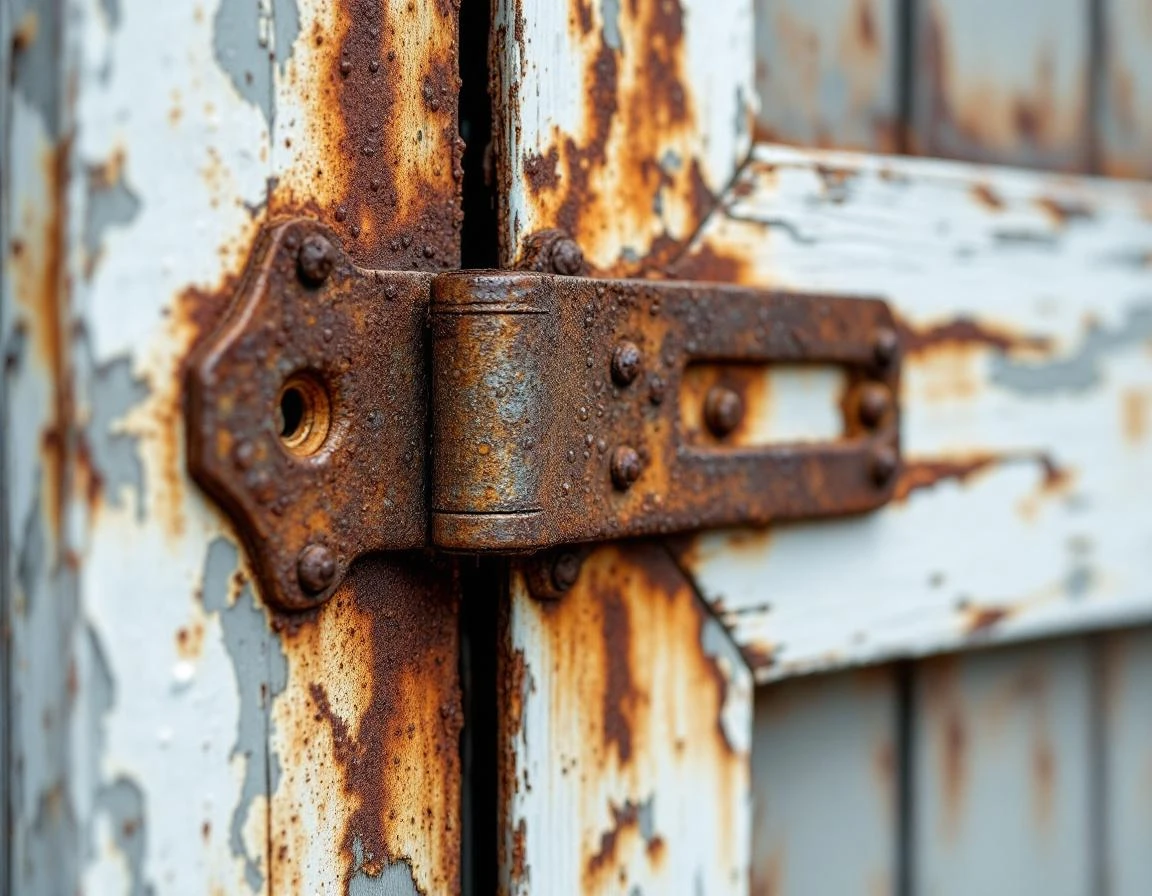
- Springs and hinges. These components endure constant tension and movement, creating microscopic cracks where rainwater penetrates. Look for orange or reddish-brown discoloration on spring coils, white powdery residue at hinge joints, and reduced door mobility. In wet climates, surface rust on springs can progress to structural failure within a single season. Creating both operational problems and safety hazards when doors suddenly drop. Longview garage spring and hinge rust demands immediate attention during your April maintenance window.
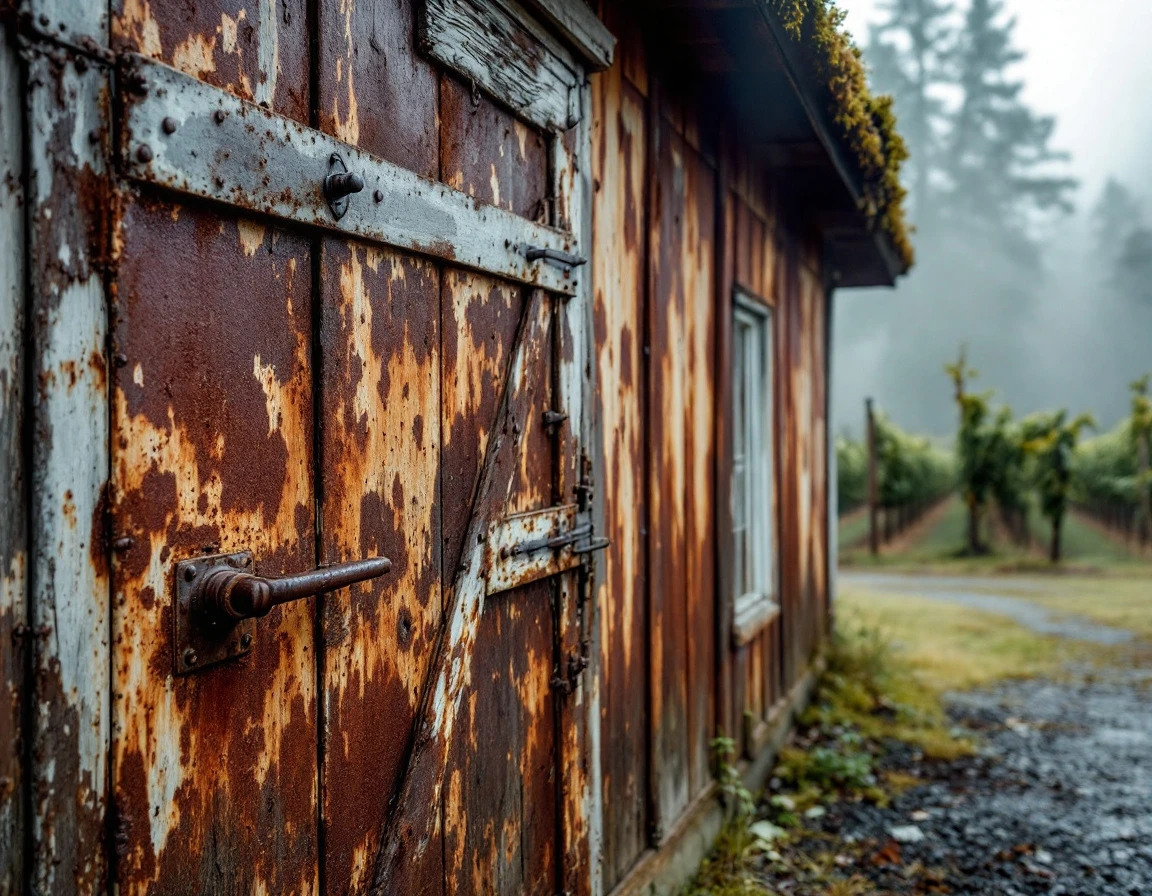
- Metal panels and trim. These show rust progression through distinct visual stages. Early corrosion appears as small brown spots or streaks. As moisture exposure continues, surface pitting develops—tiny craters that feel rough to the touch. Left untreated, these pits expand and connect, compromising both curb appeal and structural integrity. Bottom panels near ground splash zones deteriorate fastest.
- Fasteners and hardware. These often get overlooked until bolts seize completely. Check all mounting bolts, track brackets, and roller assemblies for rust accumulation. When fasteners corrode, you lose the ability to adjust door alignment and maintain proper weatherseals—allowing more moisture penetration. Identifying these three zones now lets you prioritize DIY treatment or professional intervention before rust becomes structural.
April Pre-Season Maintenance Checklist
April offers Longview homeowners the last reliable window to prepare historic garages before May brings the region’s heaviest rainfall. This checklist breaks maintenance into four safety-first stages that address rust vulnerabilities before moisture accelerates corrosion.
Safety and Disconnection
Disconnect the automatic opener and test manual operation by lifting the door halfway. Springs showing rust near the coils should hold the door without dropping. If the door falls or feels heavy, corrosion has weakened the spring tension—contact a professional before proceeding with maintenance.
Inspection and Documentation
Document rust spots on springs, hinges, and roller brackets with photos. Check for panel gaps wider than a pencil width and inspect hinge movement—sticky or grinding hinges indicate advanced corrosion. Note fasteners with rust bleeding onto surrounding wood, which signals moisture penetration behind the hardware.
Treatment Application
Apply PB B’laster Penetrating Catalyst to springs and hinges, allowing 15 minutes for penetration. Follow with Fluid Film or similar moisture-displacing rust preventative designed for wet climates. These products push water away from metal surfaces rather than trapping it under conventional oils.
Sealing and Drainage
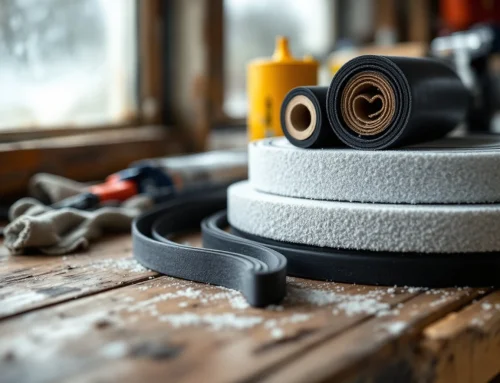
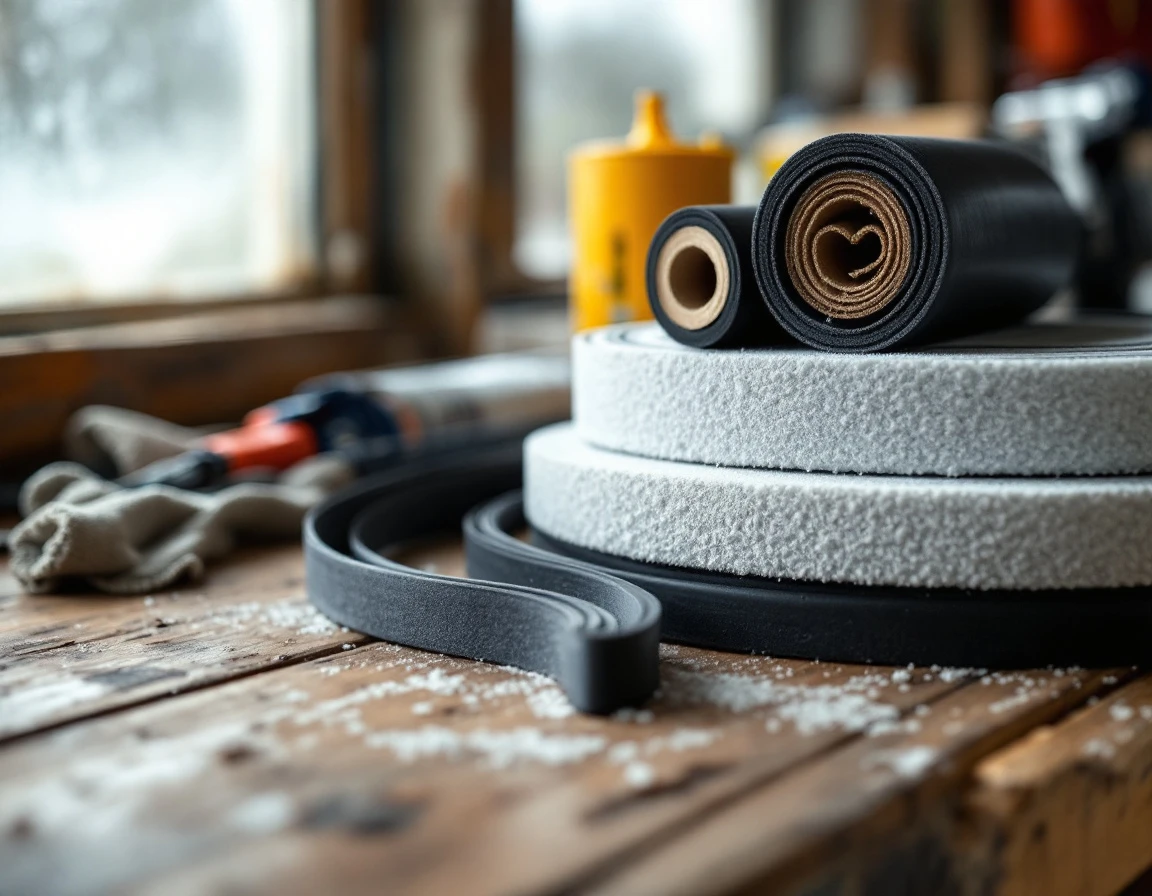
Verify weatherstripping creates a continuous seal when the door closes. Apply exterior-grade silicone caulk around trim boards and fastener heads where gaps allow water entry. Check that ground-level drainage directs water away from the garage foundation. Completing this checklist in April protects your investment through the 40-50 inches of rainfall arriving between May and November.
DIY vs. Professional Treatment Decision
After completing your April inspection, you’ll need to decide which repairs you can handle yourself and which require professional expertise. For historic Longview garages, this decision goes beyond simple capability—it’s about protecting the architectural authenticity of Long-Bell era structures while preventing damage that could cost more to repair later.
Safe DIY tasks include the following:
- Cleaning and lubricating springs and hinges
- Applying rust inhibitors to fasteners
- Replacing weatherstripping
- Caulking panel joints
These maintenance activities address surface-level issues on intact structures without requiring specialized tools or risking structural damage. You can confidently handle light surface corrosion with wire brushes and protective coatings as outlined in the previous maintenance section.
Professional intervention becomes necessary when dealing with spring replacement, deep pitting in metal panels, hinge realignment that prevents proper door sealing, or panel replacement. Corroded springs pose serious safety risks—a broken spring under tension can cause injury. Deep pitting indicates structural compromise that requires expert assessment to determine whether repair or replacement preserves the garage’s historic character.
Heritage preservation sometimes requires professional judgment that a well-meaning DIY approach might overlook.
Consider the cost-benefit perspective: an April professional inspection from Garage Harmony typically runs $150-250, while emergency spring replacement costs $300-500 and panel damage repair can exceed $800. Catching problems early with professional evaluation prevents both higher repair costs and potential loss of your garage’s original architectural features.
Extend Your Historic Garage 10+ Years
By following a simple annual rhythm, you can protect your historic Longview garage from moisture damage and extend its functional life. Seasonal maintenance in the Pacific Northwest during the critical rainfall months prevents moisture-related damage that would otherwise occur during peak wet season. Homeowners who skip this essential inspection window often face costly repair bills when rust damage has progressed from surface corrosion to structural failure.
Your year-round preservation strategy should include four seasonal touchpoints. Inspect in April before heavy rains arrive. Monitor your garage after major storms, checking weathersealing and drainage patterns. Reapply rust inhibitors and lubricants in fall before winter moisture peaks. Conduct a final inspection in early spring to catch any winter damage before the cycle repeats.
This rhythm maintains the protective barriers that keep moisture away from vulnerable metal components. After rainfall events, check for water infiltration around trim and doors. Maintain weatherstripping integrity throughout the year. Reapply protective coatings annually to fasteners, hinges, and exposed metal surfaces.
For heritage homeowners concerned about architectural authenticity, Garage Harmony can assess your garage and recommend character-appropriate repairs that address corrosion and stabilize surfaces to honor Long-Bell era construction methods. April action remains the most cost-effective decision you can make to protect both function and curb appeal of your architectural heritage.

Leave A Comment