


Spring Painting Timing & Weather
April offers Portland homeowners ideal conditions for exterior painting projects that boost curb appeal. The moderate temperatures—typically hovering between 55 and 65°F—create a sweet spot for paint adhesion and proper curing. Unlike summer’s intense heat, which can cause paint to dry too quickly and crack, or fall’s return of heavy rains, spring provides predictable weather windows that professional painters rely on.
With the right exterior paint colors for curb appeal and proper timing, your home’s transformation will last for years.
Portland’s spring climate brings lower humidity levels compared to the muggy summer months ahead. This matters because moisture in the air affects how paint bonds to your home’s exterior surfaces. The drier spring air allows each coat to cure properly, building durability that protects your investment for years to come.
Timing matters more here than in drier climates. Rain forecasts become your planning tool—most painting contractors watch 3-to-5-day weather windows closely. When you spot those clear April stretches, you’re looking at prime painting days that balance mild temperatures with enough consecutive dry hours for proper application and initial curing. Paint now, and your fresh color will face summer’s UV rays with a fully cured, resilient finish.
Three-Step Color Selection Framework for Curb Appeal
Staring at hundreds of paint chips is a recipe for decision paralysis. How do you narrow those options to the perfect color for your Portland-area home? Our three-step framework transforms overwhelming choices into a clear path forward, helping you select exterior paint colors for curb appeal that enhance your home’s architecture while fitting your neighborhood context.
Step 1: Assess Architecture and Neighborhood Character
Your home’s architectural style acts as the first filter. Historic Richmond bungalows with their deep eaves and exposed rafter tails pair naturally with Craftsman-era color palettes—think earthy greens, warm browns, and golden ochres that echo the surrounding trees. Orenco Station’s modern homes. With their clean lines and minimalist design, call for contemporary neutrals like graphite gray or crisp white with bold accent colors. West Linn’s Craftsman-style homes blend traditional woodwork with updated color schemes that honor their heritage while feeling fresh.
Walk your neighborhood before choosing colors. Notice what works—and what clashes. In established Portland neighborhoods like Laurelhurst or Irvington, homeowners often select colors that complement adjacent homes without copying them exactly. This creates visual harmony while maintaining individuality.
Step 2: Apply Color Psychology and Regional Trends
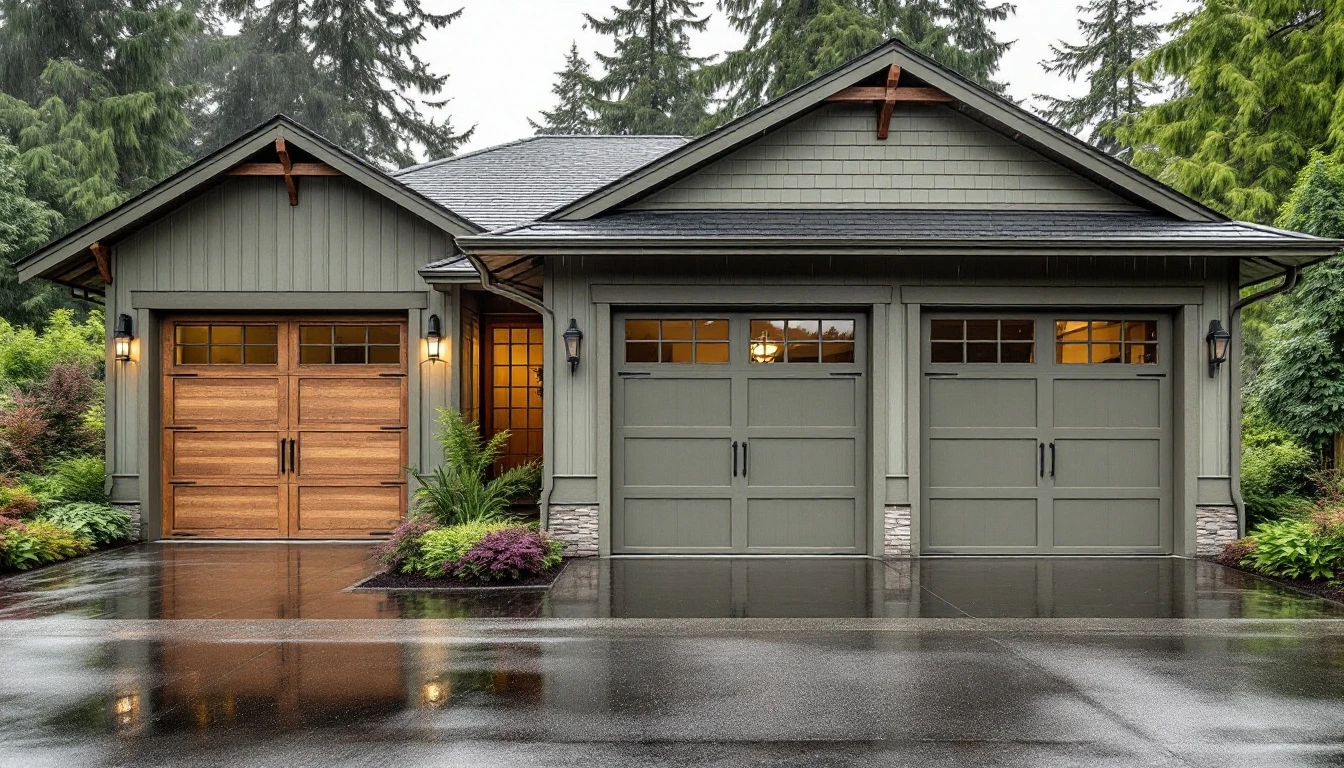
Portland’s natural market offers built-in color inspiration. The region’s signature Douglas firs, gray skies, and abundant greenery create a muted, organic backdrop. Colors that echo these elements—sage greens, slate grays, warm taupes—feel authentically Portland. The most popular exterior colors emphasize warmth, longevity, and an organic connection to nature. Avoid jarring tropical brights or stark whites that fight against the environment rather than working with it.
Step 3: Test Samples on Your Home
Never commit without testing. Paint large swatches (at least 2×2 feet) directly on your home’s exterior. Observe them in morning light, afternoon sun, and overcast conditions—Portland’s variable weather will show you how colors shift throughout the day. Test on different sides of your house, as north-facing walls appear cooler than south-facing surfaces. This final step eliminates costly mistakes and confirms your choice works in reality, not just in your imagination.
Step 1: Assess Architecture & Context
Before opening a single paint chip, take a close look at your home’s bones and surroundings. Walk your property and identify your architectural style—Craftsman bungalows with their deep eaves and natural materials call for different color approaches than sleek mid-century modern ranches or traditional historic homes. This assessment prevents costly mismatches that can undermine your curb appeal painting color combinations.
Next, audit your neighborhood’s color palette. In Portland’s historic Downtown Camas Mill district. Earth tones and muted greens honor the area’s heritage character. Orenco Station’s modern homes support bolder accent colors that reflect contemporary design, while West Linn’s riverside properties benefit from colors echoing surrounding greenery and stone. You’re looking for cohesion without copying your neighbors.
Finally, note your existing materials and built-in features. Mature Douglas firs, exposed brick foundations, and natural stone create a built-in color palette. Use this quick assessment:
- Architectural style identified
- Neighborhood palette noted
- Existing materials documented
This foundation guides every color decision ahead.
Step 2: Apply Psychology & Trends
Once you understand your home’s style and neighborhood, apply color psychology and current Portland trends. Warm neutrals dominate the Portland metro in 2026—think greige, warm gray, and soft taupe. These colors reflect the Pacific Northwest’s nature-inspired palette while creating approachability that increases buyer interest.
Pair your neutral base with strategic accent colors. The following combinations work beautifully:
- Deep forest green for front door or trim
- Navy blue accents echoing evergreen landscapes
- Warm charcoal reflecting overcast skies
Warm tones make homes feel inviting and accessible, while cool tones suggest calm stability—both qualities that enhance resale value in our market.
Why do these combinations work? Portland’s soft natural light and lush surroundings favor colors that harmonize rather than compete with the environment. Test your finalists in different light conditions to confirm they feel balanced against your natural surroundings.
Color Testing & Resale Impact
Before committing to 10 gallons of exterior paint, test your 2-3 finalist colors on the actual home. Portland’s variable lighting conditions make this step critical—colors that look perfect on a sunny afternoon can appear washed out during overcast mornings, which dominate our spring weather pattern. Purchase sample quarts and paint 2×2-foot test patches on different elevations of your home: north-facing siding, south-facing sunny exposure, and any areas that receive afternoon light.
Observe these samples for 3-5 days at different times. Morning overcast reveals whether a color turns muddy or maintains its warmth. Afternoon sun shows if it bleaches out or holds its character. This testing window helps you avoid costly mistakes that plague homeowners who choose colors based on tiny chips alone.
Neutral exterior colors consistently outperform bold choices in the Portland metro real estate market. A Pearl District Craftsman painted in warm greige with forest-green trim sold for asking price within two weeks, while a similar home with bright yellow siding sat for 47 days. Lake Oswego real estate agents report that homes with natural earth tones—soft taupe, sage green, warm gray—attract more showings and generate stronger offers. The color of your home’s exterior can enhance your home’s curb appeal or be a detriment.
Buyers perceive these palettes as move-in ready, reducing their mental renovation budget and increasing their willingness to pay premium prices.
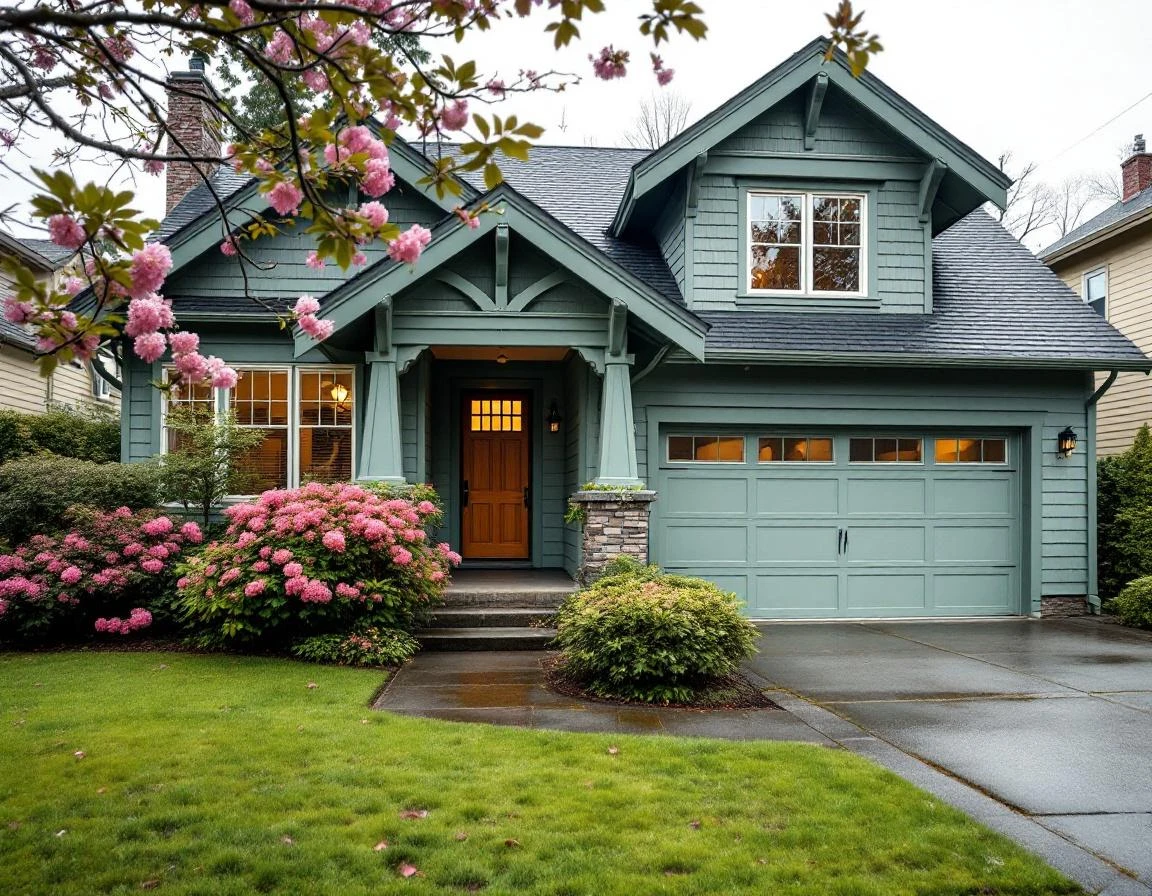
Spring Home Painting Tips & Checklist
Ready to transform your home’s exterior this April? Follow this Portland-specific checklist to avoid the paint failures that plague rushed projects. Your preparation and execution steps include:
- Power wash all exterior surfaces to remove moss and mildew common in our damp climate
- Scrape away any loose or peeling paint
- Prime all bare wood spots with a quality primer designed for Pacific Northwest moisture levels
Weather monitoring is critical in Portland’s unpredictable spring. Check the 10-day forecast before committing to your painting window, and avoid any periods with rain predicted.
Your paint needs a full 48-hour dry period after application to cure properly—rushing this step leads to peeling and bubbling within months.
Paint selection matters more here than in drier climates. Choose premium exterior acrylic latex formulated for high-moisture environments. These products contain mildewcides and better moisture resistance than standard options.
Should you hire professionals or tackle this yourself? For single-story homes with minimal trim, DIY can work well if you have the time and patience. Multi-story homes or properties with extensive trim details often benefit from professional crews who can complete the job during weather windows without safety risks. The cost difference pays for itself in time saved and consistent results.




Leave A Comment