


Why Spring Is Prime Painting Season for Exterior Paint Colors
Spring offers Portland homeowners the ideal conditions for exterior painting projects. Choosing the right spring exterior paint colors with mild temperatures and decreasing rainfall creates the perfect window for paint application and curing.
April-June offers Portland’s most predictable
Portland’s spring window from April through June delivers the most reliable conditions for exterior paint application. During these months, you’ll find consistent temperatures between 50-70°F and lower rainfall compared to winter and fall, creating the steady environment paint needs to cure properly.
Spring light in the Pacific Northwest reveals how colors truly appear on your home. The longer days and angle of sunlight during this season help you evaluate how your chosen palette affects curb appeal from the street. What looks perfect on a paint chip indoors can shift noticeably when applied to your home’s exterior under natural spring conditions.
Timing your project now maximizes curing time
Starting your exterior painting project in April gives paint the time it needs to cure properly before Portland’s summer heat intensifies and fall rains return. Spring temperatures between 50-70°F create the conditions manufacturers recommend for paint to bond deeply with surfaces and develop full protection.
Painting now also helps you avoid the constraints that make winter projects difficult. Winter moisture delays work schedules, and cold temperatures below 50°F prevent proper paint adhesion and extend drying times beyond reasonable limits.
Portland’s Light and Color Perception
Pacific Northwest spring light differs from other regions in ways that directly impact how paint colors appear on your home. Unlike the bright, warm light of Southern California or the intense sun of the Southwest, Portland’s spring brings cooler, softer, and more diffused light that shifts how colors read to the eye. This low-angled illumination filters through moisture in the atmosphere, creating conditions that reveal undertones and color casts that might remain hidden in harsher climates.
The same paint color looks different throughout the day and week in Portland. Morning light reveals cool undertones in grays and blues, while afternoon sun brings out warmer casts in beiges and greens. When overcast skies dominate—common in early spring—colors appear more neutral and muted. Then, when clear days arrive, those same colors suddenly show their true warm or cool character. A soft sage that looks perfect under clouds might appear too yellow in bright sun.
Before you commit to a color, test large samples on your home’s north, south, and west-facing walls. North-facing surfaces receive indirect light all day and show colors at their coolest. South and west-facing walls get direct sun that intensifies warm tones. Watch your samples over several days, checking them in morning fog, midday sun, and late afternoon light.
This testing process reveals exactly how your chosen color will perform in Portland’s unique spring conditions, preventing costly surprises after the full paint job is complete.
Color Selection Framework for Portland Homes
Before purchasing a single paint can, walk through a systematic evaluation process that prevents costly mistakes. Start by inventorying your home’s permanent features that will influence your exterior painting color selection:
- Examine your roof material and color
- Identify existing trim that you’re keeping
- Assess your landscaping elements like stone pathways or evergreen plantings
- Determine your architectural style
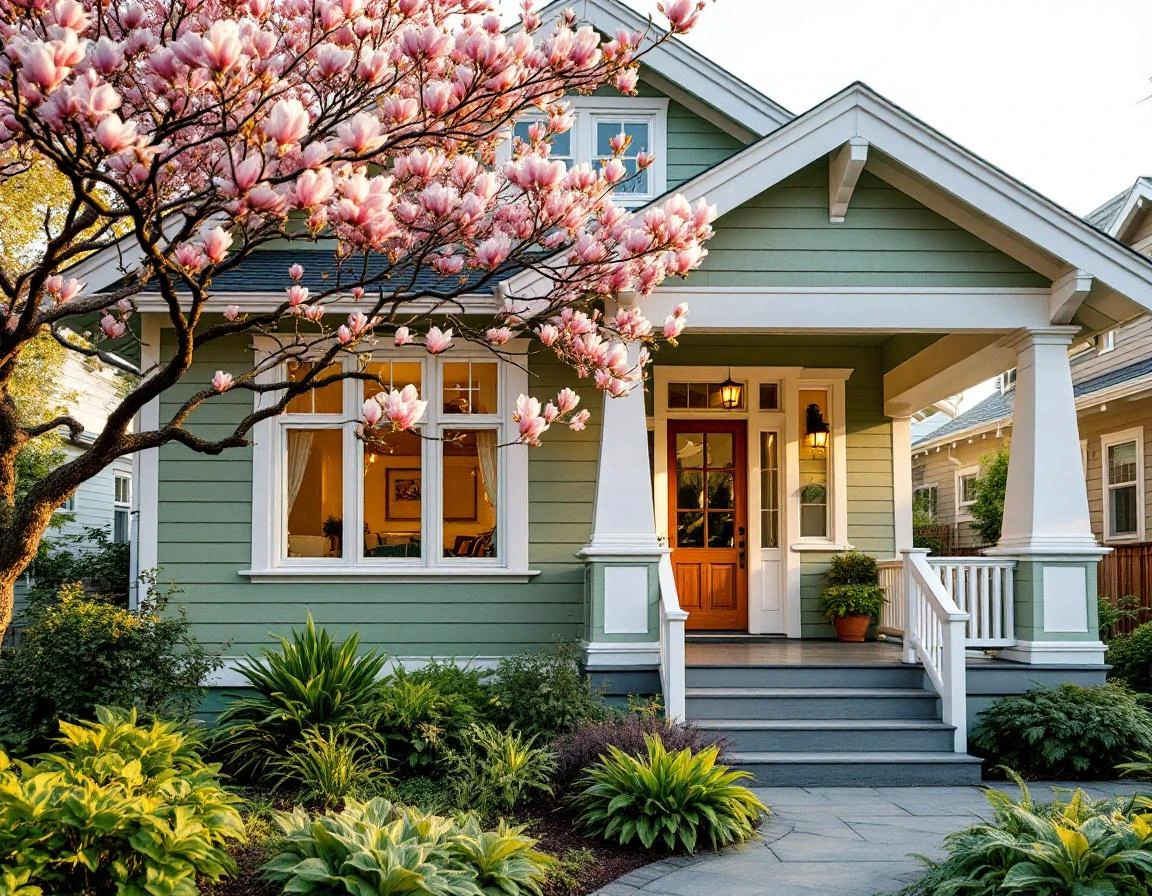
Once you understand what you’re working with, select a dominant color that complements rather than competes with these elements. In Portland neighborhoods like Irvington and Laurelhurst. Earth tones and softer hues dominate the palette, reflecting the region’s Craftsman heritage and natural surroundings. Your dominant color should harmonize with both your yard and the surrounding homes—not match them exactly, but respect the overall character.
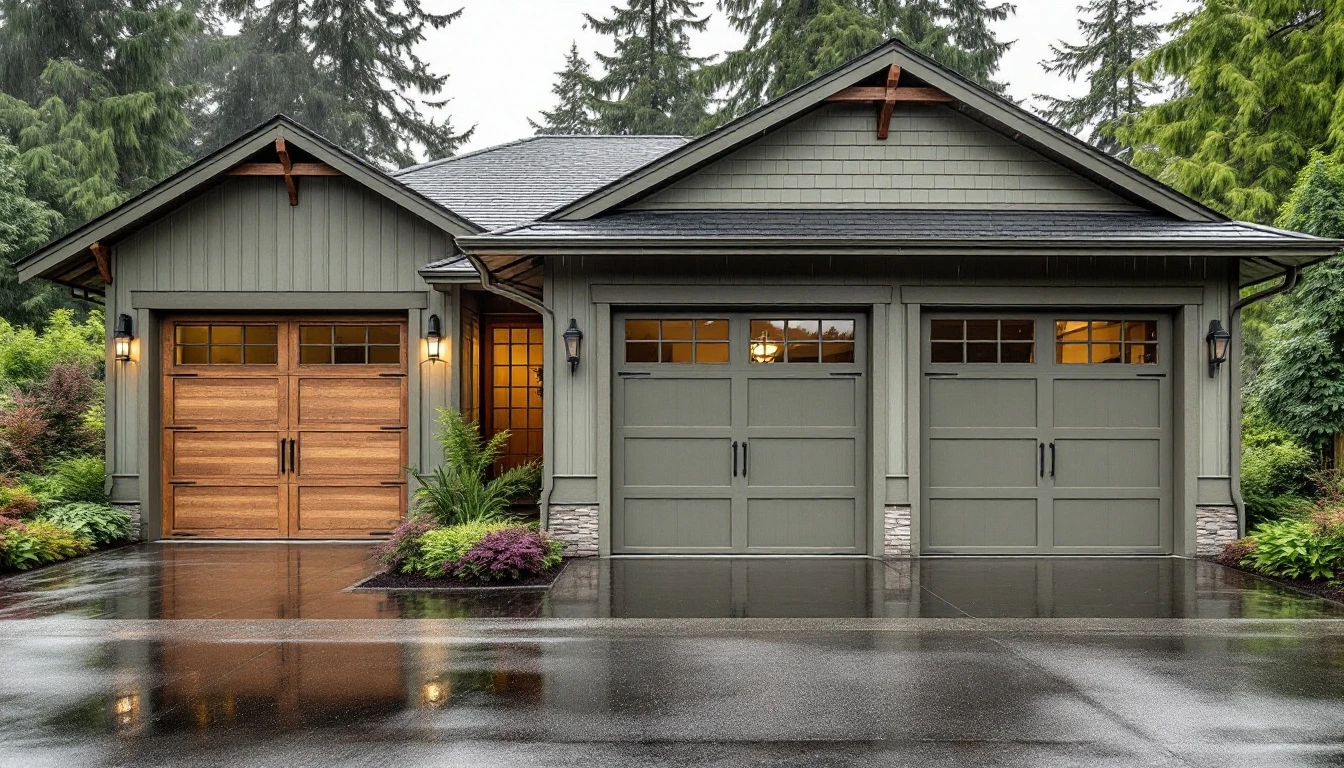
Use accent colors strategically for doors and trim to add visual depth without overwhelming the aesthetic. Portland’s understated design sensibility favors subtle contrast over bold statements. A sage green home might feature a deep forest green door, while a warm gray could pair with charcoal trim—choices that enhance architectural details and boost curb appeal without shouting for attention.
Validate your selections by evaluating color undertones against your specific lot conditions. Does your home face north with limited direct sun, or does it receive afternoon light that intensifies warm tones? Test samples on different wall orientations and observe them during overcast mornings and sunny afternoons. This validation step catches mismatches before you commit to gallons of paint, protecting both your investment and your home’s appearance.
Spring Color Trends in Portland Metro
Spring 2026 color trends in Portland reflect the Pacific Northwest’s natural palette while modernizing traditional homes. Soft greens, warm grays, and muted blues align with the region’s moss-covered landscapes and rain-washed skies, creating exteriors that feel native to the environment. These spring home painting color trends work particularly well on Craftsman homes in Hawthorne and Irvington, where they honor historical character while refreshing curb appeal.
Deeper forest tones and charcoal grays are trending for trim and accent elements, especially on homes surrounded by Portland’s evergreen backdrop. Mid-century ranch homes in Eastmoreland benefit from these darker accents paired with warm whites on siding, creating the clean contrast that defines the era’s aesthetic. Contemporary homes in newer developments like Progress Ridge and Happy Valley embrace warm whites and cream tones for modern simplicity that respects neighborhood cohesion.
The region’s diffused spring light makes these palettes particularly effective. Soft greens maintain their warmth on overcast days without appearing flat, while muted blues shift subtly between morning fog and afternoon sun. Portland’s architectural diversity means color trends adapt to context—what works on a 1920s bungalow in Sellwood differs from a 2015 build in Bull Mountain, but all trending palettes share one trait: they enhance curb appeal by working with the market rather than against it.
Evaluating Colors Before Committing
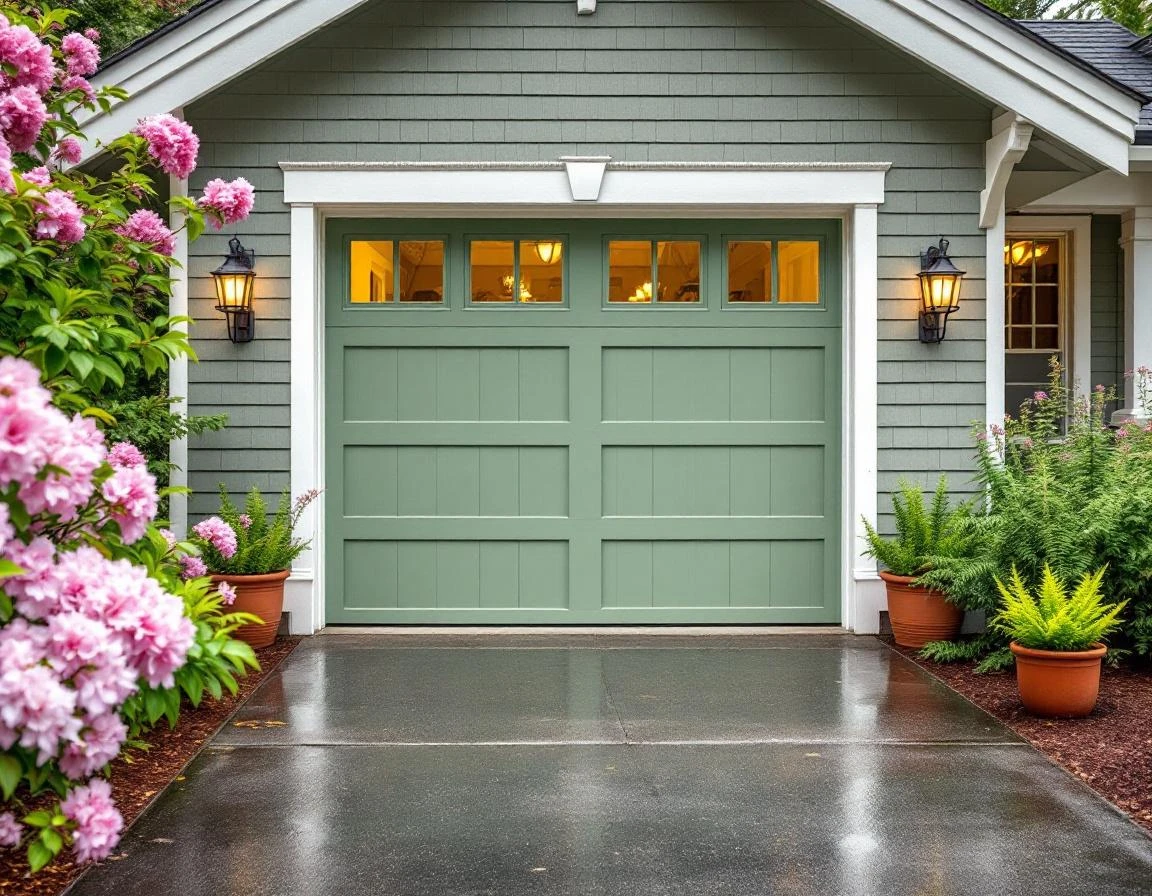
Before you pick up a paintbrush, invest in sample sizes of your top color choices. Paint 2-3 foot test patches on multiple walls—north-facing, south-facing, and at least one side that gets direct afternoon sun.
This preliminary step is a worthwhile investment that prevents the costly mistake of repainting an entire home in a color that looked perfect on a tiny chip but disappointing at full scale.
Observe your samples for 3-5 days across Portland’s varied spring conditions. Check them on bright mornings when low-angled sunlight reveals undertones, during overcast afternoons when colors often appear cooler and more muted, and even at dusk when shadows change everything. You’ll notice shifts that a quick glance never reveals.
Step back and evaluate how your samples interact with trim color, roofing material, and landscaping. Does the green you love clash with your evergreen foundation plantings? Does it harmonize with neighboring homes in your street, or create jarring contrast? In Portland’s older neighborhoods—particularly areas like Irvington, Laurelhurst, and Ladd’s Addition—check whether historic overlay zones or neighborhood design guidelines restrict color choices. A quick call to your city’s planning department prevents permit delays later.
From Selection to Project Launch
Once you’ve selected your colors and validated them against Portland’s spring light, it’s time to move from decision to action. April presents the ideal launch window—contractors maintain availability before the late-spring rush, and weather patterns offer consistent conditions through June for application and curing.
What does a realistic timeline look like? Budget 10-14 days minimum for the complete process. Surface preparation demands special attention in Portland’s moisture-heavy climate:
- Power washing removes mildew
- Scraping addresses failing paint
- Priming seals vulnerable wood surfaces
Skipping these steps invites premature failure when fall rains return.
Schedule your contractor consultation now while April calendars remain open. Spring demand peaks in late March and April as homeowners across the Portland metro recognize the same weather advantage. Projects launched in April complete with adequate curing time before June rainfall increases and before summer heat exceeds ideal application temperatures.
Ready to transform your home’s curb appeal this spring? Contact us today to discuss your exterior painting project and secure your spot in the ideal weather window.




Leave A Comment