


Longview Winter Conditions & Spring
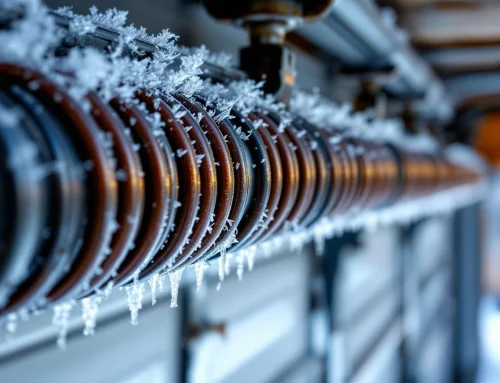
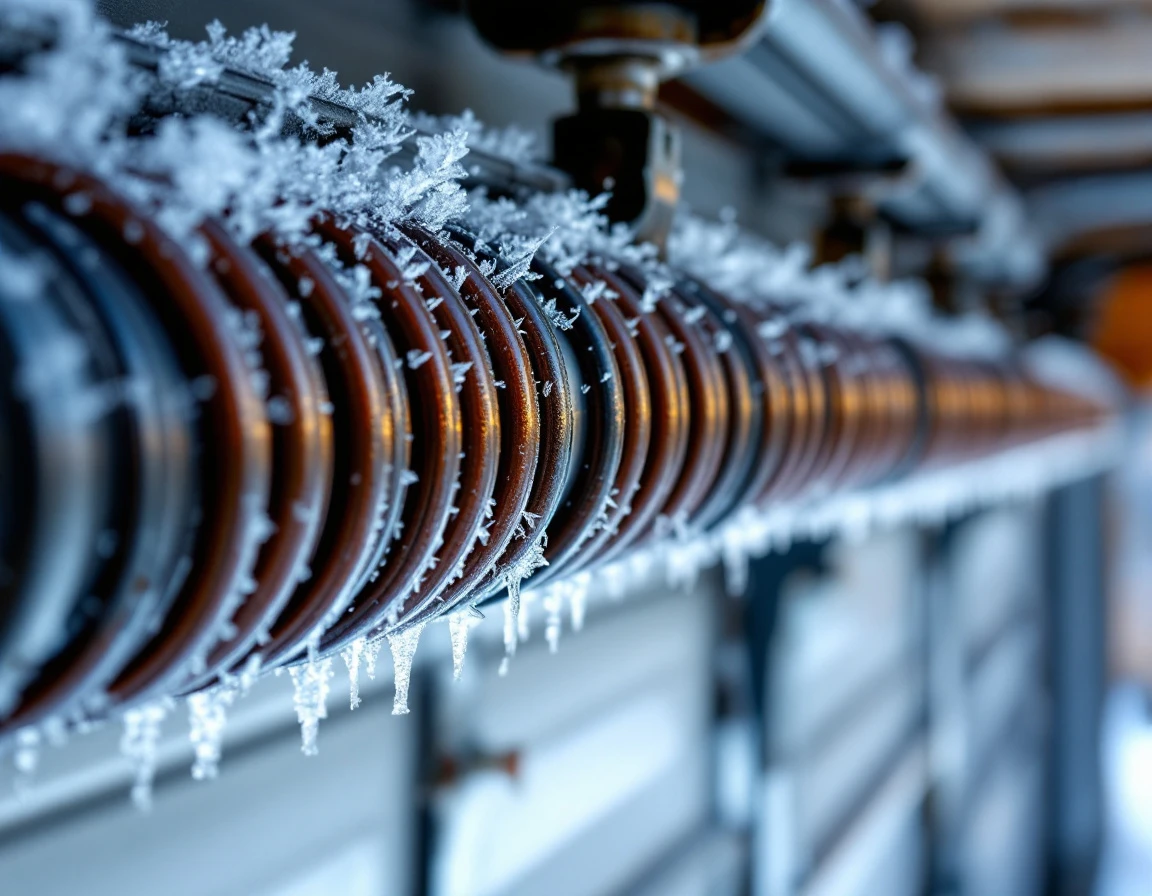
Longview’s winter creates a perfect storm for garage door spring failure in winter conditions. While temperatures hover between 32 and 45 degrees Fahrenheit, it’s not the cold itself that breaks springs—it’s the constant back-and-forth. Each morning, metal contracts as temperatures drop. Each afternoon, the steel expands again as things warm up. This daily cycling repeats throughout winter, and every cycle weakens the molecular structure of your torsion springs.
The region’s persistent moisture makes this worse. Unlike drier climates where springs might survive more cycles, Longview’s damp air accelerates the fatigue process. Compare this to Portland: while both cities experience cold winters, Longview sees more aggressive freeze-thaw cycles due to its position at the confluence of the Cowlitz and Columbia Rivers. The humidity holds temperature changes longer, creating slower, more damaging expansion and contraction patterns.
Why does late winter bring the most failures? By February and March, your springs have endured months of cumulative stress. Each cycle has created microscopic cracks in the steel coils. The spring that worked fine in November is now hanging by a thread—literally. One morning, you press the button, hear a bang, and discover you can’t open your garage door.
This isn’t random bad luck. It’s predictable metal fatigue driven by wear and regional climate patterns that generic winter garage door advice doesn’t account for.
How Freeze-Thaw Cycles Weaken Spring Steel
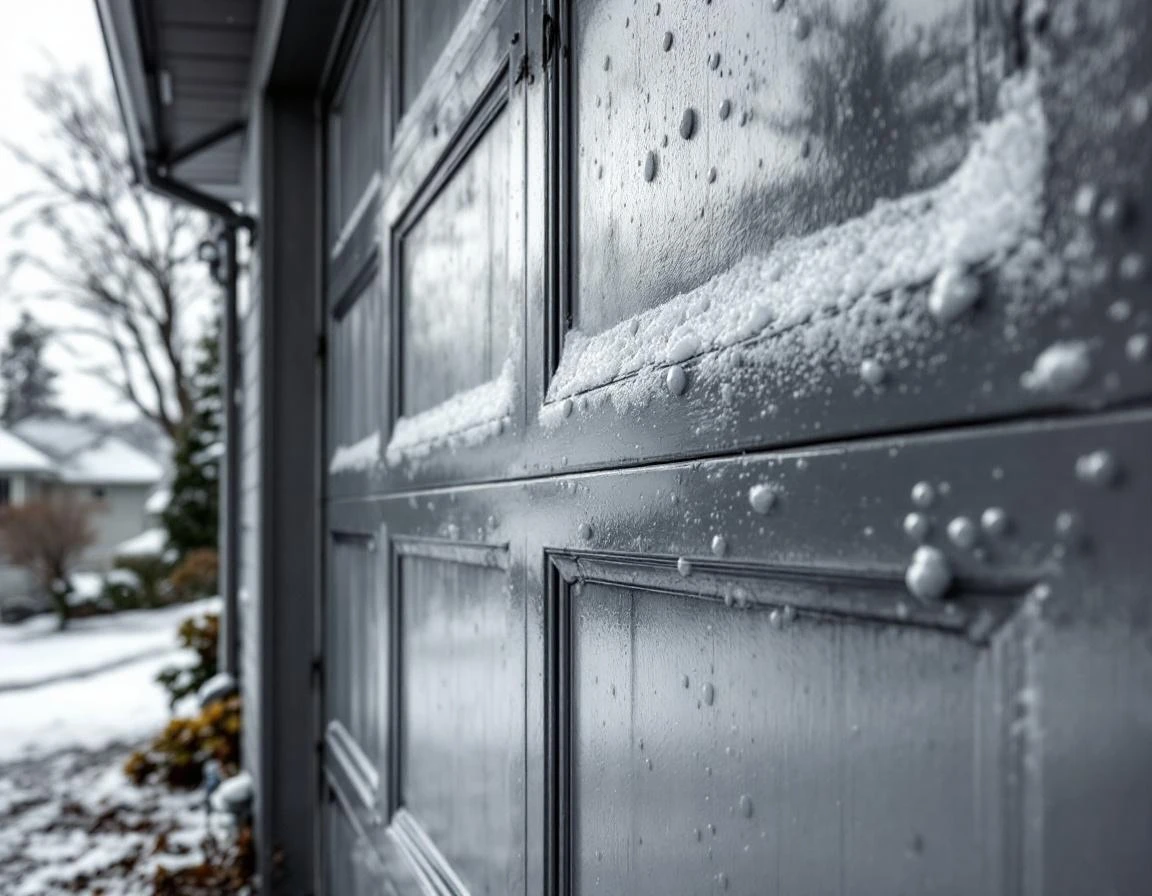
Think of repeatedly bending a paperclip back and forth—eventually, it snaps at the stress point. That’s essentially what happens to your garage door springs during freeze thaw cycles garage door springs in Longview, except the stakes are much higher. Torsion springs operate under extreme tension. Typically bearing over 200 pounds of force per coil. Each freeze-thaw cycle causes the metal to expand when wet and contract when temperatures drop, creating microscopic stress fractures deep within the steel coils.
Here’s what makes Longview’s climate particularly destructive: moisture accelerates rust formation at these micro-fracture sites. With 40-50 inches of annual rainfall concentrated in winter months, springs never fully dry. Water penetrates invisible cracks in the metal surface, initiating corrosion from the inside out. By late February or March, springs that looked perfectly fine in November harbor structural damage homeowners can’t see.
Watch for these red-flag warnings that internal damage has progressed:
- Squeaking sounds when the door operates
- Visible sagging on one side
- Noticeably slower opening speeds
These aren’t minor annoyances—they’re structural failures in progress. When one spring breaks, the door can drop catastrophically. Crushing vehicles or causing serious injury. A 300-pound door becomes a projectile without functional springs to control its descent.
This is why professional replacement isn’t optional. The damage occurs at the molecular level, invisible until failure. DIY spring replacement puts you inches from 200+ pounds of tensile force—enough to cause life-threatening injuries if the spring releases unexpectedly.
Early Warning Signs Before Catastrophic Failure
Your garage door is trying to tell you something before it fails completely. That squeaking or creaking sound when the door opens? It’s not just an annoyance—it indicates your springs are under stress from the accumulated damage of repeated freeze-thaw cycles. Each cycle this winter has created microscopic fractures, and now your door is announcing that those cracks are spreading.
A sagging door or uneven opening reveals imbalanced spring tension—one spring is weakening faster than its partner. When your door rises more slowly than it did in November, that reduced opening speed signals progressive spring fatigue. These aren’t minor quirks to ignore.
Here’s what matters most:
these warning signs typically appear 2-4 weeks before complete spring break. You’re watching the spring’s breaking point approach after months of accumulated winter damage. Every cycle from here forward pushes the metal closer to catastrophic failure—and that failure could happen mid-cycle, leaving your car trapped or your family exposed to security risks.
Why DIY Replacement Is Dangerous in Longview
The math on DIY garage door spring replacement seems appealing until you understand what you’re working with. Torsion springs store more than 200 pounds of tension per coil—energy that releases with violent, bone-breaking force if installation goes wrong. These aren’t springs that simply droop when they fail; they snap with enough power to shatter car windows or cause serious facial injuries.
Even if you avoid immediate injury, improper installation creates cascading problems. When springs aren’t balanced to precise torque specifications, one side bears excessive load while the other operates below capacity. The overloaded spring fails prematurely—often within months—forcing you to call professionals anyway after spending money on parts and tools. In Longview’s moisture-heavy climate, this problem compounds quickly because standard hardware store springs lack the corrosion-resistant coating that professional-grade springs require.
The cost comparison favors professional service when you factor in risk. Emergency room visits for spring-related injuries run thousands of dollars, and homeowner’s insurance rarely covers DIY project injuries. Professional spring replacement includes balanced installation, climate-appropriate springs rated for Pacific Northwest humidity, and warranty coverage. When you consider that improper installation typically requires professional correction within the first year, attempting DIY replacement becomes the expensive choice—not the economical one.
Professional Replacement Cost & Timeline
Spring replacement in the Longview WA garage door spring replacement market is an investment that covers far more than just parts. Professional service includes proper spring selection for your door’s weight, complete balancing to prevent motor strain, and safety testing to verify secure operation. That price reflects years of expertise and liability coverage that protect you from installation errors.
Late winter creates scheduling pressure as failure rates spike. Many Longview companies offer emergency same-day service for failed springs, recognizing that a non-functional garage door creates immediate security and access problems. Most professional replacements take 1-2 hours, and your door operates normally the moment the technician finishes.
Compare this timeline and certainty to DIY attempts that risk injury, require specialized tools, and often result in callbacks to professionals anyway—usually at higher total cost after initial damage.
Longview Spring Replacement: Next Steps
If you’re reading this in March 2026, now is the time to act. Schedule a professional spring inspection within the next 2-4 weeks, before late spring and summer when garage door usage peaks and failures become most disruptive. Garage Harmony offers free inspections that take just minutes and can identify corrosion, balance issues, and micro-fractures before they strand you in your garage with a door that won’t budge.
During your inspection, request that technicians test your springs for balance and check for corrosion—especially critical in Longview’s moisture-heavy climate. Ask about corrosion-resistant spring coatings designed specifically for cold weather conditions. These upgrades add minimal cost but extend spring life in our wet winters.
Document the condition of your springs and any replacement date for warranty purposes and future reference. This simple record helps you track your garage door’s maintenance history and plan ahead. Contact us today to schedule your free spring inspection and prevent a catastrophic failure before it happens.


Leave A Comment