

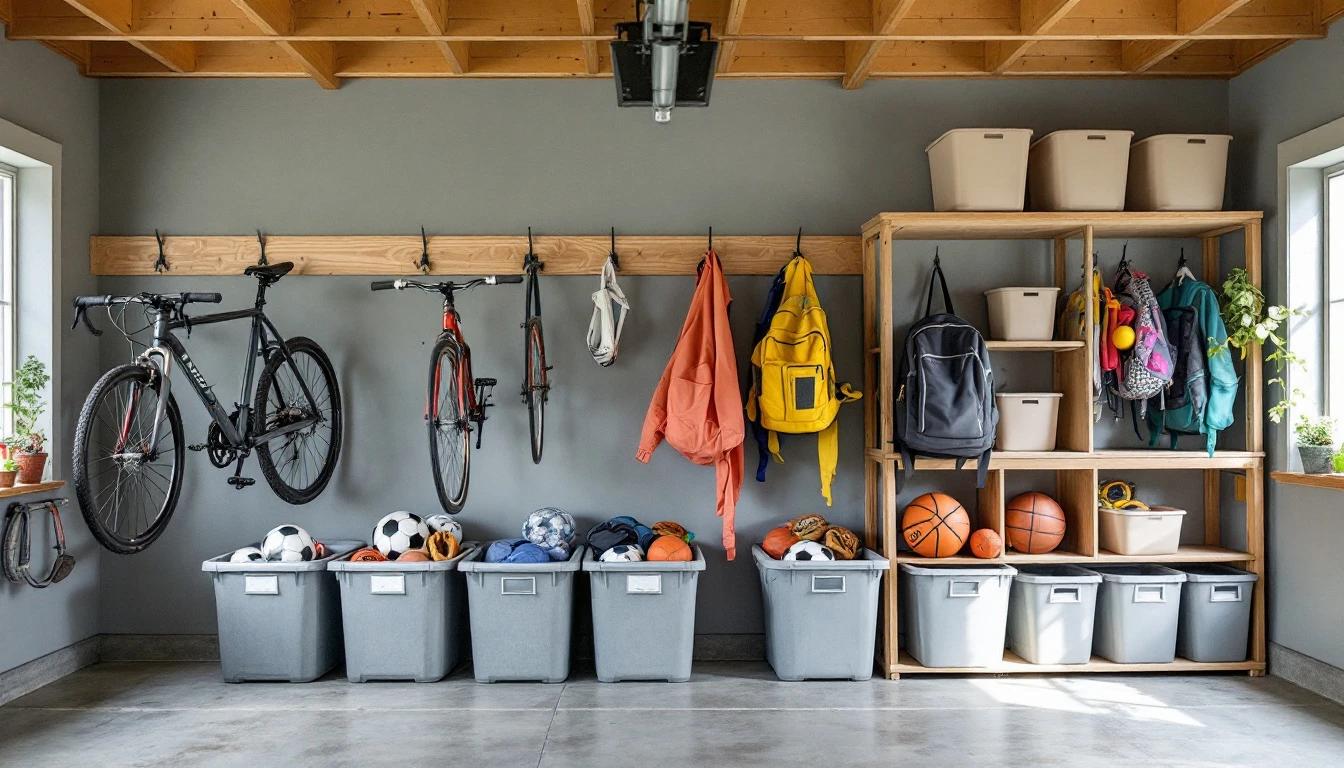
Garage Clutter and Back-to-School Pressure
If you live in Portland’s older neighborhoods, you’re probably familiar with the reality of smaller garage footprints. Many homes built in the mid-20th century feature garages that measure just 12 by 20 feet—barely enough room for one car, let alone the mountain of equipment modern families accumulate. These Pacific Northwest garages weren’t designed with today’s storage demands in mind, and finding effective garage storage for sports gear and bikes becomes essential when space is tight.
August brings a perfect storm of clutter when three major item categories collide. Sports gear from summer leagues needs a home alongside bikes that still get daily use in Portland’s temperate climate. At the same time, school supplies, backpacks, and project materials start piling up before fall classes begin. Without a clear system, these items compete for the same floor space.
When storage happens haphazardly, you’re constantly moving things around to access what you need. That hockey stick blocks the lawn mower. Backpacks end up buried under camping gear. This shuffling creates tripping hazards and wastes precious time during busy morning routines.
A tiered zone-based system solves this annual chaos without expanding your garage or hiring contractors.
Zone-Based Storage Framework for Sports Gear and Bikes
The three-zone method forms the structural backbone of a functional garage storage system. By dividing your garage into three distinct areas—bikes and outdoor sports equipment, school supplies and backpacks, and seasonal gear—you create dedicated homes for each category. This approach eliminates the cascading problem of moving five items just to reach the one you actually need.
How does zoning work in a typical Portland-area garage? Most garages in the metro area measure between 400 and 500 square feet, which gives you enough room to anchor each zone to a specific wall or corner. Bikes and outdoor sports gear typically claim one side wall where vertical bike hooks and ball storage keep wheeled items off the floor. School supplies occupy a high-traffic zone near the door leading into the house, making morning backpack grabs quick and predictable. Seasonal equipment—camping gear, holiday decorations, winter sports items—takes the back wall or overhead space, staying accessible but out of daily circulation.
Each zone operates independently. When your daughter needs her soccer cleats, she walks directly to the sports zone without navigating around holiday bins or shifting bike racks. When your son grabs his backpack in the morning, he doesn’t disturb the camping gear stacked in the seasonal zone. This independence matters because it transforms retrieval from a multi-step negotiation into a single action.
Zone boundaries stay fixed throughout the year. Unlike seasonal rotation systems that require periodic reorganization, the three-zone framework remains constant. Bikes always live in the same spot whether it’s January or July. School supplies don’t migrate during summer break—they simply wait in their designated zone until late August. This predictability means every household member knows exactly where to find what they need, reducing morning chaos and eliminating the “where did we put the helmets?” conversation.
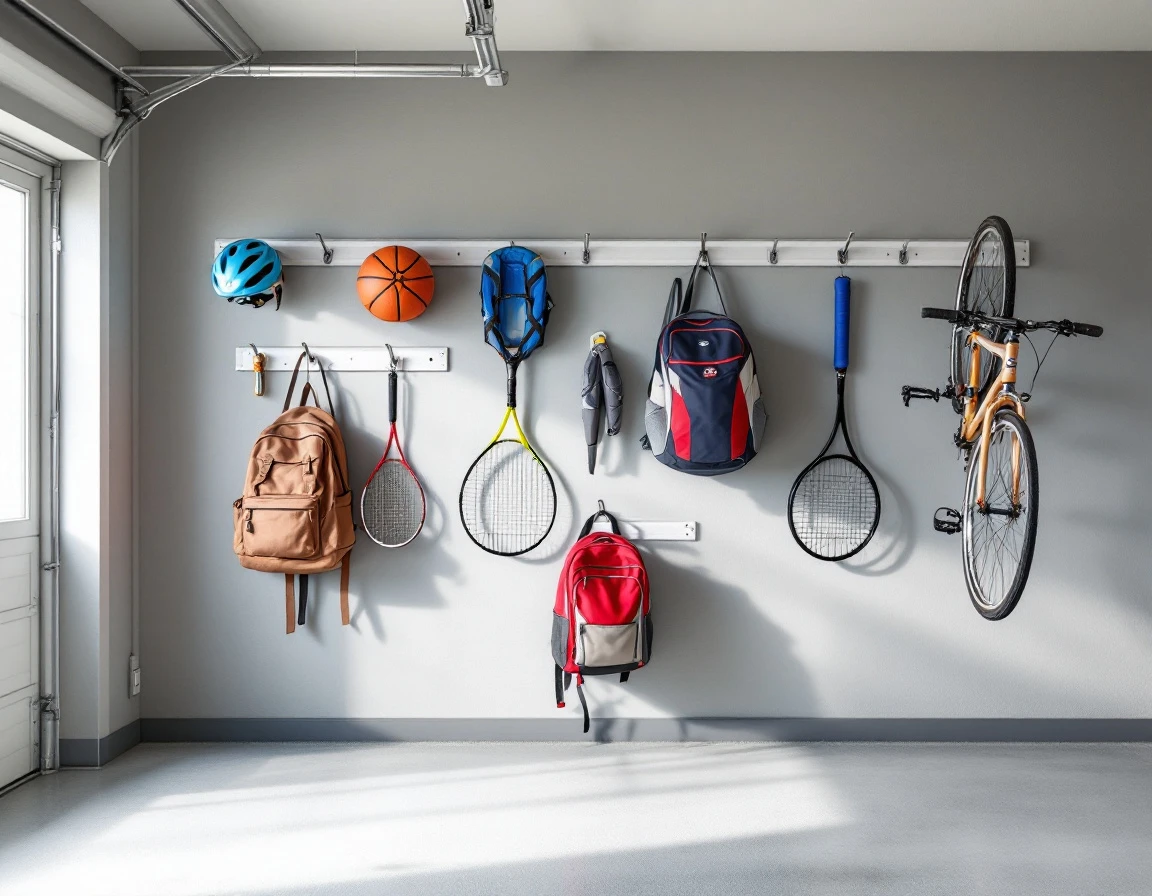
Zone 1: Bikes and Outdoor Sports
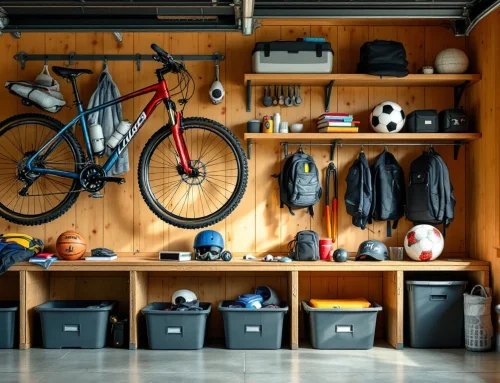
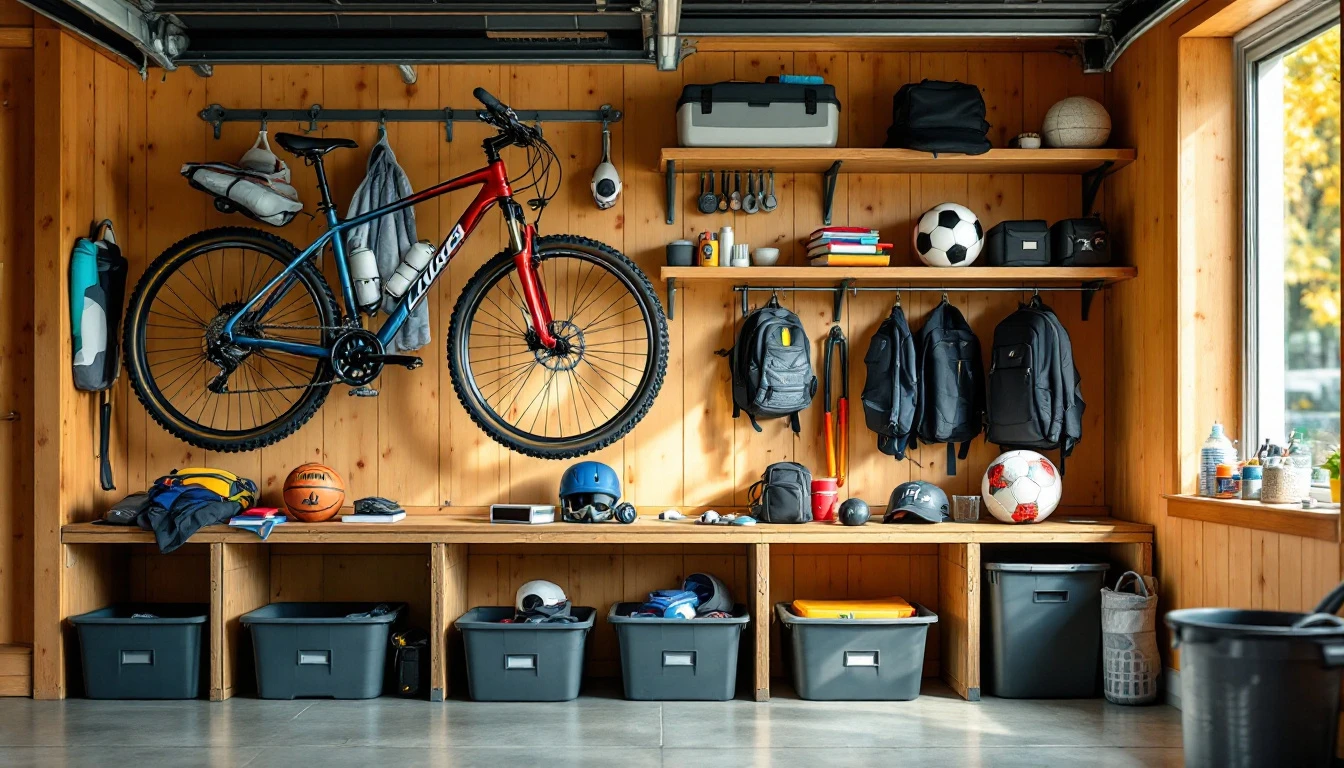
Your first zone tackles the bulkiest challenge: bikes and outdoor sports equipment that need to stay ready for weekend rides and fall soccer practice. Wall-mounted storage is your best friend here, especially in Portland garages where stud spacing follows standard 16-inch centers in wood-framed homes or requires concrete anchors in older masonry construction.
Wall-mounted bike racks and heavy-duty hooks lift bikes off the floor and make them visible at a glance. Horizontal bike hooks cost around $15-25 per bike and work well for lighter kids’ bikes. While vertical wall racks ($30-50 each) handle adult bikes without taking up precious floor space. For concrete walls common in mid-century Portland garages, you’ll need masonry anchors ($8-12 per pack) rated for 50+ pounds. These systems install without permanent damage—just fill the holes with concrete patch when you move.
DIY Shelving That Adapts to Your Needs
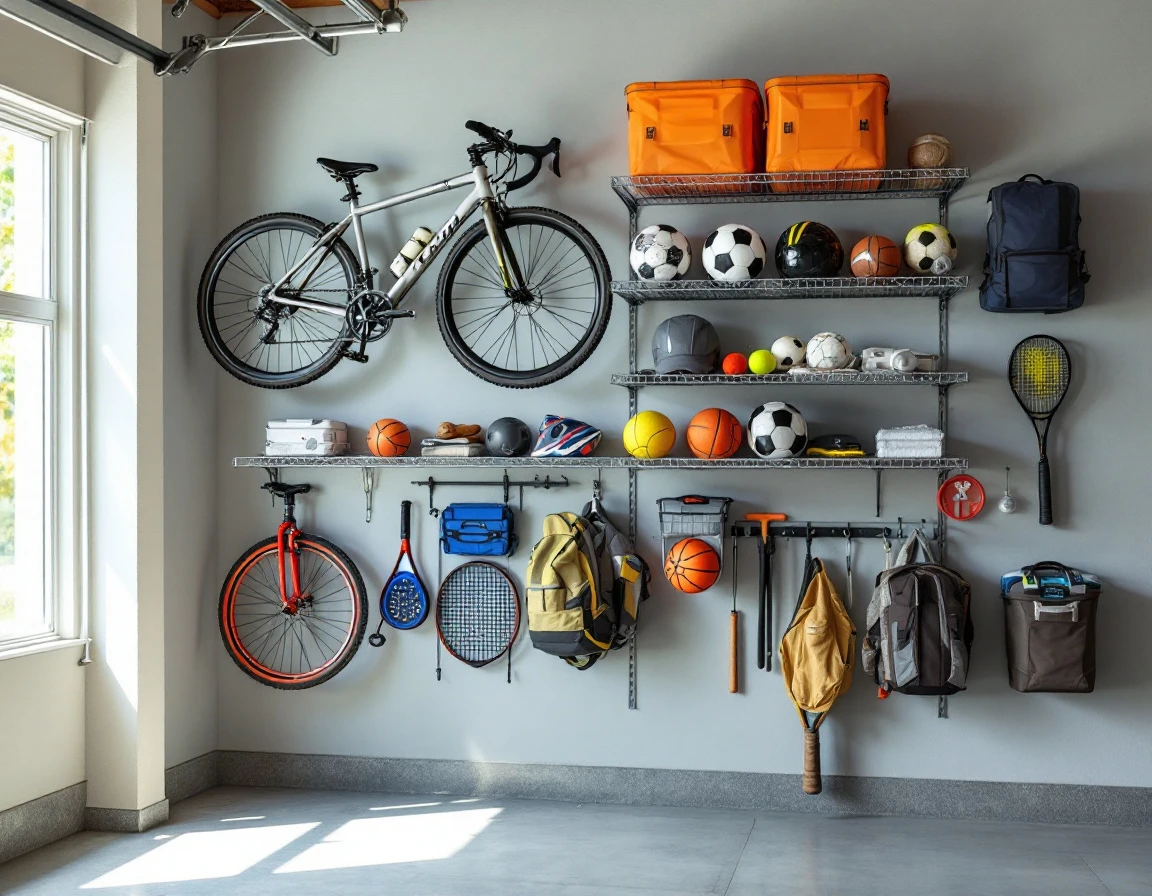
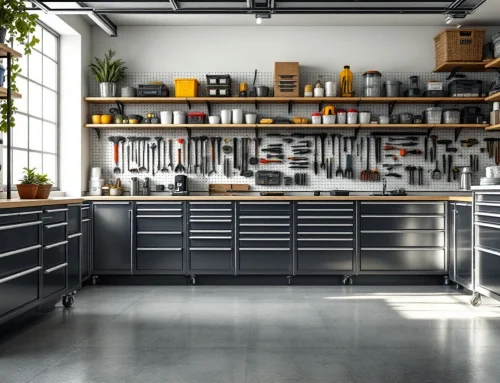
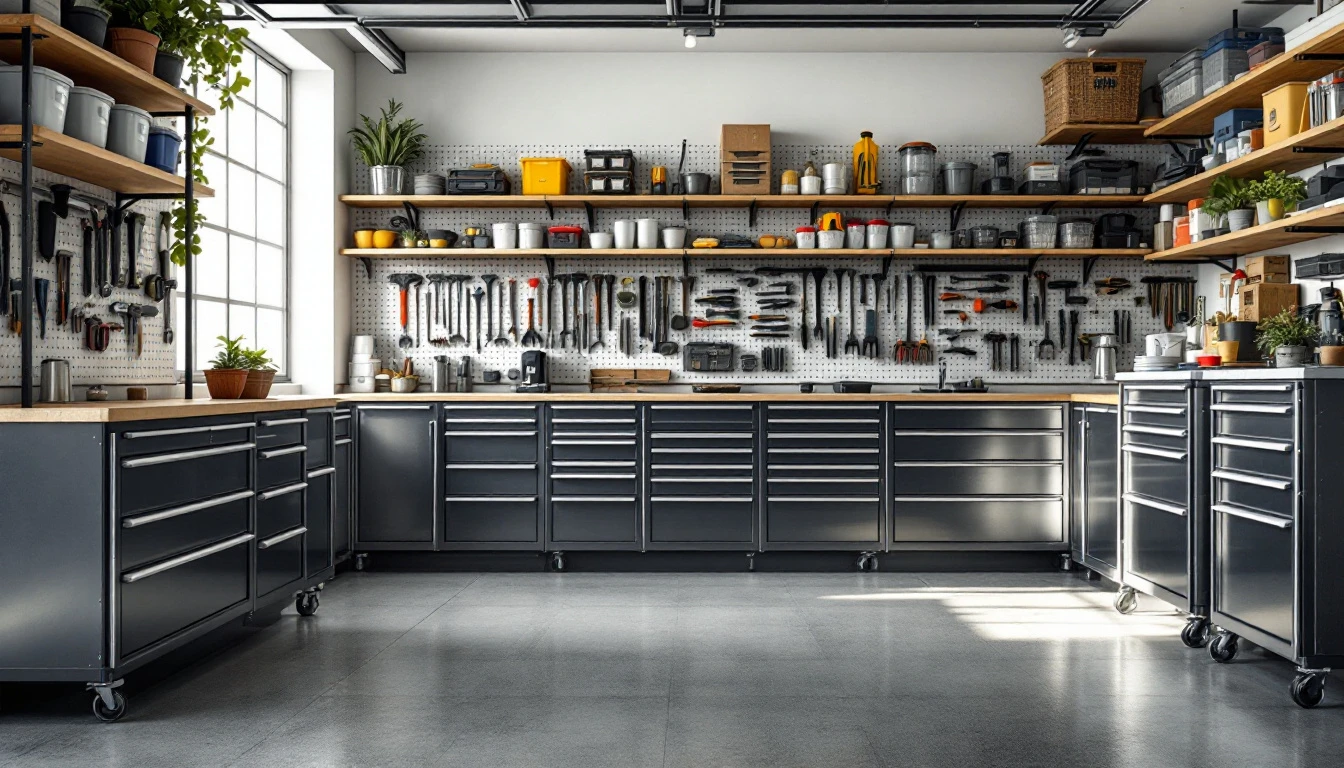
Adjustable wall-mounted bracket systems let you reposition shelves as gear changes from season to season. Heavy-duty steel brackets hold bins of soccer cleats, helmets, and camping equipment, while pipe shelving made from galvanized plumbing parts adds an industrial look without requiring carpenter skills. Both options mount to studs or concrete and come down cleanly if your storage needs shift.
Rotation Strategy for Active Gear
Keep fall sports equipment—cleats, shin guards, footballs—on lower shelves at arm’s reach during active months. Off-season gear like snowboards or summer kayaking equipment moves to upper shelves. This rotation takes just 20 minutes twice a year and prevents the daily frustration of digging through irrelevant items.
Pacific Northwest humidity is your enemy. Mount everything with at least a 2-inch air gap behind items touching walls. Check for moisture buildup monthly during winter, especially if your garage lacks climate control. Pegboard systems keep smaller items like bike pumps and sports balls visible while allowing air circulation that prevents mildew on expensive gear, and they remain affordable for most homeowners.
Zone 2: School Supplies Storage
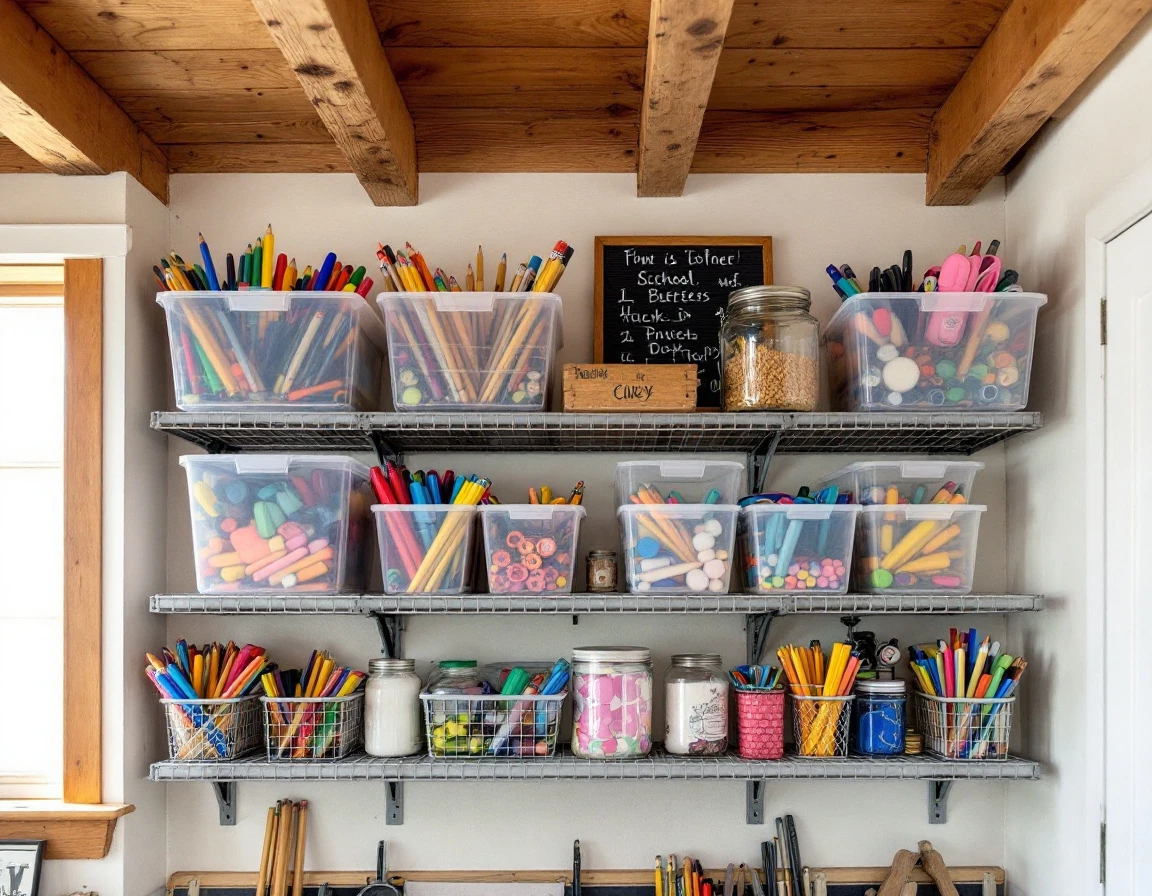
Mid-height shelving positioned between 36 and 48 inches from the floor creates the perfect location for school supply storage. This placement keeps bins visible and reachable for both parents and children, eliminating the need to climb ladders or crouch on concrete floors during the August back-to-school rush. Unlike floor-level bins that get buried under seasonal items or high shelves that waste prime real estate, mid-height storage balances accessibility with space efficiency.
What makes this zone work for multi-child households? Color-coded labeling systems transform generic bins into identifiable storage. Assign each child a color—blue labels for one child, green for another—and apply these consistently across all containers. Text labels work well for specific categories like “Math Supplies” or “Art Materials,” while QR codes attached to bin fronts can link to detailed inventory lists on your phone. Vertical labeling on bin edges means you can identify contents even when containers are stacked.
Keeping school supplies separate from seasonal gear eliminates the frustration of excavating through winter coats to find pencils in late August.
This dedicated zone maintains clear boundaries year-round, preventing the overflow that happens when supplies migrate to “temporary” spots on workbenches or car trunks.
Schedule an annual rotation each summer before back-to-school shopping begins. Pull every bin, discard dried-up markers and broken scissors, and take inventory of what remains. This baseline prevents duplicate purchases and stops expired items from accumulating. Return only current supplies to Zone 2, creating a clean slate that supports your family through another school year without clutter creep.
DIY Garage Shelving and Zone Installation
Ready to transform those organizational plans into actual shelving? The installation process is more accessible than most Portland homeowners expect. With basic tools and a weekend afternoon, you can create a functional storage system without hiring contractors or pulling permits.
Wall-mounted bracket systems offer the most cost-effective path forward. French cleats distribute weight evenly across studs, making them ideal for heavier bins of sports equipment. Traditional L-brackets work well for lighter school supply shelves. Both options require a drill, level, stud finder, and about 2-4 hours per zone. In older Portland homes with concrete foundations, you’ll need masonry anchors rated for your shelf’s weight capacity—typically 3/16-inch tapcons for loads under 50 pounds per bracket.
Pipe shelving systems deserve consideration if you anticipate future changes. Using galvanized steel pipes as uprights and flanges secured to wall studs, these assemblies resist Pacific Northwest moisture while allowing height adjustments without creating new anchor holes. The industrial aesthetic appeals to many homeowners, and the open framework promotes air circulation around stored items.
Freestanding metal shelving units eliminate wall penetration entirely, making them perfect for renters or those hesitant about drilling. Position these against walls for stability, particularly in Zone 3 where heavier seasonal equipment lives.
Budget $200-$400 per zone depending on materials. A typical Zone 1 bike wall might cost $250 for brackets, lumber, and hardware, while Zone 2’s school supply shelves often run closer to $180 using prefabricated components.
Seasonal Rotation and Year-Round Access
Once your zones are in place, seasonal transitions become quick maintenance tasks rather than exhausting weekend projects. The beauty of this system is that you’re not moving entire garage sections—you’re simply adjusting what lives at arm’s reach versus upper storage within each zone.
When summer shifts to fall, active sports gear moves from upper shelves down to accessible height in Zone 1. Soccer cleats, footballs, and rain jackets get promoted to the primary hooks and lower shelves, while beach toys and camping equipment migrate upward. This takes minutes per zone because every item already has a designated home—you’re just swapping vertical positions.
School supplies in Zone 2 maintain their consistent mid-height placement year-round. The only change happens before August, when you audit inventory and restock essentials. No shuffling required—just a quick check of what needs replacing.
Off-season items like winter sports equipment and holiday decorations belong on upper shelves or back wall storage during their dormant months. When December arrives, you’re not excavating through random bins. You know exactly where the winter gear lives, and bringing it down is a five-minute task.
A simple quarterly audit schedule keeps the system running smoothly: August for back-to-school preparation, November before holiday storage needs, February for winter-to-spring transitions, and May before summer gear activation. Each audit identifies unused items that can be donated or discarded, preventing the gradual overflow that defeats most garage organization attempts. Portland’s distinct seasons make these checkpoints natural reminders to maintain what you’ve built.
Protecting Gear from PNW Moisture
Portland’s persistent humidity creates unique challenges for garage-stored equipment. Bikes develop rust on chains and components, while sports gear absorbs moisture that leads to mold and unpleasant odors. The zoned wall-mounted storage system addresses this directly by creating critical air gaps between items and walls, allowing circulation that prevents moisture accumulation.
Concrete garage floors naturally wick dampness upward, especially during fall and winter months. Protect your investment with inexpensive moisture barriers like shelf liners or plastic sheeting beneath bikes and equipment. These simple additions create a protective layer that keeps condensation from reaching metal frames and fabric gear.
Prevention works best when you catch problems early. Monthly visual checks for condensation spots and mold growth take just minutes but save you from discovering ruined equipment when the season arrives. Look behind stored items and along wall contact points where moisture typically collects first.
Combat seasonal moisture buildup with passive ventilation—crack your garage door during dry afternoon hours—or add a dehumidifier during wet months. These low-cost solutions maintain the dry environment your organized zones need to function year-round.





Leave A Comment