When to Replace Garage Door: Lifespan Benchmarks
How long should your garage door last? The standard lifespan for most residential garage doors falls between 15 and 20 years under typical conditions. When to replace garage door often depends on your climate and maintenance habits. Doors installed in Portland’s wet climate often trend toward the lower end of that range. Persistent moisture from our rainy seasons accelerates rust on metal components, degrades weather stripping, and weakens wooden panels faster than in drier regions.
Age alone doesn’t tell the whole story, though. A well-maintained 18-year-old door with minimal repair history may still have several good years ahead, while a neglected 12-year-old door could already be showing serious wear. The combination of age, condition, and repair frequency gives you the clearest picture of where your door stands.
Once a garage door crosses the 20-year threshold, it becomes statistically more vulnerable to compound failures—especially during winter. Cold temperatures stress aged springs, moisture freezes in worn tracks, and older openers struggle with the increased load. These issues rarely occur in isolation; one failure often triggers others.
Knowing the year your door was installed gives you a powerful planning tool. Instead of facing an emergency replacement during a January storm, you can forecast your replacement timeline and budget accordingly.
Garage Door Repair Costs vs. Replacement: Understanding Your Options
Understanding the numbers behind your decision starts with Portland-area repair costs. A single repair—whether it’s a broken spring. Worn rollers, or track realignment—typically runs $150 to $400 during normal spring and summer months. But when your door fails during a cold December storm, those same repairs jump by 20 to 30 percent. And you’ll face the added frustration of limited contractor availability when everyone else is calling with the same emergency.
Full garage door replacement in the Portland market ranges from $1,200 to $3,500 installed. Depending on material choice and opener upgrades. Most homeowners land in the mid-range sweet spot: $2,000 to $2,500 for a quality steel door with modern insulation and a reliable opener. That’s your baseline for comparison.
Here’s the break-even logic: once your cumulative repair bills exceed 50 percent of replacement cost. You’ve crossed into replacement territory. If you’ve already spent $600 fixing springs and cables on a door that’s nearing the end of its lifespan, spending another $300 on a track repair doesn’t make financial sense when a full garage door replacement is $2,200. Add the winter emergency premium into the equation, and reactive repairs become even less appealing.
Proactive replacement during mild weather saves you money and stress. You avoid the winter penalty, secure better contractor scheduling, and eliminate the risk of being stuck with a non-functional door during Portland’s wettest, coldest months.
Red Flags Signaling Replacement Time
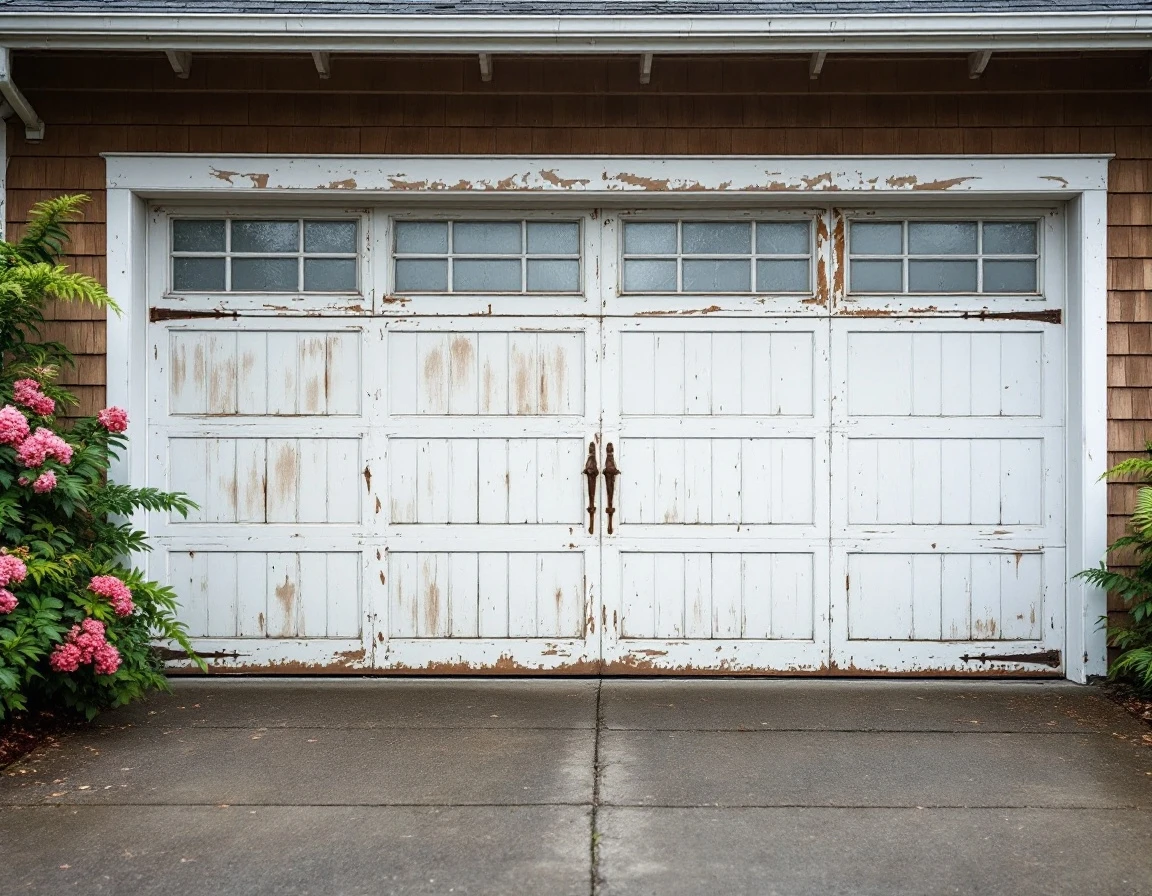
Certain warning signs tell you when a repair shifts from wise investment to throwing good money after bad. A broken torsion spring on a door over 15 years old is the classic example—yes, you can repair it, but you’re fixing one component on a system that’s already lived its expected lifespan. That repair buys you time, not permanence.
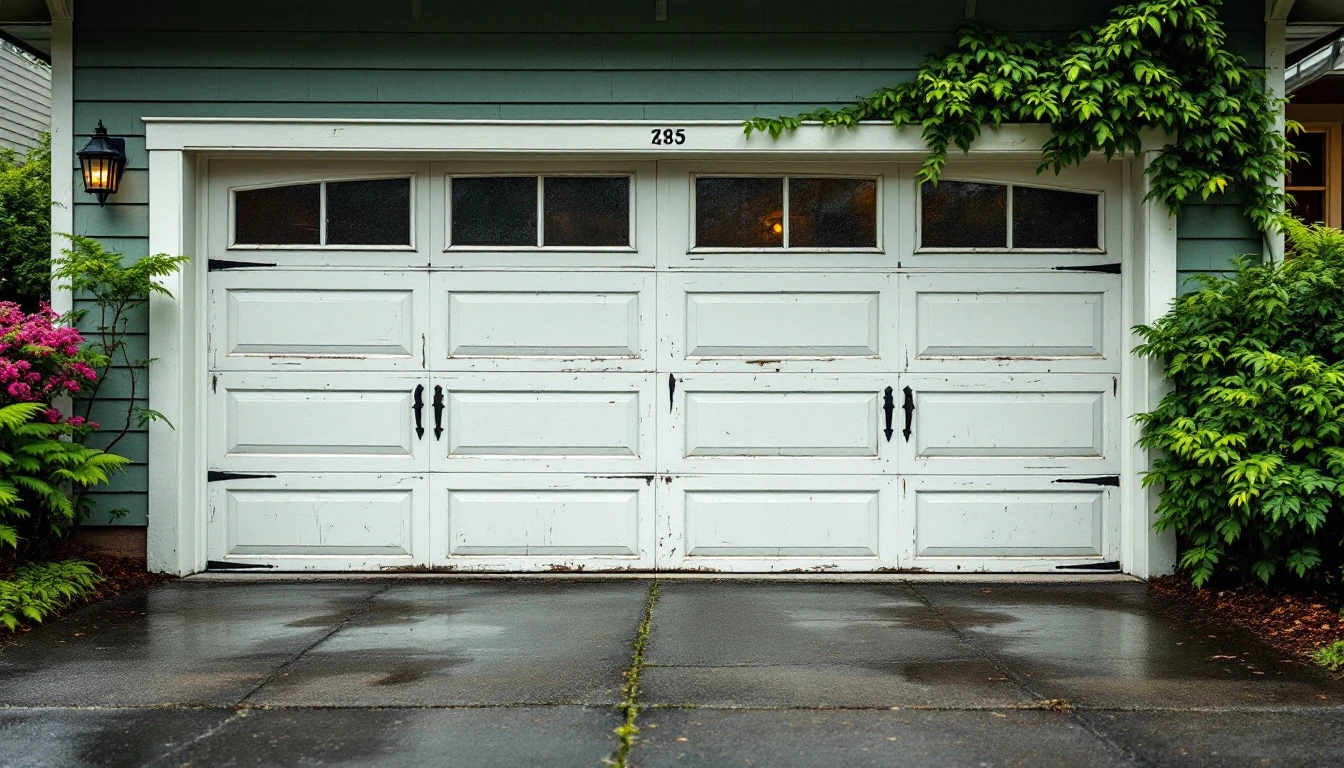
What about multiple failures happening at once? When you’re facing worn-out rollers, loose hinges, and cracked weatherstripping simultaneously, you’re not dealing with isolated problems. Symptom clustering reveals systemic degradation—the door has aged as a whole, and replacing individual parts won’t restore the reliability you need.
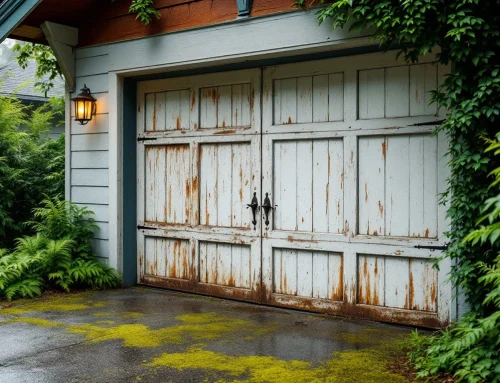
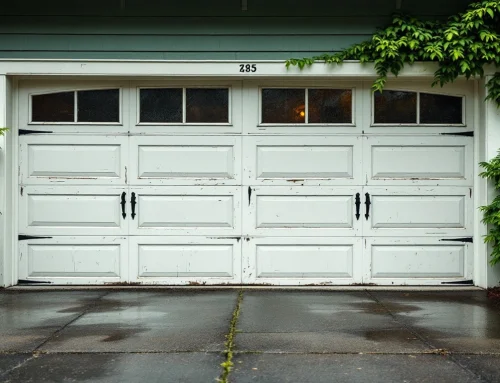
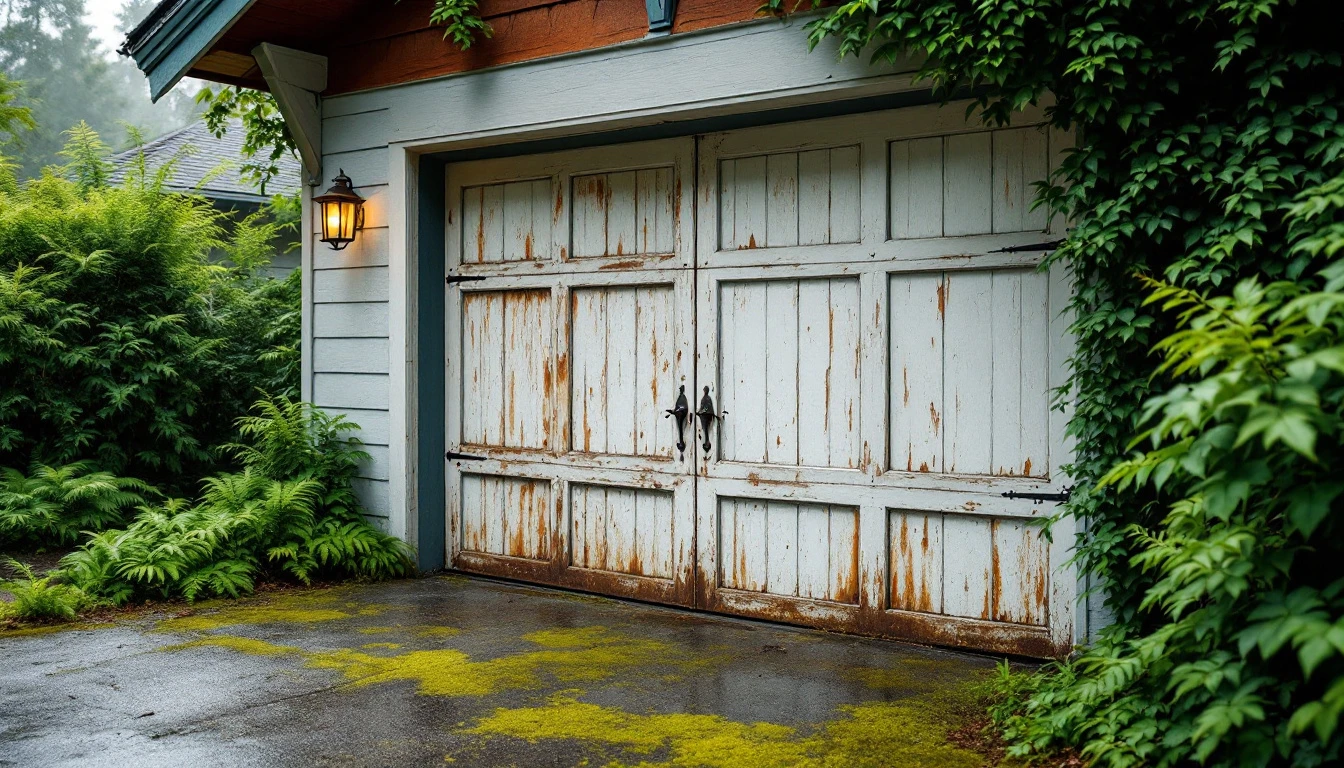
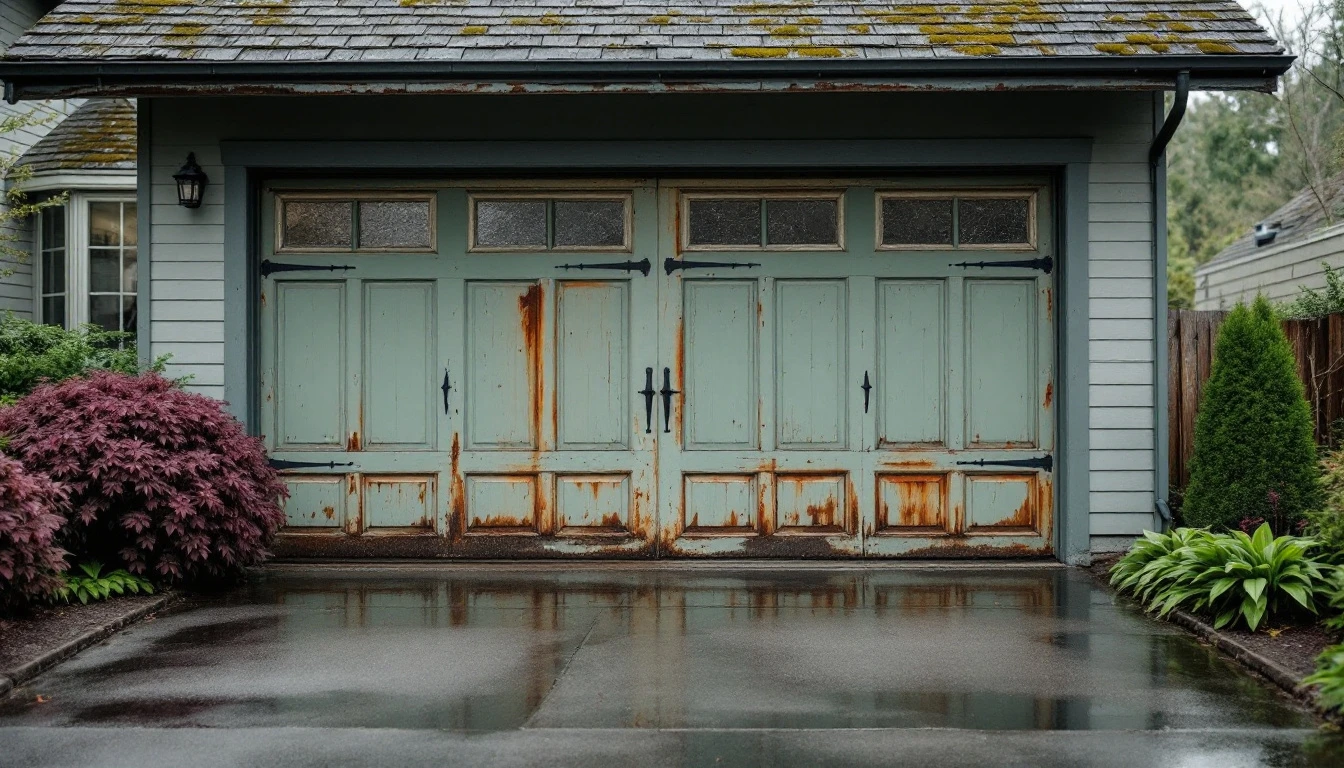
Age provides critical context for every diagnosis. A new door with a single broken roller? Repair it. A 17-year-old door with the same issue? That’s the beginning of a cascade, not an isolated incident. Visible rust, panel separation, or a struggling motor are signs your garage door needs replacement and indicate structural failure risk within the next year or two—and you don’t want to discover that risk when your door freezes shut during an ice storm.
Pay attention to the following warning signs:
- Noise, jerky movement, or slow opening cycles
- Visible rust on metal components
- Panel separation or structural damage
- Motor struggling or inconsistent performance
These symptoms point to component fatigue, and when combined with age, they forecast an emergency breakdown. A stalled door in freezing rain isn’t just an inconvenience—it’s a security gap and a safety hazard that leaves your home exposed.
Winter Failure Scenarios & Prevention
When temperatures drop, your garage door faces stress that can turn minor wear into catastrophic failure. Cold-weather contraction stresses already-weakened springs and hinges, while freezing moisture can lock tracks or seize rollers overnight. What worked fine in October may refuse to budge in January.
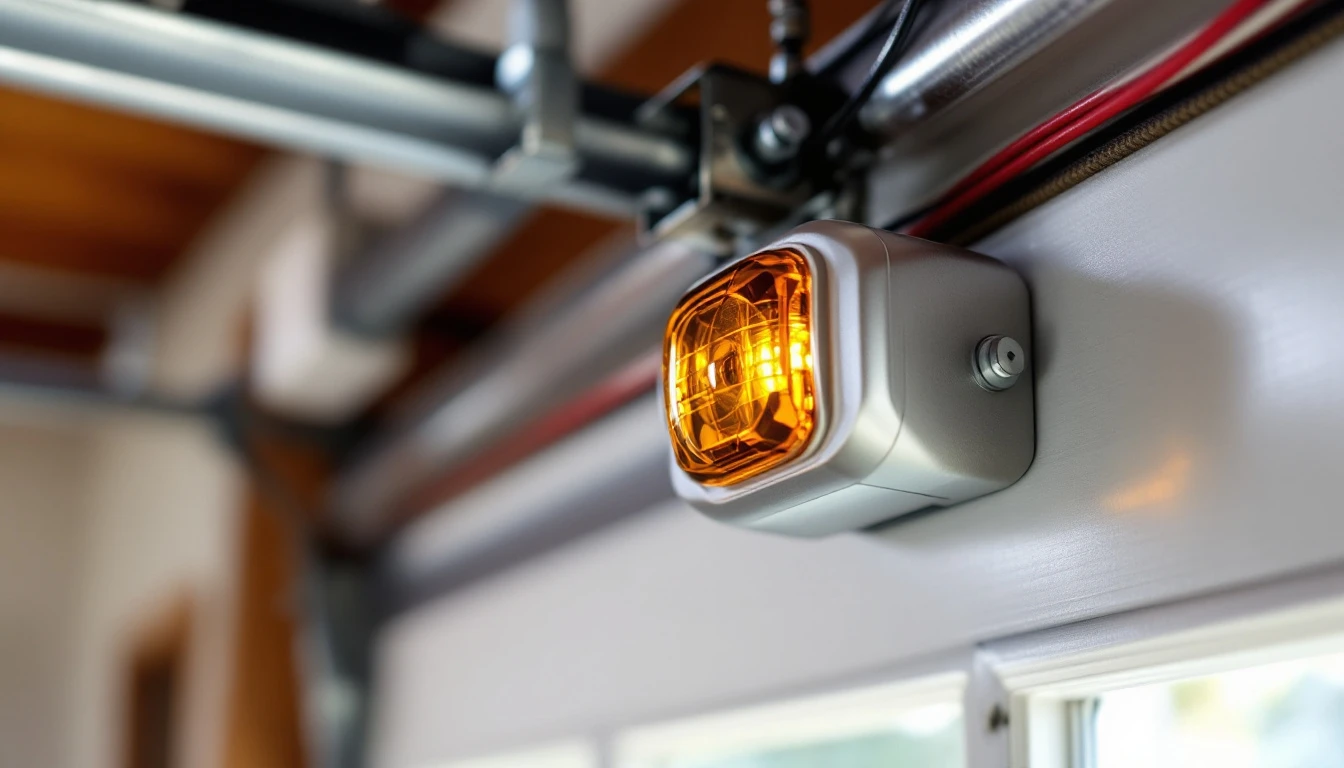
Aging openers lose power efficiency in cold conditions, struggling to lift doors they handled easily in warmer months. Battery-backup systems in older units may not function reliably when you need them most during winter storms and power outages.
Picture this scenario: a stuck door in mid-winter means an emergency service call at premium rates—often double the standard pricing. You’re facing a potential security vulnerability with an open or partially-open door, plus heating loss that sends energy bills soaring while you wait for repairs.
Replacement before winter eliminates this entire risk category. You’ll avoid emergency callout fees, maintain security, and keep your home sealed against the cold. The peace of mind alone makes November the smart window for replacement decisions.
Decision Framework: Age, Cost & Condition
How do you know when repair no longer makes sense?
The answer lies in a simple algorithm: age + current repair cost + future failure risk = replacement threshold. This formula cuts through the guesswork and gives you a clear decision path.
If your door is relatively new and the repair cost represents only a modest portion of what replacement would require, repair almost always makes sense. For example, a minor spring replacement on a door still in its early years is a smart investment when starting fresh would demand a complete overhaul of your budget. But if your door has aged over time and the repair bill approaches or exceeds half the cost of replacement, you’ve crossed the prudent investment line—replacement becomes the better financial move.
Consider the 18-year-old door needing a spring repair. That repair alone approaches the cost threshold where replacement begins to make financial sense, but the real calculation includes the probability of additional failures within the next 12–24 months. When you factor in the door’s age and the likelihood of roller, track, or panel issues emerging soon, the math tips toward when you should replace your garage door.
Timing matters just as much as the numbers. Planning replacement now—in November—avoids the winter premium pricing we covered earlier and keeps you off the emergency service waitlist. Delaying into January means competing for contractors during peak breakdown season, paying more, and risking a mid-winter failure that leaves your garage exposed.
Next Steps: Planning Your Replacement
Now that you’ve walked through the decision framework, it’s time to act. Schedule a free inspection and quote this November to lock in pricing before winter demand drives costs up. A local technician can assess your door’s condition and give you an expert opinion specific to your situation—not just generic advice.
If the technician recommends repair, ask this key question: “How many more repairs until replacement makes sense?” This conversation sets a clear trigger point for future decisions and helps you budget accordingly. If replacement is the verdict, choose your material and opener model now. The holiday season can limit inventory availability, and you don’t want your preferred option on backorder when you’re ready to install.
Schedule installation before mid-December. Winter weather can delay service appointments, and you want your new door functioning reliably before the coldest months arrive. Deciding now protects your home through winter and positions you financially—no emergency premiums, no rushed choices, just smart planning that keeps your garage secure and operational when you need it most.