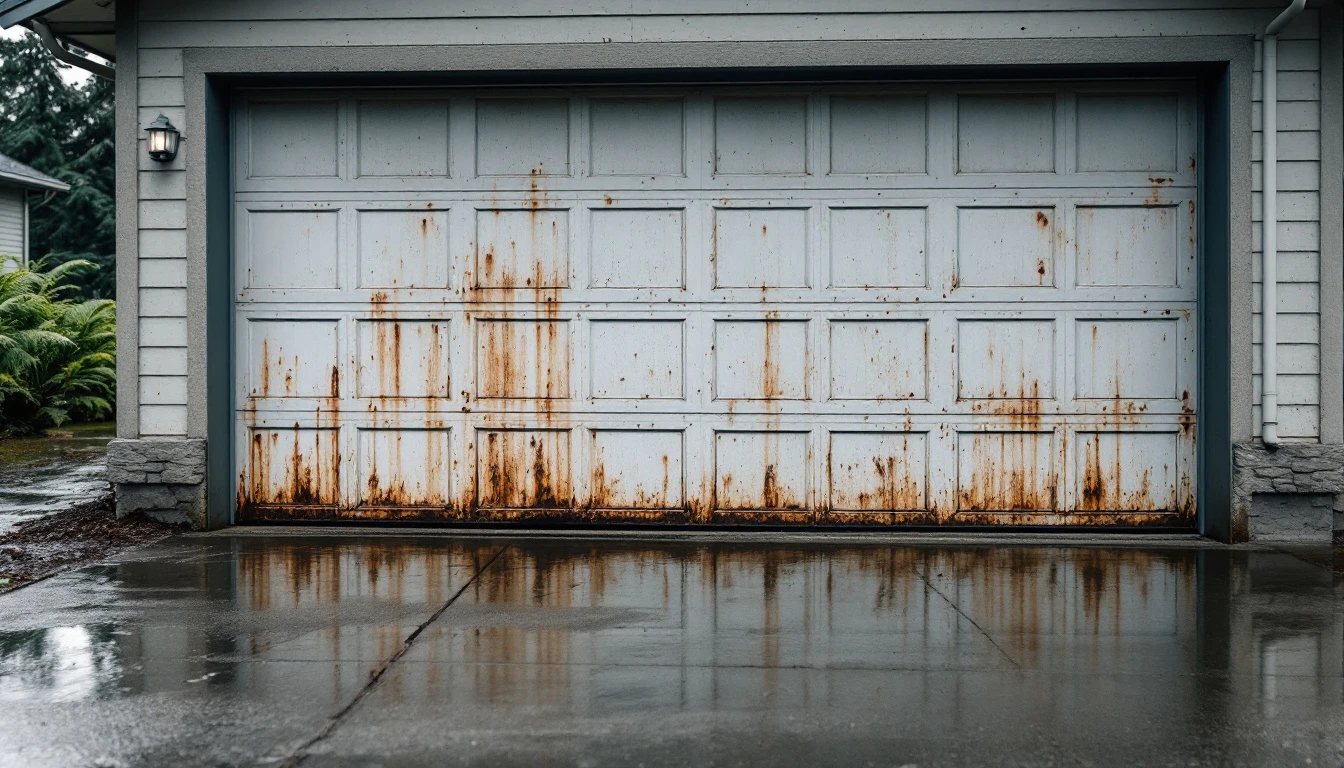
Flood Damage & Garage Door Failure
When floodwater enters your garage, it doesn’t just leave behind mud and debris—it triggers a cascade of mechanical failures in your garage door system. The Pacific Northwest’s November 2026 fall and winter storms have created conditions where many Washington homeowners are now facing urgent flood damage garage door repair scenarios that differ entirely from typical seasonal wear.
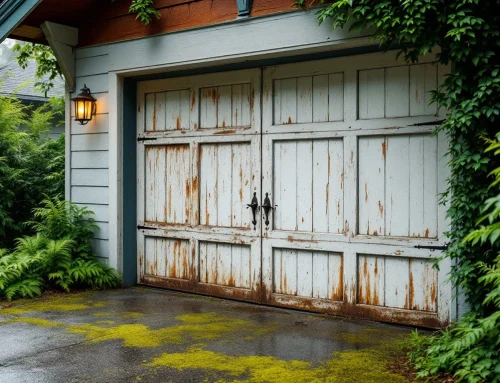
Floodwater compromises garage door openers through electrical short-circuits, often rendering remote controls and safety sensors inoperable. Springs and cable systems, which rely on precise tension to lift hundreds of pounds safely, begin rusting within hours of water exposure. This rust doesn’t just look unsightly—it weakens metal components and causes door balance to fail.
Why is post-flood garage door assessment urgent rather than optional? Because water-damaged doors create serious safety hazards. When springs lose tension or openers lose control, doors can drop unexpectedly, creating entrapment risks and making manual operation dangerous.
Visual inspection after flooding isn’t cosmetic—it determines whether your garage door system remains safe to use.
Emergency Inspection Checklist
Use this quick diagnostic checklist to determine whether your garage door needs immediate professional attention or can wait for routine scheduling. Each observation connects directly to a specific safety hazard.
Call today (emergency-level urgency) if you see:
- Visible water stains on the opener housing or rust forming on springs, cables, or tracks—these indicate structural compromise that can cause sudden spring failure or cable snapping
- Jerky door movement or a door that slams down when tested manually by disconnecting the opener, signaling broken springs or balance issues that create crush hazards
- Corrosion on circuit boards or pooling water around the motor housing, indicating electrical shock risk and potential motor burnout
Schedule this week (routine inspection) for: minor surface rust on bottom panels, slow-but-functional opener response, or slight grinding noises during operation. These issues won’t cause immediate failure but need professional assessment before they worsen.
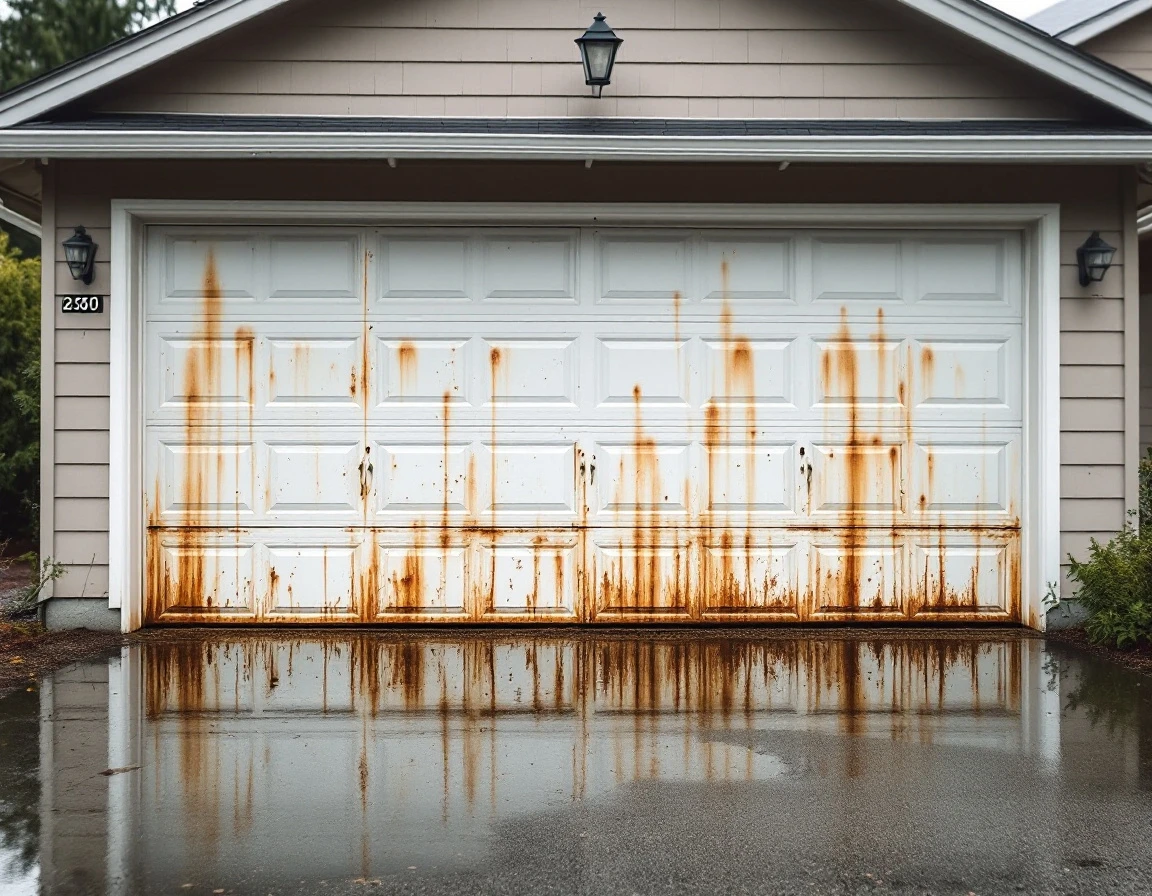
Emergency vs. Routine Repair Priority
Not every post-flood garage door issue demands an emergency callout. Understanding when to pick up the phone for same-day service versus scheduling a routine appointment within the week can save you hundreds of dollars in premium charges.
Emergency scenarios requiring same-day service include:
- Openers that won’t respond at all
- Doors hanging unevenly due to spring failure
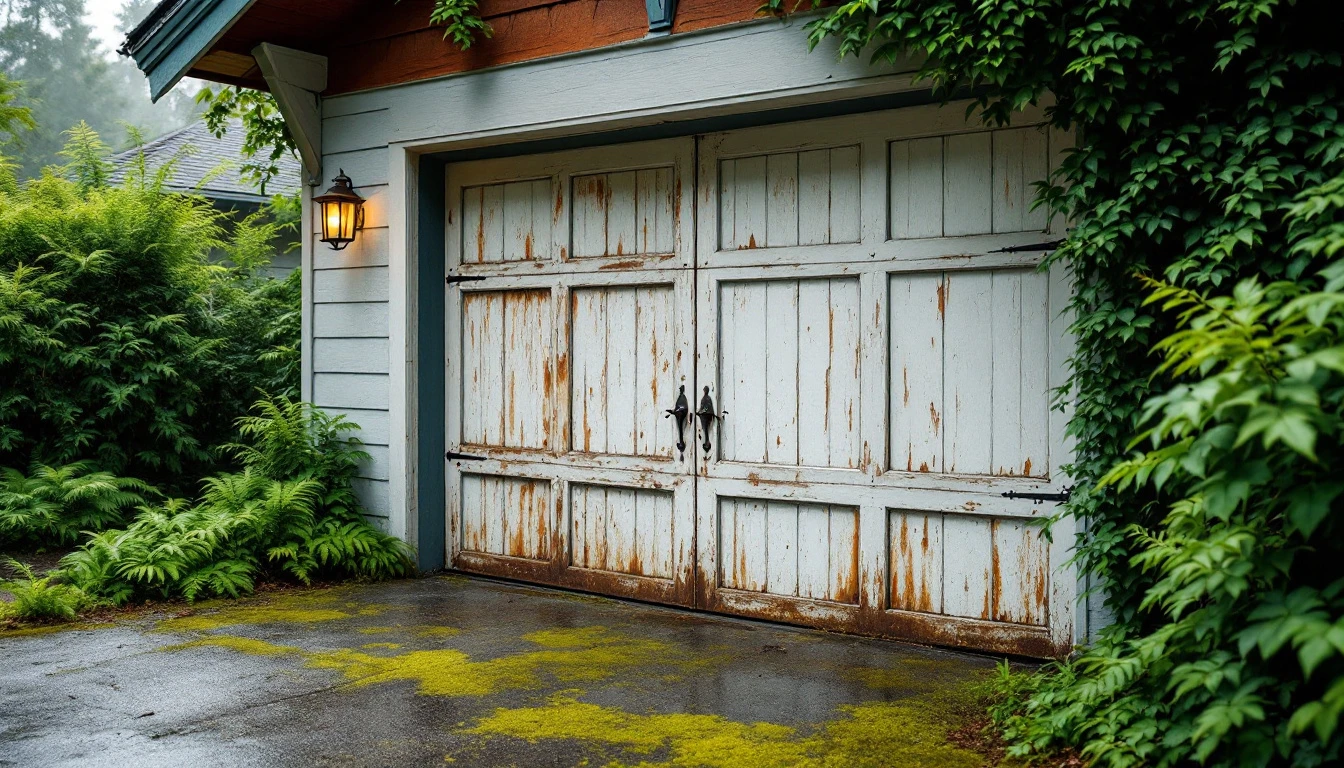
- Visible rust or corrosion on springs and cables
- Water pooling near electrical components
These conditions create mechanical hazards and electrocution risks that justify premium emergency rates, typically running 50–100% higher than routine service calls.
Routine scheduling within three to seven days is appropriate for cosmetic panel damage, minor track misalignment without binding, and weatherstripping wear that doesn’t expose electrical connections.
Flood water garage door safety demands structural failure get immediate attention; aesthetic damage can safely wait one to two weeks without increasing repair costs or compromising safety.
Repair vs. Replacement Decision Framework
Pacific Northwest floodwater carries sediment and mineral content that accelerates corrosion in ways clean water doesn’t. This chemical makeup creates a decision point: which components can be repaired, and which must be replaced entirely?
Springs and cables submerged in saltwater-laden floodwater typically require replacement, not repair. The minerals penetrate metal strands and compromise structural integrity even after surface drying. Attempting to repair corroded tension components creates serious safety risks as weakened cables can snap unexpectedly.
Openers with internal water damage rarely respond to cleaning and cost $300–$600 to replace versus $1,200+ for newer units with integrated backup power. Circuit boards exposed to sediment-laden water develop hidden failures that surface weeks later.
Panels are replaceable; structural frame and mechanism corrosion indicate when to replace flood damaged garage door entirely. When repair labor plus parts approach 50% of replacement cost, replacement typically becomes the smarter investment. This threshold prevents both premature replacement and prolonged use of a compromised door that could fail without warning.
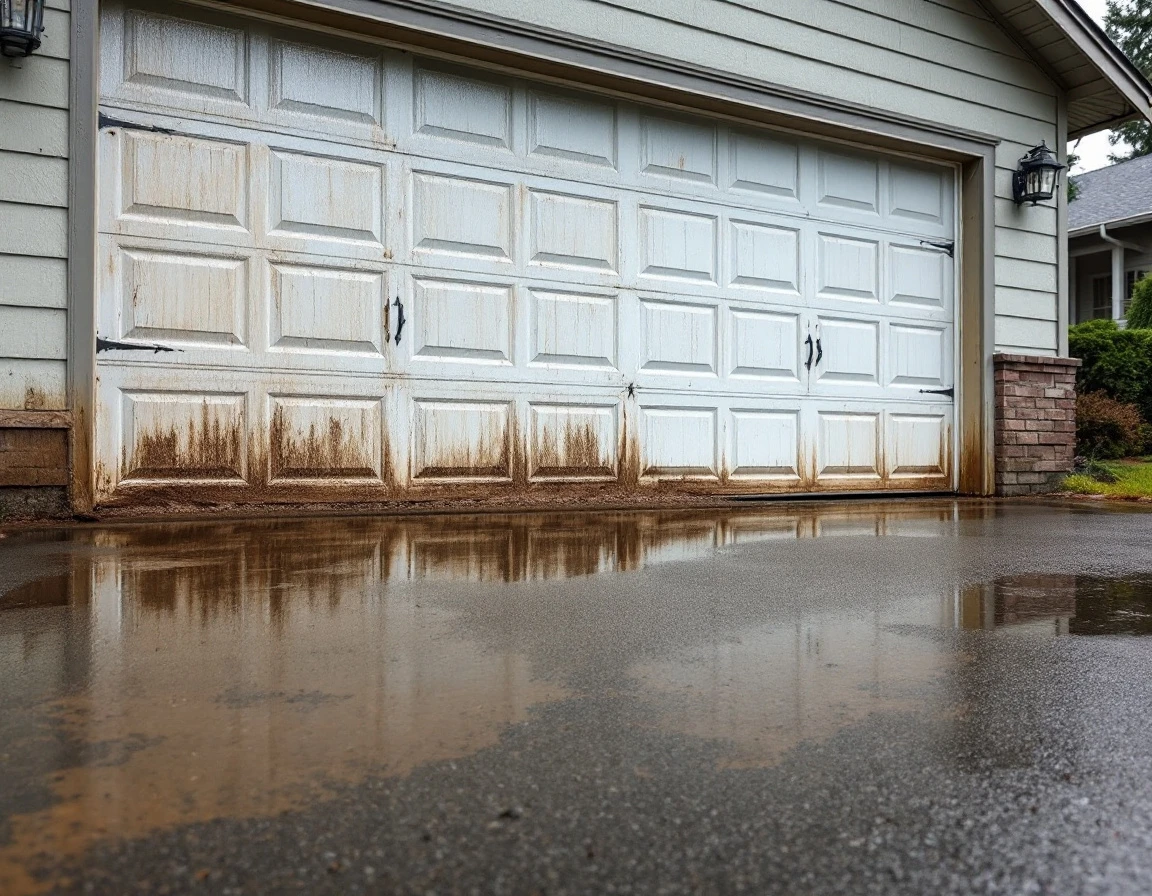
Post-Flood Timeline & Next Steps
If water reached your garage door opener or pooled near the door, contact a professional within 24 hours. Delaying inspection allows corrosion to spread through springs, cables, and tracks—often invisible until a component fails under tension. Before touching anything, document the scene with photos showing water lines, visible rust, and debris accumulation. Insurance claims require this evidence before cleanup begins.
Even minor flooding warrants a professional inspection. What looks like surface moisture may have penetrated sealed bearings or electrical housings, creating failures weeks later. When calling a technician, describe water depth relative to the opener, how long standing water remained, any visible corrosion on metal parts, and whether the door operates smoothly or struggles. This information helps professionals arrive with the right tools and replacement components, reducing multiple-trip delays common during November flood recovery periods.