Winter Clutter Assessment
As snow melts and temperatures climb in Central Oregon, your garage reveals months of accumulated winter gear and clutter that’s been claiming valuable space. Getting your Central Oregon garage organization started now prevents the seasonal buildup that makes spring cleanup overwhelming.
Evaluate current garage layout and identify what winter gear accumulated
Walk through your garage with a notepad and record exactly what winter items you see. Skis, boots, snowboards, chains, shovels, and ice melt bags typically cluster near the entry door where you grabbed them on snowy mornings. In Central Oregon’s climate, you’ve likely accumulated sand buckets, roof rakes, and emergency blankets too.
Take photographs from multiple angles before you move anything. These images serve as your baseline and help you spot problem zones where gear piles up repeatedly. You’ll notice patterns—perhaps hockey equipment always blocks the workbench, or wet snow pants drape over storage boxes because they had nowhere else to dry.
List items by category: winter sports equipment
Start by grouping your garage contents into four main categories:
- Winter sports equipment
- Seasonal tools
- Vehicle maintenance supplies
- General clutter
In Central Oregon, winter sports gear often takes up the most space—think skis, snowboards, boots, helmets, and snow chains accumulated from trips to Mt. Bachelor.
Once you’ve sorted items, measure your garage’s vertical and horizontal space. Note wall heights, ceiling clearance, and floor dimensions. This step reveals how much storage capacity you actually have and where you can install overhead racks or wall-mounted systems to maximize every square foot.
Seasonal Gear Separation and Storage Solutions
Central Oregon’s dry climate creates an ideal opportunity for winter gear storage that homeowners in wetter regions simply don’t have. With the ski season winding down at Mt. Bachelor and snow clearing from your driveway, it’s time to separate equipment you won’t touch until November from the tools and recreation gear you’ll need throughout spring and summer.
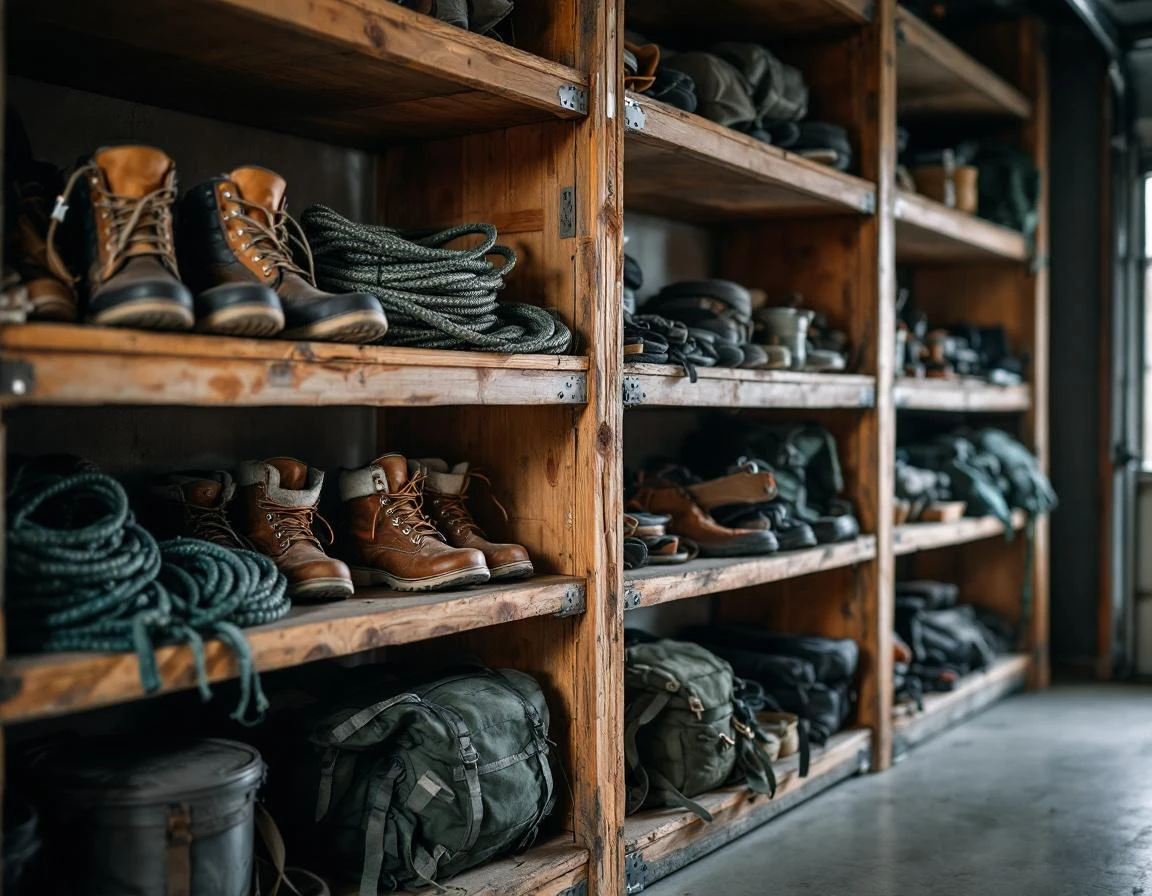
Start by pulling out every piece of winter sports equipment: skis, snowboards, boots, poles, sleds, and snow shovels. If you haven’t used an item since October, it’s a strong candidate for storage outside your active garage space. Ask yourself: Will I reach for this between now and September? The answer determines whether it stays accessible or moves to long-term storage.
Create three distinct zones as you sort. Keep accessible: bikes, camping gear, lawn mowers, garden tools, and vehicle maintenance supplies you’ll use regularly. Move to storage: winter sports equipment, snow removal tools, and cold-weather accessories headed for your attic, shed, or climate-controlled space. Donate or sell: gear your family has outgrown, broken equipment beyond repair, or items collecting dust for multiple seasons.
The dry climate here means you can safely store winter gear in unheated spaces without worrying about moisture damage that plagues coastal garages. Your skis won’t rust and boots won’t mildew in an attic or shed. This regional advantage lets you reclaim prime garage real estate for the tools and equipment you’ll actually use during the active outdoor season ahead. Our garage storage solutions Central Oregon homeowners rely on maximize these natural advantages.
Decluttering and Discarding
Before you can organize anything, you need to eliminate what no longer serves you. Start with the two-year rule. If you haven’t used a piece of winter gear in the past two seasons, you won’t use it next year either. That ski jacket from 2018? The snowshoes you meant to try but never did? They’re taking up space you need for equipment you actually use.
Walk through your garage and identify items that are broken, damaged, or unsafe. Split ski boots can’t be repaired cost-effectively. Flat bike tires that have been sitting for three years probably have dry-rotted sidewalls. Cracked plastic sleds pose safety risks and aren’t worth storing. These items add zero value but occupy premium garage real estate.
Plan your disposal logistics before you start pulling things off shelves. Bend and Redmond both have donation centers that accept gently used outdoor gear—The Goodwill on Highway 97 in Bend takes sports equipment year-round. Check your city’s schedule for seasonal bulk pickup to dispose of broken items responsibly. Many local charities hold spring gear drives specifically for winter equipment.
If you’re donating higher-value items, photograph them and note their condition. This documentation supports tax deductions and provides records if you need to reference what you owned for insurance purposes. Decluttering shrinks the organizational problem before you invest time in storage solutions.
Climate-Specific Storage Solutions
Central Oregon’s dry climate offers a significant advantage for garage storage that homeowners in western Oregon can’t match.
With minimal humidity and low rust or mold risk. You can confidently use standard shelving systems, wall-mounted racks, and overhead storage without worrying about moisture damage to your winter gear or tools.
Unlike the Willamette Valley where sealed containers are essential, your Bend or Redmond garage can accommodate open shelving and basic plastic bins effectively.
That said, temperature extremes require strategic planning. Central Oregon garages experience temperature swings exceeding 50 degrees between January and July. Store electronics, aerosol cans, and paint in shaded areas away from south-facing walls that absorb intense summer sun. Your ski equipment, camping gear, and winter clothing tolerate these temperature fluctuations well, making them perfect candidates for overhead racks or uninsulated shed storage.
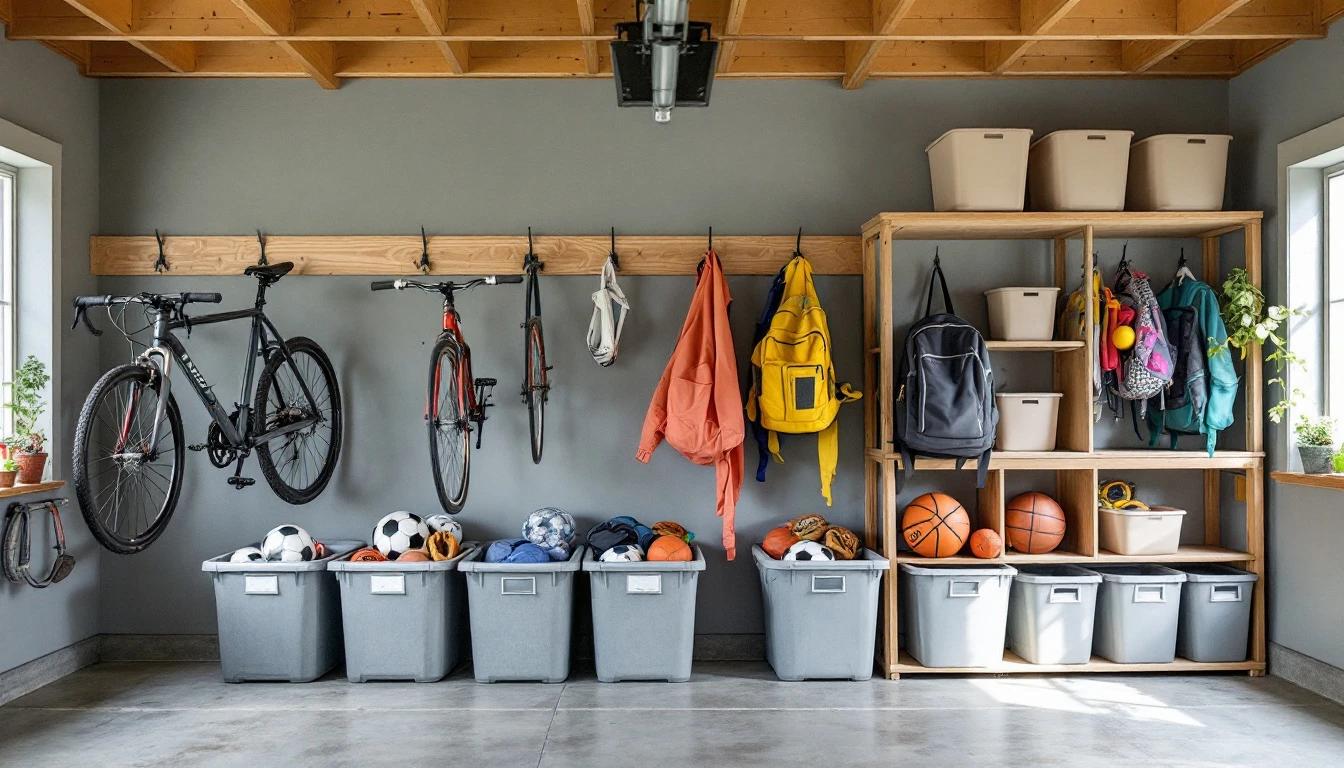
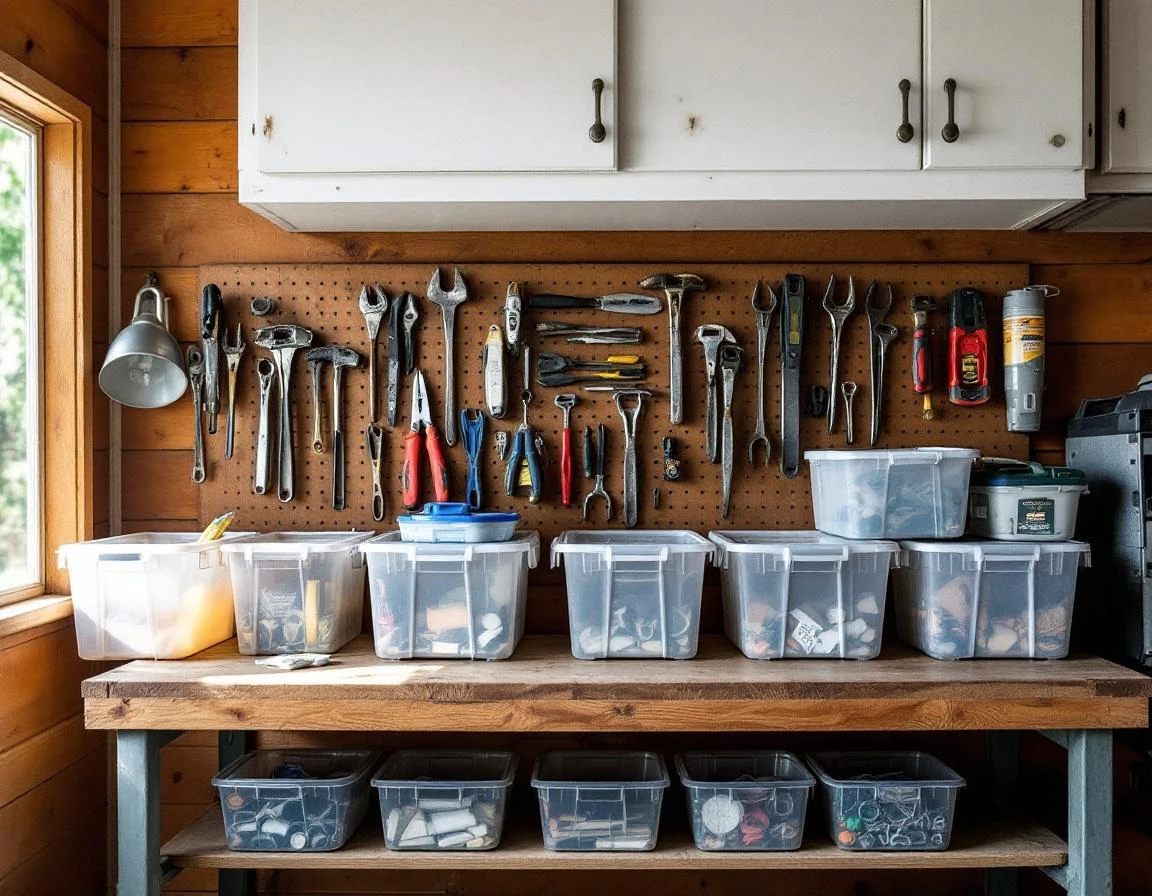
Wall-mounted systems and vertical pegboards maximize your garage’s footprint without sacrificing floor space. Install overhead racks for bulky seasonal items like snowboards, sleds, and winter camping equipment that won’t be needed until next season. The dry air keeps cardboard boxes from deteriorating, but plastic bins remain the better choice for long-term storage—they protect contents from dust and make stacking easier.
Spring and summer sun exposure in uninsulated spaces is particularly intense at Central Oregon’s elevation. Position temperature-sensitive items on north-facing walls or in shaded corners. If your garage door or weatherstripping needs attention to maintain consistent interior conditions, address those repairs before implementing your storage system. Contact us today for garage door maintenance that protects your organized space year-round.
Implementation and Labeling
Your sorted gear and chosen storage solutions won’t organize themselves. Grab a tape measure and mark zones on your garage floor plan—designate areas for summer outdoor gear, vehicle supplies, and tools. This physical mapping prevents the frustrating “garage creep” where items gradually migrate back to random floor spots.
Install shelves and wall racks according to your space plan, then tackle the most overlooked step: clear labeling. Label every storage bin, shelf section, and zone with large, readable text. Use a label maker or weatherproof markers on bright tape. In Bend’s multi-person households where everyone parks different vehicles or grabs different equipment, labels transform your system from “Dad knows where everything is” to “anyone can find the ice scraper.”
Document your organized garage with photos on your phone. Snap pictures of bins showing their contents, then add labels like “Winter Gloves & Hats” or “Tire Chains.” This visual inventory helps family members return items to the right spot and reminds you what you stored when next winter arrives.
Test your system before considering the job complete. Can your teenager easily access their bike? Can you grab emergency supplies without moving three other boxes? If an item requires more than thirty seconds to retrieve or put away, adjust its location. The best storage system is one your whole household will actually use.
Seasonal Maintenance Schedule
Your newly organized garage won’t maintain itself, but it doesn’t have to consume your weekends either. A 15-minute quarterly review keeps the system functional and prevents the winter clutter cycle from repeating. Set calendar reminders for the following times to evaluate what’s working and catch small problems before they grow:
- March
- June
- September
- December
Start your March 2026 check by walking through storage zones with your documentation photos. Verify that wall-mounted racks remain stable after winter’s freeze-thaw cycles—Central Oregon’s temperature swings can loosen hardware over time. Confirm labels are legible and that spring tools like mowers and garden hoses occupy accessible positions. In June, shift summer gear forward and push winter equipment back. September signals time to plan next winter’s storage space based on what you learned this year.
December offers the perfect evaluation opportunity: what worked well, what caused frustration, and what adjustments would make next spring easier? Document these observations in your phone or notebook. Each maintenance cycle becomes faster as the system becomes habit, proving that systematic organization is repeatable rather than a one-time marathon. Need help with garage door function or structural concerns? Contact Garage Harmony today to make sure your garage infrastructure supports your organization efforts year-round.