


Spring Moisture and Wind Threats
North Clark County’s spring season brings distinct weather challenges that demand proactive garage maintenance, particularly for detached workshop structures. Proper detached garage weatherproofing in La Center protects your tools, stored items, and workspace from the moisture and wind damage that peak in April.
April brings peak rainfall and wind gusts
April delivers the harshest spring weather to North Clark County, with peak rainfall and wind gusts that test every structural weakness in detached garages. While attached garages benefit from the thermal mass and wind protection of your home, detached workshop buildings stand exposed to the full force of storms.
This isolation means temperature swings hit harder, wind-driven rain finds every gap, and moisture problems develop faster than in attached structures.
The April weather window makes pre-season maintenance essential for rural La Center property owners.
Water intrusion through compromised seals
When weatherstripping fails on a detached workshop, water finds every gap. Within weeks, you’ll spot rust forming on tools, moisture darkening stored lumber, and that distinctive musty smell signaling mold growth. These structures face a unique challenge—spring winds stress door alignment, trim seals, and weatherstripping all at once, creating multiple entry points simultaneously.
Check your workshop’s door seals before the next storm. Press your hand along the perimeter while the door is closed. Feel air movement? That’s your warning sign before water follows the same path.
Detached Garage Weatherproofing: Weatherstripping Inspection Checklist
Grab a flashlight and fifteen minutes—that’s all you need to assess your weatherstripping before April rains arrive. Start with a visual walk-around of your detached garage door frame, looking for obvious signs of trouble:
- Cracks in the rubber
- Hardening of foam strips
- Sections that have pulled away from the mounting surface
- Bottom seal and where the door meets the frame on both sides
Next, perform the light test. Close your garage door completely and turn off interior lights. Walk outside with a flashlight or use your phone’s flashlight feature, shining it along the door’s edges while someone inside watches for visible light penetrating through gaps. Any light you see represents a path for cold air, moisture, and wind-driven rain to enter your workspace.
Detached garages experience wider temperature swings than attached structures, which accelerates weatherstripping breakdown. The rubber and foam compounds expand and contract more without the thermal stability of a heated home next door. Leading to faster deterioration in North Clark County’s wet winter months.
How to weatherstrip a detached garage involves measuring your existing strips carefully—noting width, thickness, and mounting style—before purchasing replacements. This is a 1-2 hour project requiring basic tools: a utility knife, measuring tape, and the replacement strips themselves. However, if you notice the door itself sits unevenly in the frame or gaps vary across sides, these alignment issues need professional diagnosis before new weatherstripping will perform effectively.
Seal and Frame Maintenance
Door frame caulk, threshold seals, and bottom seals fail first in rural isolation—constantly exposed to UV radiation and freeze-thaw cycles that urban garages rarely experience. In detached workshop garage maintenance around La Center, these perimeter seals protect against North Clark County’s spring moisture, but they deteriorate faster without the thermal stability that attached structures provide. April’s temperature swings create expansion and contraction that crack compromised caulk. Opening pathways for water intrusion.
Inspect caulk lines for gaps, peeling, or discoloration before April’s moisture surge begins. Start at the top corners of your door frame and work downward, looking for sections where caulk has pulled away from the surface or shows a brittle, cracked appearance. These compromised areas need complete removal and replacement—temporary patches won’t survive the next freeze-thaw cycle. Use paintable, flexible, exterior-grade sealants rated for freeze-thaw performance, not cold-caulk products that fail in unheated workshop environments.
Threshold and bottom-door seals trap debris and water, creating channels that direct moisture into your garage floor seams. Cleaning and re-sealing takes 30-45 minutes per door but prevents the rapid rust and mold growth that appears within weeks of seal failure. Remove accumulated dirt, pine needles, and decomposed organic matter from the threshold channel using a stiff brush. Check the bottom seal for compression damage or tears, then apply fresh sealant along the frame perimeter where the door meets the floor when closed.
This three-step process—inspect, clean, and re-seal—addresses your second maintenance priority by protecting the garage perimeter before spring weather intensifies.
Professional assessment makes sense when caulk failure appears around structural gaps or when door alignment issues cause uneven seal contact. Learn more about high-performance garage details.
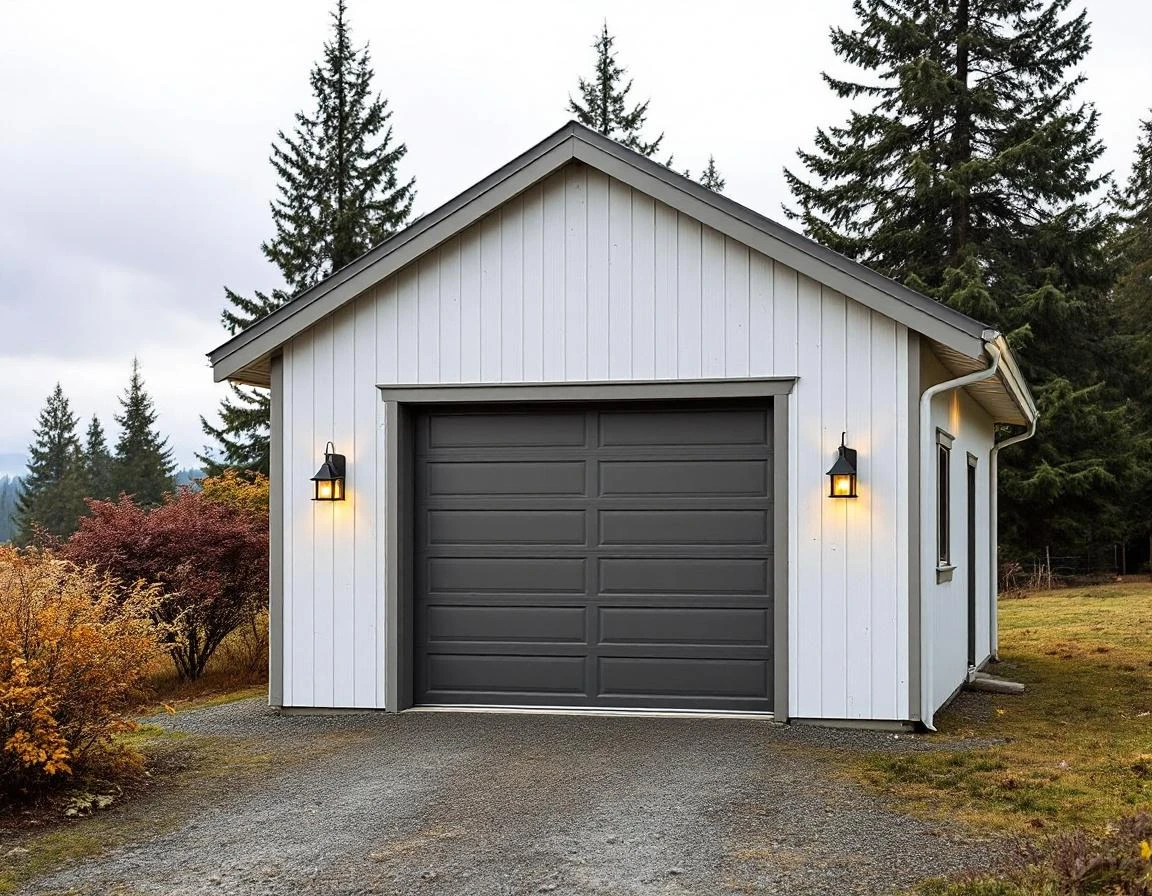
Emergency Access Solutions
When wind or moisture jams your detached garage door in rural La Center, professional help isn’t arriving in minutes. The reality of North Clark County’s geography means response times measured in hours, not the quick service possible in urban Vancouver. That delay transforms a minor inconvenience into a serious problem if your tools, inventory, or vehicle sits trapped inside.
Secondary access isn’t optional for detached workshops—it’s essential backup infrastructure. A personnel door provides walk-in access when the overhead door fails. Before April’s storms arrive, inspect this door: Does the weatherstripping seal properly? Can you open it from both sides? Is the lock mechanism working? A secondary entry that’s painted shut or blocked by stored equipment provides zero emergency value.
Equally important: Can you operate your overhead door manually. Locate the red release handle on your opener’s trolley. Pull it to disengage the motor, then test whether you can lift the door by hand. If it’s too heavy or binds in the tracks, you need service now—before storm damage creates an actual emergency. Keep spare keys accessible but secure, and establish contact protocols with neighbors if you’re frequently off-site.
Storm damage happens fast in exposed rural locations. One March wind event can bend tracks or blow debris into the mechanism. Your detached garage moisture and wind protection plan—functional personnel door, manual operation knowledge, backup entry protocols—determines whether that damage creates minor hassle or major crisis.
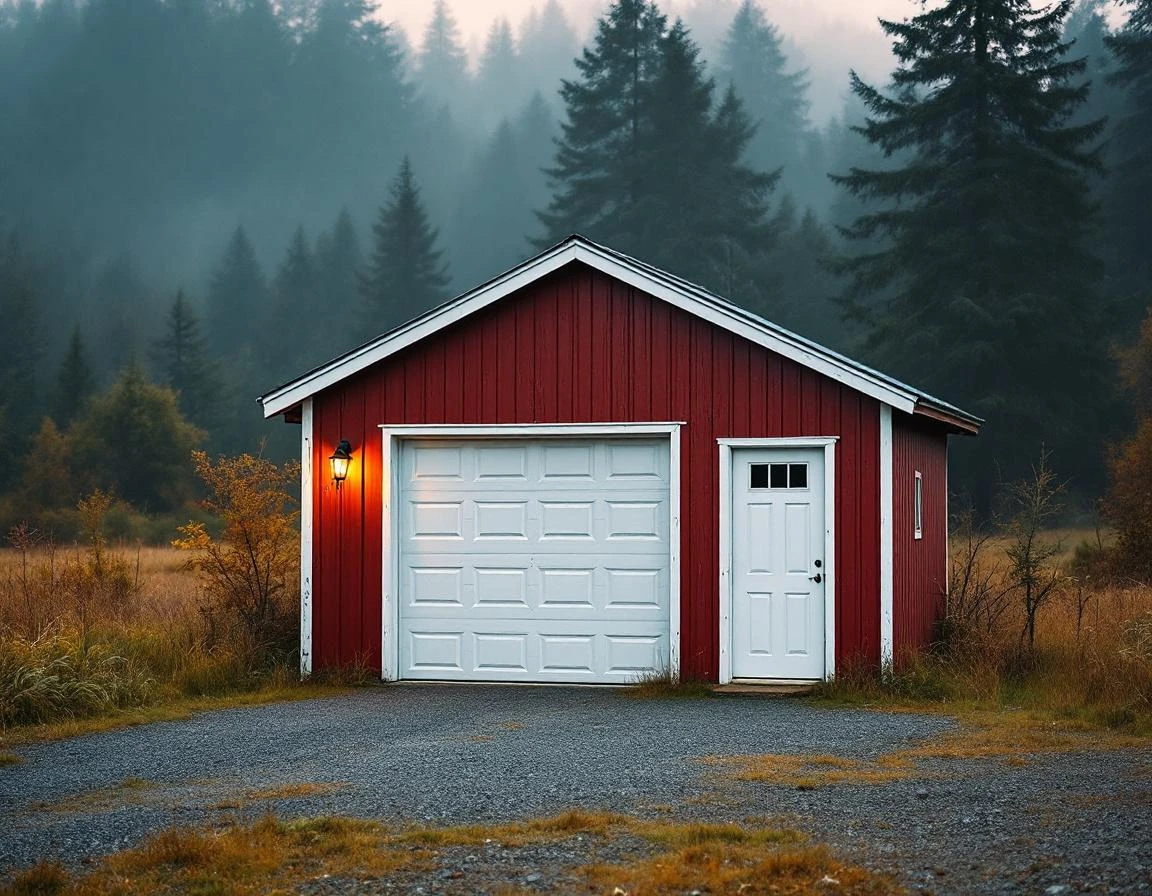
March Maintenance Timeline
La Center property owners should divide March into three action phases to prepare detached garages before April’s rainfall peaks:
- Early March focuses on inspection: conduct visual weatherstripping checks and seal assessments during dry conditions. Document problem areas with photos and note if you’re facing simple deterioration or alignment issues requiring professional attention.
- Mid-March is your action window. Complete weatherstripping replacement, re-caulk door frames, and address seal failures. This timing allows test verification before the rains arrive—run water tests on new seals and check for drafts. If inspection revealed major frame rot or structural concerns, schedule professional repairs now rather than waiting until April when response times stretch longer.
- Late March should verify emergency access systems. Test manual overrides and confirm personnel doors function properly. Document any professional-grade repairs completed this month for insurance records. Schedule an April check-in after the first significant storm system passes through North Clark County—monitor for new leaks, wind damage, or seal failures that escaped March’s preparation.

Leave A Comment