

Why the Best Garage Door Material for Pacific Northwest Demands Material Durability
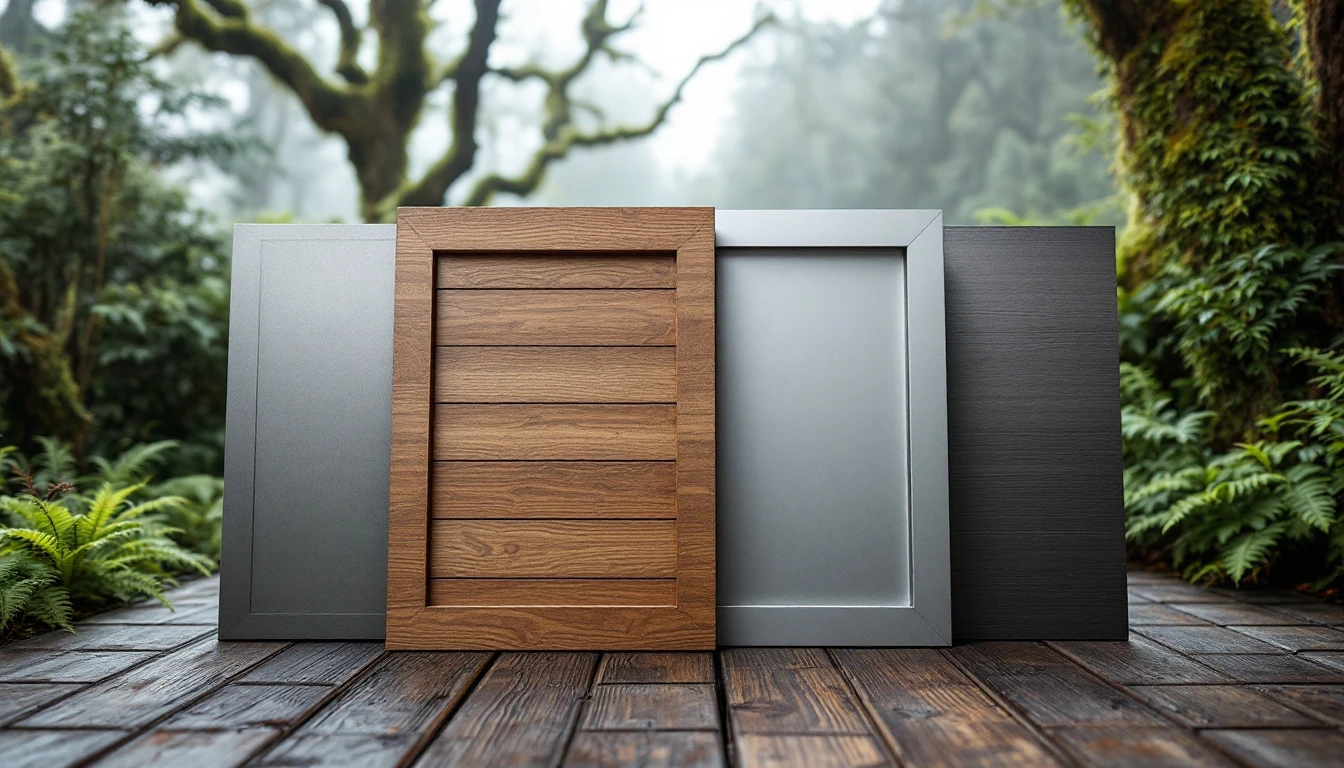
The Pacific Northwest poses unique challenges for garage door materials. Portland-metro homeowners face 50 to 60 inches of annual rainfall—far above the national average—combined with persistent humidity levels that hover between 70 and 85 percent throughout much of the year. This isn’t just about occasional downpours; it’s the constant moisture exposure that breaks down standard garage door materials over time. Finding the best garage door material for Pacific Northwest conditions means understanding how regional climate directly impacts durability.
Temperature swings complicate the picture even further. When winter lows dip to 30°F and summer highs reach 85°F, garage doors endure repeated expansion and contraction cycles. Moisture that penetrates surface coatings during wet months freezes when temperatures drop, creating micro-fractures that widen with each freeze-thaw cycle. This relentless stress accelerates deterioration in ways that homeowners in drier climates never experience.
Material choice directly determines repair frequency and total cost over 10 to 20 years.
A door that performs well in Arizona or Texas may fail prematurely in the PNW’s moisture-rich environment. Understanding which materials resist humidity penetration, handle temperature fluctuations, and maintain structural integrity through countless wet-dry cycles isn’t optional—it’s the foundation of a smart investment. The region demands climate-specific thinking when selecting garage door materials.
Steel vs Wood vs Aluminum vs Fiberglass: How Garage Door Materials Perform in PNW Climate
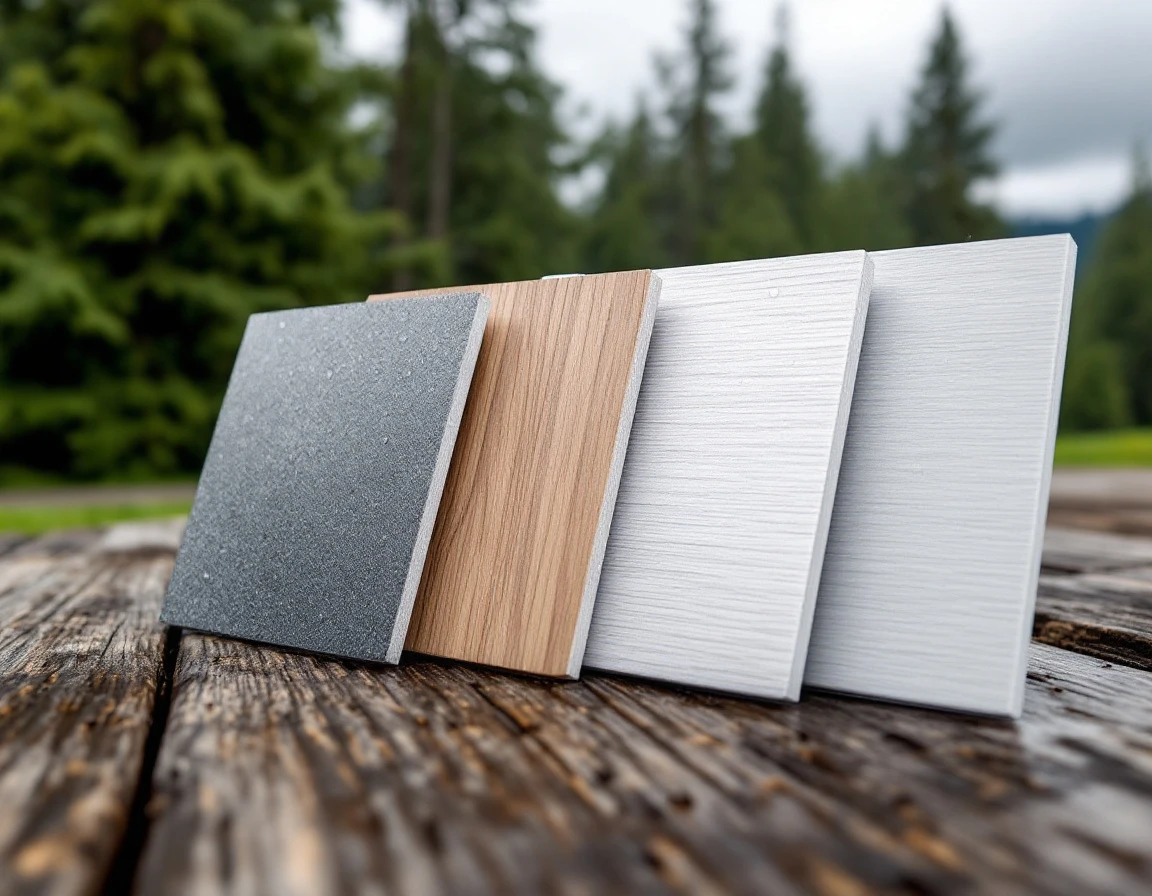
Now that we’ve covered why material choice matters in Portland’s rainy climate, let’s compare how the four most common garage door materials actually perform when exposed to our region’s moisture and temperature swings over the course of a decade or two.
Wood: Beautiful but High-Maintenance
Wood garage doors deliver unmatched curb appeal, but they demand constant attention in the Pacific Northwest. Installation requires a meaningful investment that varies with species and finish quality. The real cost emerges during Portland’s extended wet season, when wood absorbs moisture, expands, and becomes prone to warping and rot.
Annual maintenance includes resealing or repainting to protect against water intrusion—a task that becomes more urgent after each rainy season strips away protective coatings. Without this yearly care, wood doors begin showing decay within three to five years in high-humidity environments. Even with diligent maintenance, wooden doors typically last 15 to 20 years in the PNW before structural issues force replacement.
Many Portland homeowners discover that bottom panels rot first, where standing water collects. Repair costs for panel replacement can run several hundred dollars per section, and the color match rarely looks factory-fresh. If you love the aesthetic and commit to the upkeep, wood can work—but budget time and money accordingly.
Aluminum: Lightweight but Corrosion-Prone
Aluminum doors appeal to budget-conscious homeowners, offering accessible entry-level options at modest price points. They resist rust better than bare steel, but the Pacific Northwest’s persistent humidity creates a different problem: oxidation and white powdery corrosion that dulls the finish over time.
In coastal areas like Astoria or along the Columbia River corridor, salt-laden air accelerates this degradation. The thin gauge of most residential aluminum doors also makes them susceptible to denting—a concern if you have active kids or tight parking situations. While aluminum requires less maintenance than wood, expect to address surface deterioration and consider refinishing or replacement after 12 to 18 years.
The lightweight nature that makes aluminum easy to operate also means less insulation value and more noise during operation. For Portland homes prioritizing energy efficiency during cold, wet winters, aluminum falls short compared to insulated alternatives.
Fiberglass: Modern but Vulnerable to Temperature Swings
Fiberglass doors entered the market as a moisture-resistant alternative, and they do resist water absorption effectively. Initial costs range from $1,000 to $3,500, positioning them as a mid-range option. However, the PNW’s temperature fluctuations—from freezing winter nights to warm summer afternoons—expose fiberglass’s Achilles heel: delamination. Fiberglass garage doors in Pacific Northwest humidity conditions struggle with this fundamental structural weakness.
When temperatures drop below freezing and then rise rapidly, the resin layers in fiberglass panels can separate, creating bubbles and weak spots. This freeze-thaw cycling happens regularly in Portland suburbs like Gresham and Beaverton during winter months. Once delamination begins, it spreads quickly, compromising both appearance and structural integrity.
Fiberglass also yellows and becomes brittle with UV exposure over time. Expect a functional lifespan of 10 to 15 years in the Pacific Northwest before aesthetic degradation or structural failures require replacement. Repair options are limited—damaged panels typically need full replacement rather than spot fixes.
Steel: The Pacific Northwest Sweet Spot
Steel garage doors cost between $1,000 and $3,000 installed, landing in the same range as fiberglass but delivering superior long-term performance. Modern steel doors feature galvanized or galvalume coatings that prevent rust even during Portland’s relentless fall and winter rains. High-quality powder-coat finishes add another layer of protection against moisture intrusion.
Unlike wood, steel requires minimal seasonal maintenance—typically just an annual inspection and basic cleaning. Unlike aluminum, steel resists denting and maintains its finish for decades. Unlike fiberglass, steel handles temperature swings without structural compromise. Properly maintained steel doors regularly reach 25 to 30 years of service life in the Pacific Northwest, making them the most cost-effective choice when you calculate total ownership costs.
During the wet season, steel performs exactly as it does in summer: reliably and without intervention. No sealing, no oxidation scrubbing, no delamination worries. For Portland-metro homeowners seeking a set-it-and-forget-it solution that withstands our climate’s specific challenges, steel emerges as the clear winner in both upfront value and lifetime durability.
Steel: The PNW Champion Material
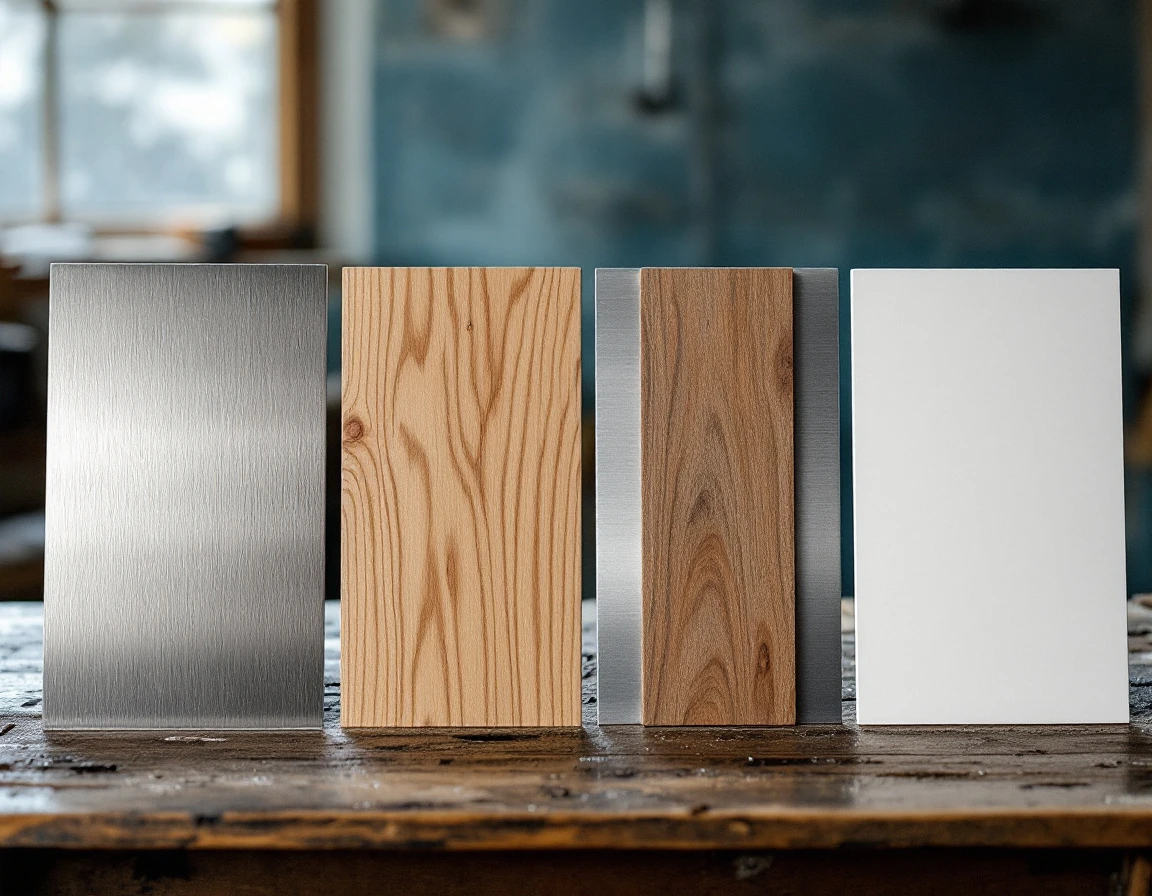
Why does steel outperform other materials in the Pacific Northwest’s demanding climate? Modern steel garage doors come equipped with factory-applied rust-resistant coatings and galvanized underlayers that create multiple barriers against moisture intrusion. These protective systems—including polyester coatings and baked-on finishes—shield the metal core from the constant humidity and wet conditions that plague our region year-round.
Steel doors survive PNW freeze-thaw cycles and high humidity levels without the degradation you’ll see with wood rot, fiberglass delamination, or aluminum denting. The material doesn’t absorb water, which means no swelling, warping, or splitting even during our wettest winter months. That translates to doors that maintain their structural integrity and weathersealing performance season after season.
Steel requires only occasional lubrication of moving parts and quick visual inspections—no annual sealing, no retreatment, no costly refinishing projects.
The rust-prevention technology built into quality steel doors does the heavy lifting for you, resisting water penetration far better than wood or fiberglass alternatives.
Portland-area pricing shows steel doors landing in the competitive middle range for upfront costs, sometimes slightly more than basic fiberglass but far less than premium wood. Over a 15–20 year lifespan, steel delivers the lowest lifetime cost by avoiding repair bills for rot, delamination, or structural failure. For PNW homeowners, that combination of rust resistance, durability, and long-term value makes steel the clear winner.
Wood: Aesthetic but High-Maintenance
Wood garage doors offer undeniable curb appeal with their natural grain and classic appearance. But in the Pacific Northwest’s high-moisture climate, that beauty comes at a steep price. Wood naturally expands and contracts as humidity levels fluctuate between 70-85% throughout the year, making warping practically inevitable. What starts as a beautiful installation gradually develops gaps, misalignment, and structural stress that compromises both function and appearance.
Keeping wood doors healthy requires annual sealing and refinishing to prevent rot and weather damage. After each freeze-thaw cycle, homeowners often face repair work to address cracking and splitting. In Portland, maintaining a wood garage door typically costs $200–400 annually in sealing products, refinishing labor, and minor repairs. Some panels may need complete replacement within just a few years.
In the PNW’s constant moisture exposure, wood doors last just 8–12 years compared to 15+ years in drier climates. Steel doors, by contrast, require minimal upkeep beyond occasional washing. When you factor in the labor-intensive maintenance schedule and shortened lifespan, wood’s initial aesthetic advantage quickly disappears under the weight of ongoing costs and time investment.
Aluminum and Fiberglass Limitations in Wet Climates
While aluminum and fiberglass may promise lower upfront costs than steel, both materials struggle with the Pacific Northwest’s unique combination of moisture, temperature swings, and freeze-thaw cycles. Understanding these limitations helps Portland-area homeowners avoid premature replacement costs. Garage door materials like aluminum and fiberglass simply cannot match steel’s performance when evaluated for rust resistance and durability in Portland Oregon conditions.
Aluminum garage doors resist rust differently than steel, but they don’t escape corrosion. In the PNW’s high-humidity coastal zones, aluminum undergoes oxidation that produces a chalky white buildup on the surface. This oxide layer weakens the material over time, and freeze-thaw cycles common to Portland winters make aluminum increasingly brittle and prone to dents. Metro-area homeowners often discover cracked panels and damaged sections after just seven to ten years, especially on north-facing garage doors that experience less direct sunlight.
Fiberglass faces even more severe challenges in wet climates. Constant moisture exposure causes the resin to separate from the underlying fiberglass mat, a failure mode called delamination. UV degradation accelerates this process in the Pacific Northwest, where overcast skies paradoxically allow harmful UV rays to penetrate without the protective barrier of dry air. After ten to fifteen years, fiberglass doors become fragile and develop visible separation lines, clouding, and surface cracks.
Both materials require replacement far sooner than modern steel options. When comparing fifteen to twenty-year timelines, aluminum and fiberglass simply can’t match steel’s durability in PNW conditions. What looks like savings today becomes higher lifetime costs tomorrow.
Making Your Portland-Metro Decision: Choosing the Best Garage Door Material for Pacific Northwest Homes
After comparing all four materials, the conclusion is clear: steel garage doors offer the best balance of cost, durability, and low maintenance for Pacific Northwest homeowners. Wood may deliver beautiful aesthetics, and aluminum or fiberglass may offer lighter weight, but neither compensates for climate-driven durability failures in our high-moisture region. Material choice today determines repair frequency and expense over the next 15 to 20 years.
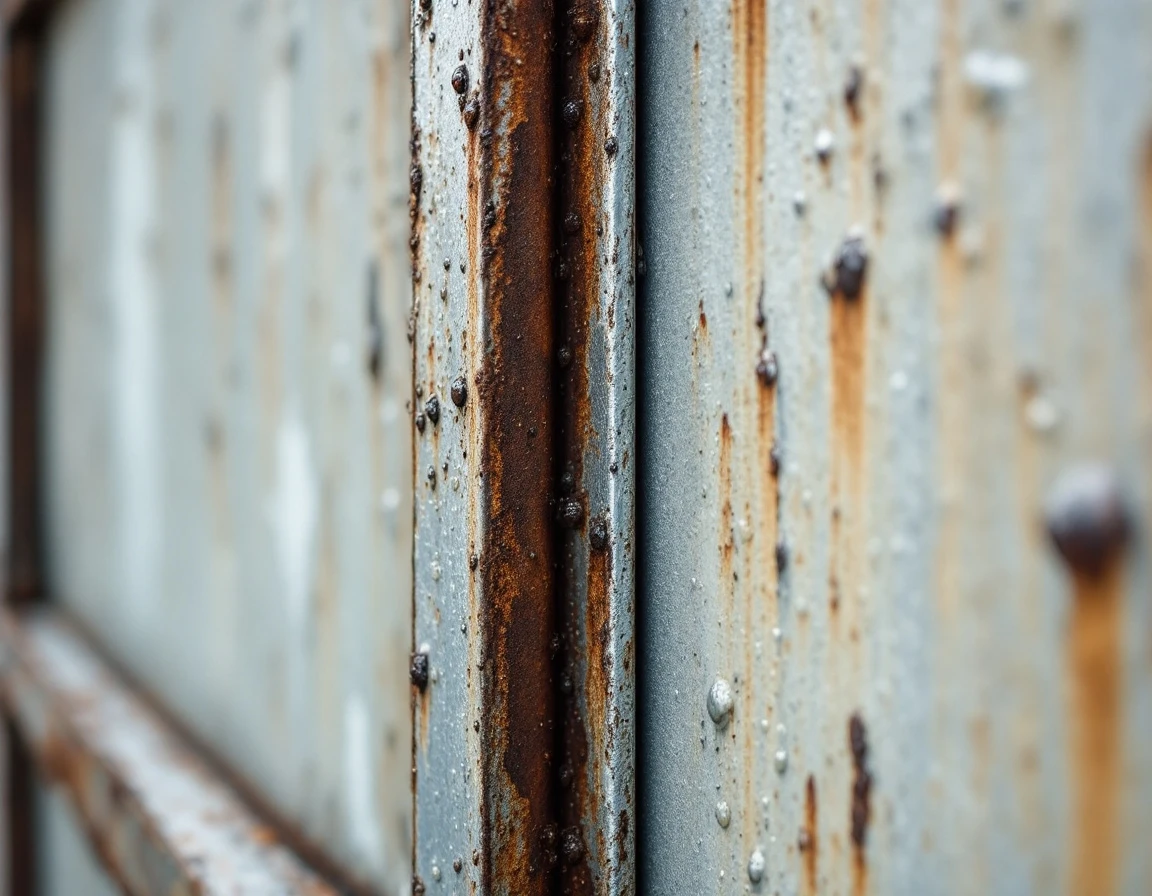
If durability and cost are your priorities—and they should be in a region with 50-plus inches of annual rainfall—steel is your answer. Quality matters: choose galvanized steel with factory polyester coatings for maximum rust protection. These modern finishes create a barrier against moisture penetration, preventing the corrosion and structural damage that plague other materials in Portland’s climate.
Ready to make the right choice for your home? The next step is consulting local professionals who understand Pacific Northwest climate challenges. At Garage Harmony, our team brings years of experience helping Pacific Northwest homeowners select and install garage doors that stand up to our unique weather conditions. Contact us today to schedule a consultation and get expert guidance on the best steel door options for your home and budget.


Leave A Comment