

Why Late Summer Matters for Summer Commercial Door Inspection
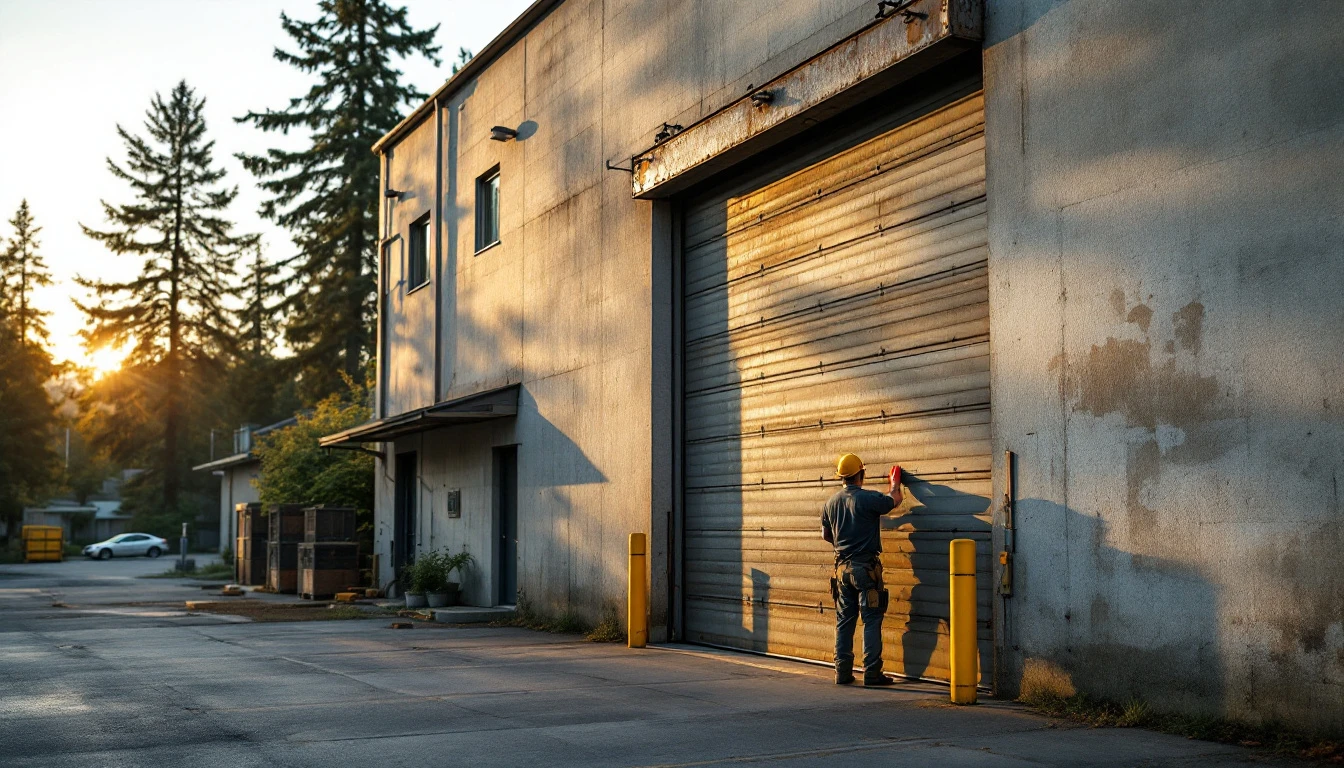
Late summer offers the perfect window for a summer commercial door inspection—checking and servicing commercial doors before harsh Pacific Northwest weather arrives and minor issues become expensive emergency repairs.
Fall and winter weather in Portland brings rain
Portland’s fall and winter months deliver a steady onslaught of rain, freezing temperatures, and rapid weather swings that place tremendous stress on commercial doors. Moisture seeps into weatherstripping, temperature changes cause metal components to contract and expand, and constant exposure to the elements accelerates wear on hinges, tracks, and seals. Does your facility’s door system really need to fail during your busiest season?
Scheduling a commercial door inspection before fall in August or September prevents emergency repairs when tenant demand peaks and weather makes outdoor work difficult. Completing maintenance before the rainy season arrives means your doors are ready to handle the stress ahead, keeping operations smooth when you can least afford downtime.
Preventive maintenance costs far less than emergency repairs.
Preventive maintenance protects your budget far more effectively than scrambling for emergency repairs in November–February, when weather-driven failures spike and contractor availability vanishes. Weather windows close quickly in late summer; scheduling slips into rain season mean you’re competing against contractor backlogs just when your doors need immediate attention.
Acting now keeps your costs predictable and maintains operations running smoothly through the busiest months.
Critical Door Components and Inspection Points
Commercial doors depend on interconnected mechanical and weatherproofing systems, each responding differently to Pacific Northwest fall and winter conditions. Understanding which components face the greatest risk helps you target your late summer door maintenance Portland-area facilities require when preparing commercial doors for fall weather.
Mechanical Components Under Stress
The mechanical systems most critical to inspect include:
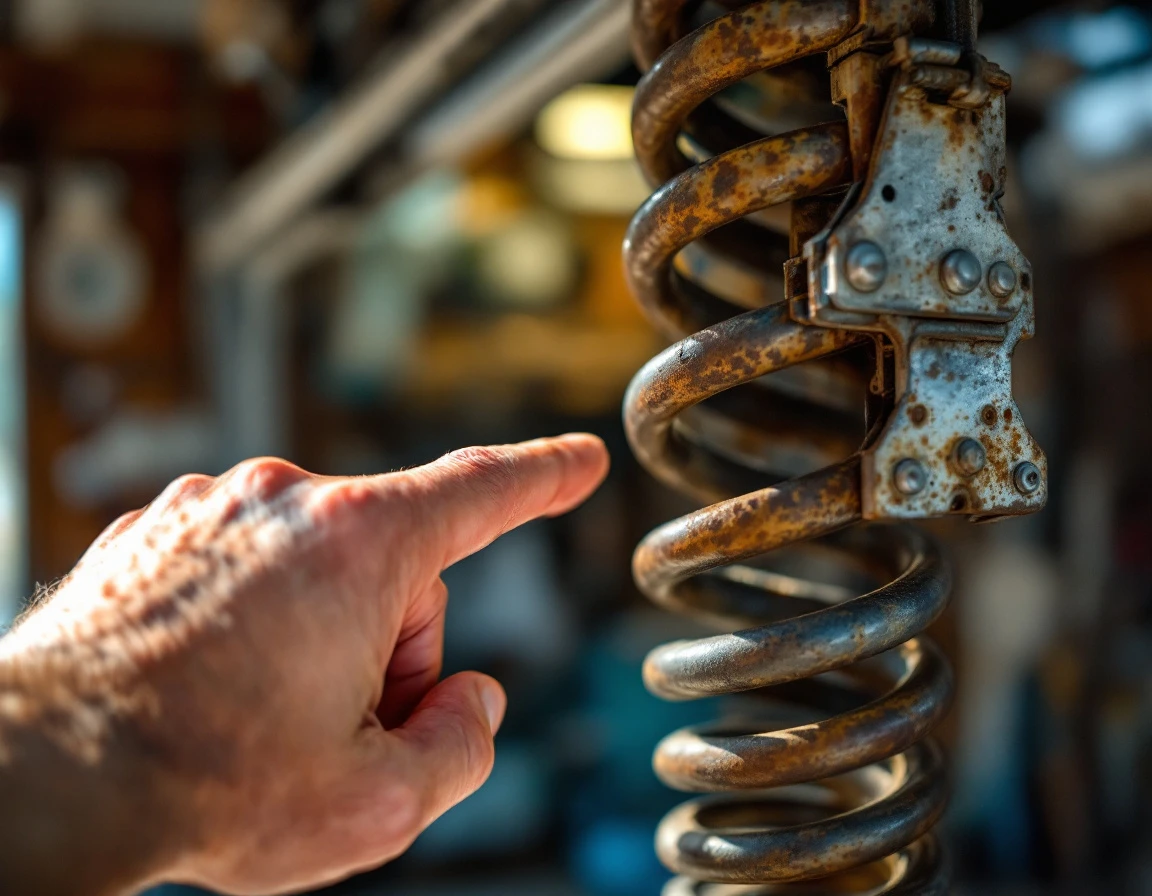
- Springs and cables bear constant tension and face accelerated wear when frost penetrates lubrication and moisture causes corrosion. Temperature swings between Portland’s mild days and freezing nights create metal fatigue cycles that weaken these high-stress parts faster than summer conditions ever would.
- Rollers and tracks suffer when moisture infiltrates bearings and track channels freeze with accumulated debris. A roller that glides smoothly in August can seize or grind by November when rain-soaked grit turns to ice overnight, putting dangerous strain on operator motors.
- Operator systems and electronic controls need fall-readiness checks before cold weather stresses electrical connections and condensation threatens circuit boards. Test cycle counts, listen for unusual sounds, and verify backup battery systems while conditions favor outdoor work.
Weatherproofing Elements That Fail First
Critical weatherproofing components to assess include:
- Seals, weatherstripping, and gaskets take the hardest beating from moisture and temperature cycling. These flexible materials become brittle in freezing conditions and crack under repeated expansion and contraction, creating gaps that let rain and cold air infiltrate your building.
- Hinges, latches, and locking mechanisms demand functional testing before peak entry and exit traffic hits during holiday seasons. Moisture can freeze inside latch assemblies overnight, leaving employees struggling with jammed doors during morning shifts when building access matters most.
Each component tells you something different during inspection. Are seals compressed or cracking? Do rollers spin freely or bind? Does the door balance properly when you disengage the operator? These concrete checkpoints transform abstract maintenance advice into actionable facility management.
Step-by-Step Commercial Door Inspection Checklist for Summer
Set aside 30 to 45 minutes per door to complete this inspection systematically. Your goal is to catch problems while they’re still minor, document what you find, and decide what needs professional attention before fall weather arrives.
Visual Walk-Around
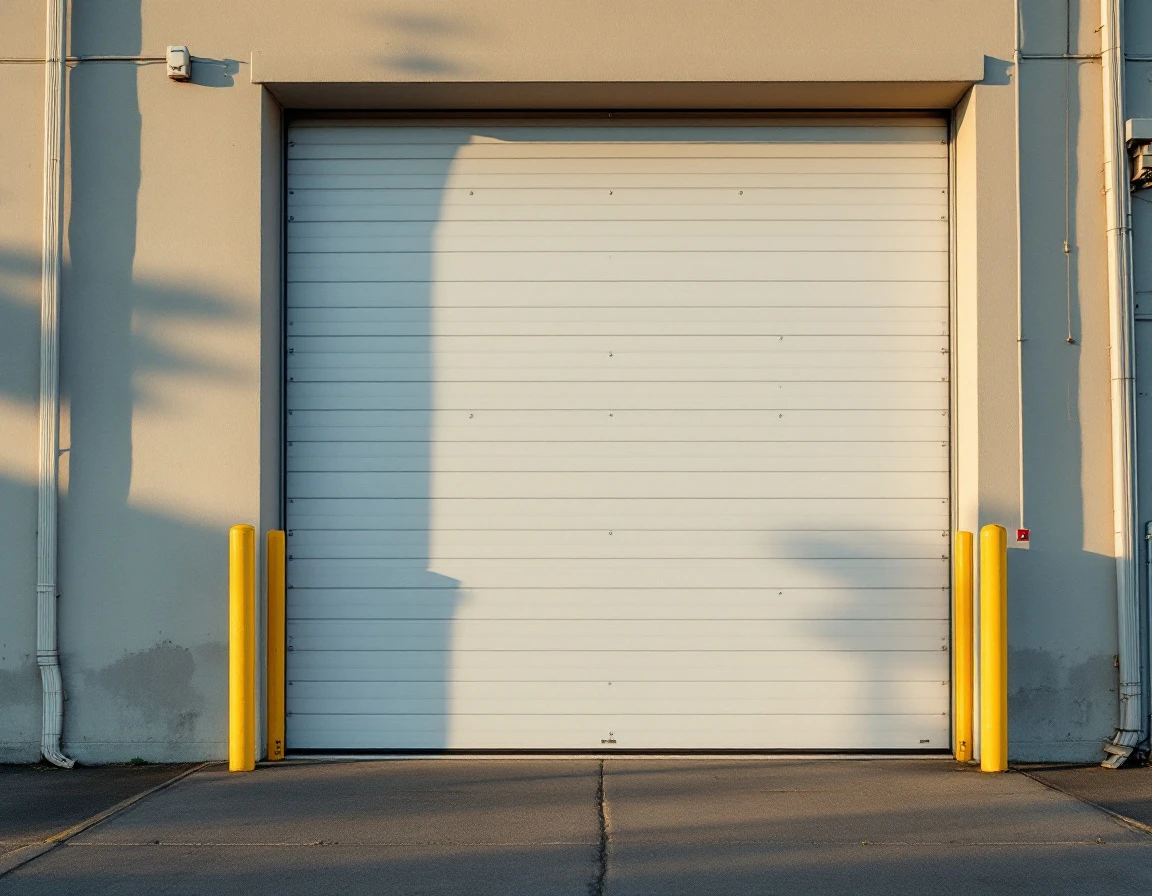
Start with the door closed. Walk the perimeter looking for rust spots on panels, hinges, or hardware—especially at the bottom corners where moisture collects. Check for cracks in panels, bent or misaligned sections, and gaps where weather seals meet the frame. Inspect gaskets and rubber seals for brittleness, compression set (permanent flat spots), or tears. Run your finger along the bottom seal to feel for missing chunks or hardened sections that won’t flex.
Photograph every issue you spot. Even minor ones. These images become your baseline for tracking deterioration and sharing with contractors during bid discussions.
Operational Testing
Open and close the door several times, listening for grinding, squealing, or rattling that suggests worn rollers or loose hardware. Does the door hesitate, jerk, or drift during movement? Test the balance by disconnecting the opener (if equipped) and manually lifting the door halfway—it should stay in place. If it drops or shoots upward, stop immediately and call a professional. Spring tension adjustments require specialized tools and training.
Check alignment by observing gaps between the door and frame as it travels. Uneven gaps indicate track problems or structural settling that needs correction before winter stress worsens the issue.
Safety Device Verification
Test photo-eye sensors by placing an object in the door’s path during closing—the door should reverse instantly. Try the emergency release handle and confirm it disengages the opener smoothly. Check that locks engage fully and manual overrides function properly. These safety features matter most during power outages, which happen frequently during fall storms.
Document everything in writing with dates, door numbers, and descriptions. This inspection record gives you the evidence needed to schedule repairs during late summer’s favorable weather, avoiding the rush and complications of fall maintenance.
DIY Maintenance vs. Professional Inspection
Once you’ve completed your commercial door inspection Portland Oregon contractors would recognize, you’ll need to decide which maintenance tasks your facility team can handle and which require a licensed technician. This decision directly affects both your budget and your liability exposure.
Your in-house staff can safely tackle several important tasks: cleaning tracks and sensors, conducting visual inspections, replacing weatherstripping and door sweeps, and applying lubricant to hinges and rollers. These routine jobs don’t require specialized tools or training, and they’re vital to keeping your doors functioning smoothly through the rainy season.
However, spring adjustment, cable testing, motor diagnostics, structural repairs, and code compliance work must be left to professionals. Springs store tremendous tension—enough to cause severe injury or death if handled incorrectly. Motor systems involve electrical components that require specific certifications. Attempting these repairs without proper training creates serious liability risks for your facility and can void equipment warranties.
Here’s the cost reality: investing in a professional inspection and tune-up now prevents the emergency service calls that occur when a door fails during an ice storm. Emergency repairs drain your budget because technicians charge premium rates for after-hours work, and you’re paying for expedited parts while your dock sits unusable.
Can your team handle routine cleaning and visual checks? Absolutely. Should they attempt spring replacements or electrical work? Never. Know where that line falls, and you’ll protect both your budget and your people.
Next Steps and Professional Scheduling
The inspection checklist gives you the framework—now it’s time to put it into action. Schedule professional inspections by the end of August to secure contractor availability before the fall rush begins. Commercial door service providers fill their calendars quickly once September arrives, and you don’t want to compete with emergency calls when the first October storms hit.
If you manage a multi-door facility, prioritize strategically. Inspect high-traffic entries first—the main lobby doors, primary tenant access points, and loading docks that see daily use. Secondary and service doors can follow once you’ve addressed the critical access points. This phased approach lets you spread costs across budget periods while protecting your most important operations.
Request written quotes and repair estimates from contractors, then factor those repairs into your September budget before Q4 spending locks take effect. Most facilities freeze discretionary spending in late fall, so acting now gives you financial flexibility. When planning repairs, work with contractors to minimize tenant disruption: batch multiple doors into single service visits and schedule work during off-peak hours or weekends when building activity is lightest.
Ready to get started? Contact Garage Harmony or another local service provider for a free inspection and estimate. Our team understands Portland weather patterns and can help you prepare your commercial doors before winter weather arrives. Get in touch with us today to schedule your late-summer inspection.



Leave A Comment