


August Timing: Why Now Matters
Why does August stand out as the perfect month to organize your garage? Implementing proper garage organization systems now means you’ll be ready before September brings back-to-school preparation, fall sports equipment, and seasonal storage demands that can quickly overwhelm an unprepared space. August gives you the last reliable weather window before autumn activities spike.
Working in August heat beats tackling this multi-day project during spring rainfall or winter cold. Extended work periods become possible without weather interruptions forcing you to stop mid-installation. Completing your organization now means you’ll have a functional, accessible system ready when you need to find soccer cleats, store summer gear, or locate school supplies.
This timing advantage prevents the storage chaos that hits many homeowners when fall demands arrive all at once.
You’ll avoid the panic of scrambling for space when you need it most.
Assess Your Storage Needs
Before you buy a single shelf or storage bin, take inventory of what’s actually in your garage. Walk through and identify categories. Seasonal decorations, sports equipment, tools, lawn care supplies, automotive items, and anything else taking up space. Write it all down—seeing the full scope helps you plan better.
Next, sort items by how often you reach for them into the following categories:
- Weekly items (bikes, frequently used tools)
- Monthly items (gardening supplies during growing season)
- Seasonal only items (holiday decorations, snow blowers)
This tier-based approach determines where each category should live in your new layout.
Now measure your available space. Grab a tape measure and record wall dimensions, ceiling height, and floor area. Be realistic about obstacles like garage door tracks, electrical panels, and windows. Finally, ask yourself: does this item truly belong here? Some things might be better suited for attics, basements, or even donation bins.

Tier-Based Storage Framework
Now that you’ve assessed your garage contents, it’s time to organize around a simple principle: accessibility determines placement. The three-tier framework sorts items by how often you reach for them, not just where they fit.
Tier 1: Weekly-use items belong at arm level—between waist and shoulder height. Think everyday tools, sporting equipment for current seasons, and frequently used cleaning supplies. These items should require zero effort to grab and return.
Tier 2: Monthly-use items move to upper shelves or wall-mounted systems. Camping gear between trips, power tools for occasional projects, and automotive supplies fit here. You’ll retrieve them with a step stool, but they won’t clutter prime real estate.
Tier 3: Seasonal items occupy overhead racks, deep cabinets, or high corner zones. Holiday decorations, winter sporting gear during summer, and seasonal lawn equipment belong in these least-accessible spots.
This framework works because it prioritizes function over fitting everything in—making your garage truly usable.

Garage Storage Solutions and Organization Ideas
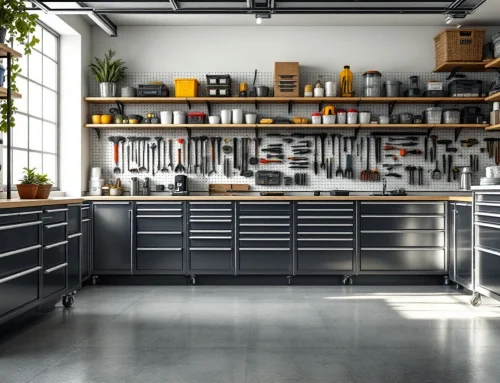
Once you’ve categorized your items by frequency of use, matching them to the right garage storage solutions becomes simple. Wall-mounted pegboards work perfectly for Tier 1 weekly items—hand tools, hammers, screwdrivers, and small hardware stay visible and within arm’s reach. Install them at chest height for maximum accessibility.
Shelving systems offer the flexibility Tier 2 monthly items need. Adjustable heights accommodate everything from paint cans to sporting equipment, and you can reconfigure them as your storage needs change throughout the year.
For Tier 3 seasonal items, wall cabinets provide enclosed, secure storage that keeps holiday decorations and camping gear dust-free but out of prime real estate. Overhead racks maximize vertical space for bulky, lightweight items like coolers and storage bins.
Most DIYers can install these systems over a single August weekend without specialized tools. Ready to explore specific products? Check out our garage storage systems page for detailed options.

Installation & Layout Roadmap
Before you drill the first hole, sketch your layout on paper. Mark where pegboards, shelves, and overhead racks will go, accounting for wall studs and door clearances. This planning step prevents expensive mistakes and wasted materials.
Start your first weekend by installing Tier 1 systems—wall pegboards and mid-level shelving for your most-used items. Use a stud finder to locate secure mounting points, and choose fasteners rated for the weight you’ll store. After installing these high-traffic zones, walk through your garage and confirm you can access everything comfortably.
Your second weekend is for Tier 2 and Tier 3 systems. Upper shelving, cabinets, and overhead racks. Test accessibility by placing actual items on each storage level. If something doesn’t fit or feels awkward to reach, adjust spacing before the system is fully loaded.
Finishing before Labor Day gives you breathing room before fall activities demand your newly organized space.
Before Fall Arrives: Final Checks
Before September’s demands arrive, take one afternoon to validate your installation under real-world conditions. This final checkpoint prevents discovering problems when you need immediate access to school supplies or fall equipment.
Run through this essential checklist:
- Verify all shelving is level and securely fastened to studs
- Test weight capacity by loading items gradually rather than maxing out shelves immediately
- Confirm walkways remain clear for vehicle access and family safety
- Label storage zones so every family member knows where items belong and can maintain your new system
A functional, organized garage ready before fall activities begin—that’s the lasting benefit of your August project.






Leave A Comment