

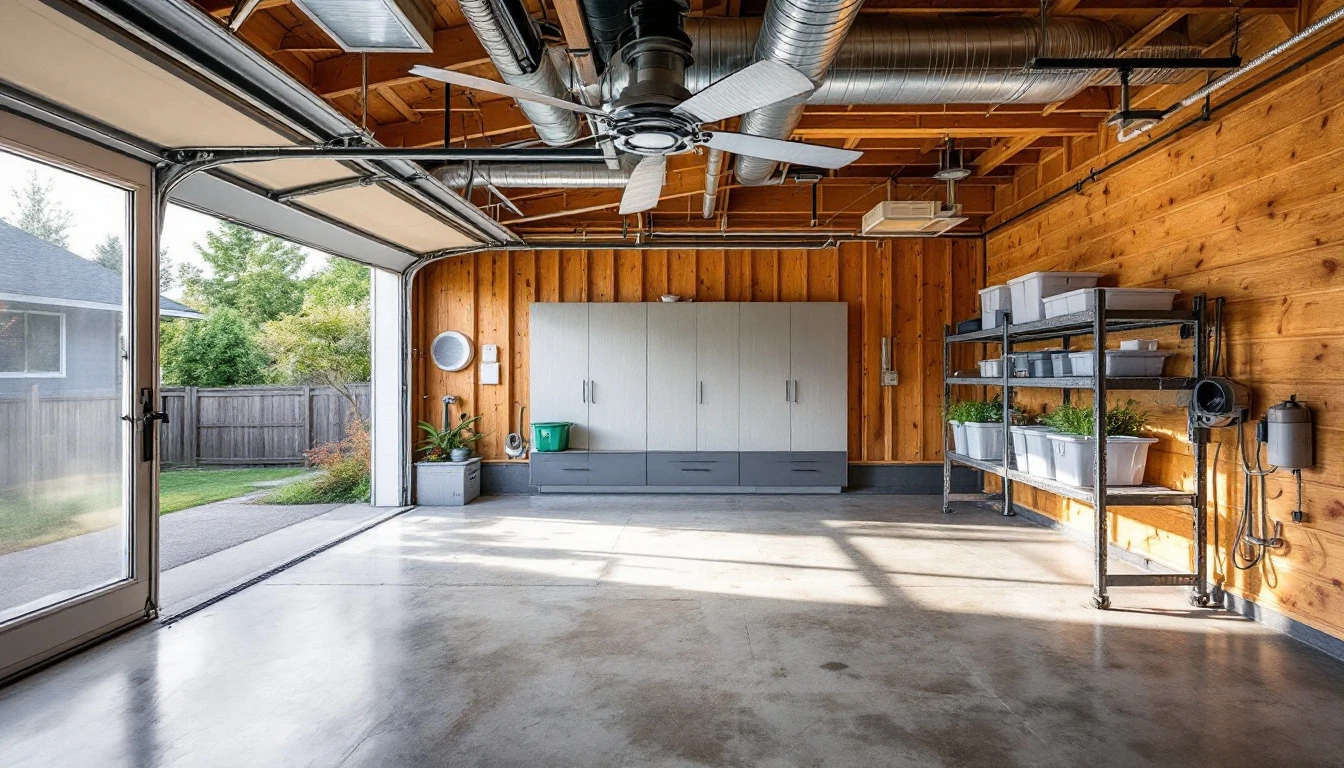
Summer Heat Problem: Garage Ventilation Portland Oregon
When summer arrives in the Portland metro area, most homeowners retreat indoors—and that includes abandoning their garages. Despite the Pacific Northwest’s reputation for mild weather, garages in the region routinely exceed 100°F on sunny summer days. Transforming these spaces into sweltering zones that are unusable for projects, storage, or even parking. A smart garage ventilation Portland Oregon system can reclaim this space from the heat.
Why do PNW garages get so hot? The combination of inadequate air exchange, poor insulation, and direct sun exposure on metal doors and roofs creates a heat trap. Unlike living spaces with climate control, garages lack ventilation systems to push out hot air and draw in cooler breezes. Metal structures absorb and radiate heat, while sealed spaces prevent any natural airflow from relieving the buildup.
This heat isn’t just uncomfortable—it’s destructive. Vehicles parked in overheated garages suffer accelerated wear on tires, batteries, and interior components. Tools rust faster, paints and chemicals degrade, and stored materials like cardboard or plastics break down prematurely. Heat damage quietly shortens the lifespan of everything you’ve invested in.
Proven ventilation systems can reduce garage temperatures by 10–20°F. Reclaiming this valuable space for year-round use. The right approach transforms your garage from a summer oven into a functional workshop, storage area, and protected parking zone.
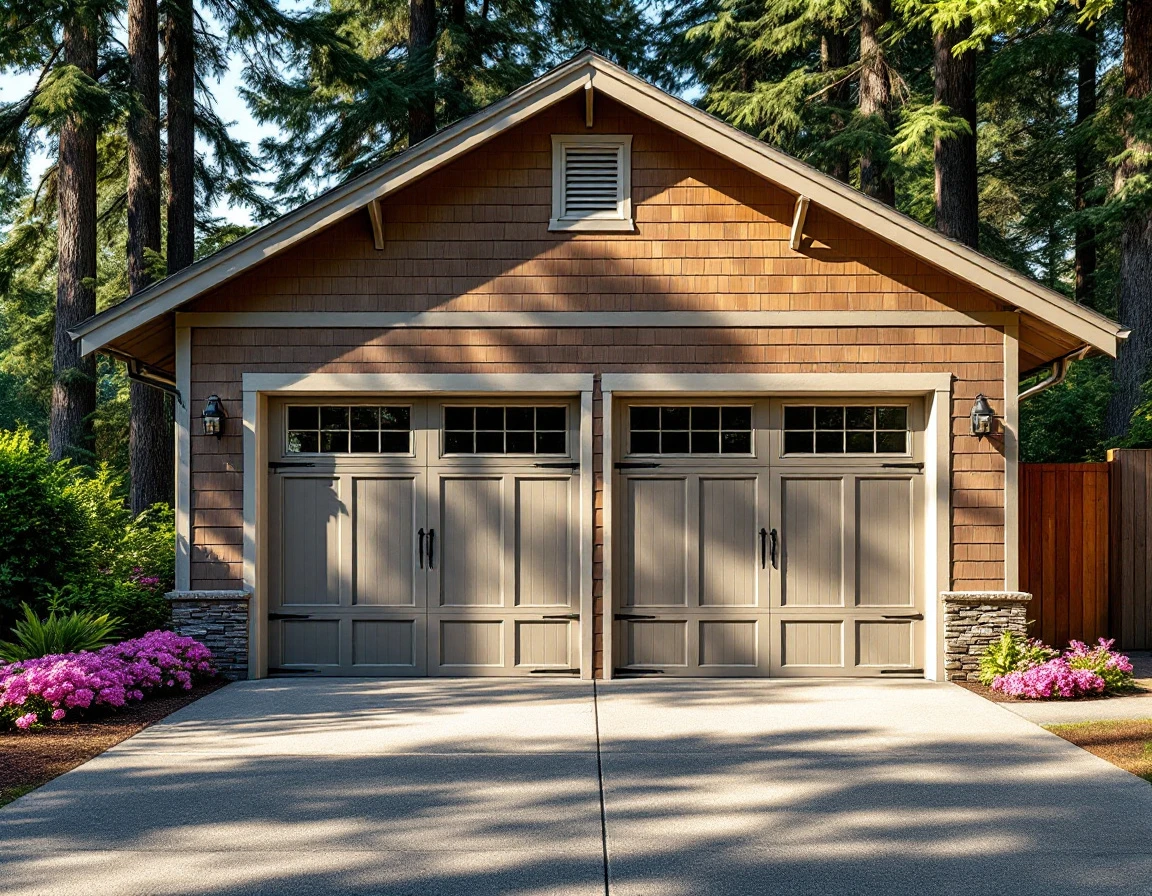
Three Core Ventilation Solutions
When your Portland garage feels like an oven in July, you have three proven ventilation strategies to choose from. Each approach tackles heat buildup differently, and understanding how they work will help you pick the right fit for your space, budget, and garage configuration.
Exhaust Fans: Active Heat Extraction
Exhaust fans work by actively pulling hot air out of your garage and creating negative pressure that draws cooler outdoor air in through gaps, doors, or dedicated intake vents. These electric-powered units can reduce temperatures by 10–15°F when properly sized for your square footage and mounted in strategic locations near the ceiling where heat accumulates. They work well in both attached and detached garages, though attached garages benefit most since they also prevent heat transfer into your home’s living spaces. Exhaust fans require electrical hookup and perform best when paired with a low intake vent to create proper airflow.
Attic Ventilation: Preventing Radiant Heat Transfer
If you have an attached garage with living space above it, the attic space between your garage ceiling and upper floor acts like a heat reservoir. Attic ventilation systems—typically ridge vents combined with soffit vents—improve airflow through this roof cavity, preventing trapped hot air from radiating downward into your garage. This passive strategy works around the clock and pairs especially well with insulation upgrades. While it won’t produce the dramatic cooling effect of an exhaust fan, it addresses the root cause of heat buildup in attached garages with rooms overhead.
Passive Venting: Zero-Cost Airflow
Gable vents, soffit vents, and louvered openings provide natural ventilation without electricity or moving parts. These passive systems rely on breeze and convection currents to move air through your garage. In consistently breezy climates, passive vents offer modest cooling at no operating cost. However, Portland’s summer air tends to be still during peak heat hours, which limits the effectiveness of passive-only solutions. They work best as supplements to active systems or in detached garages used primarily for storage rather than workshops or parking.
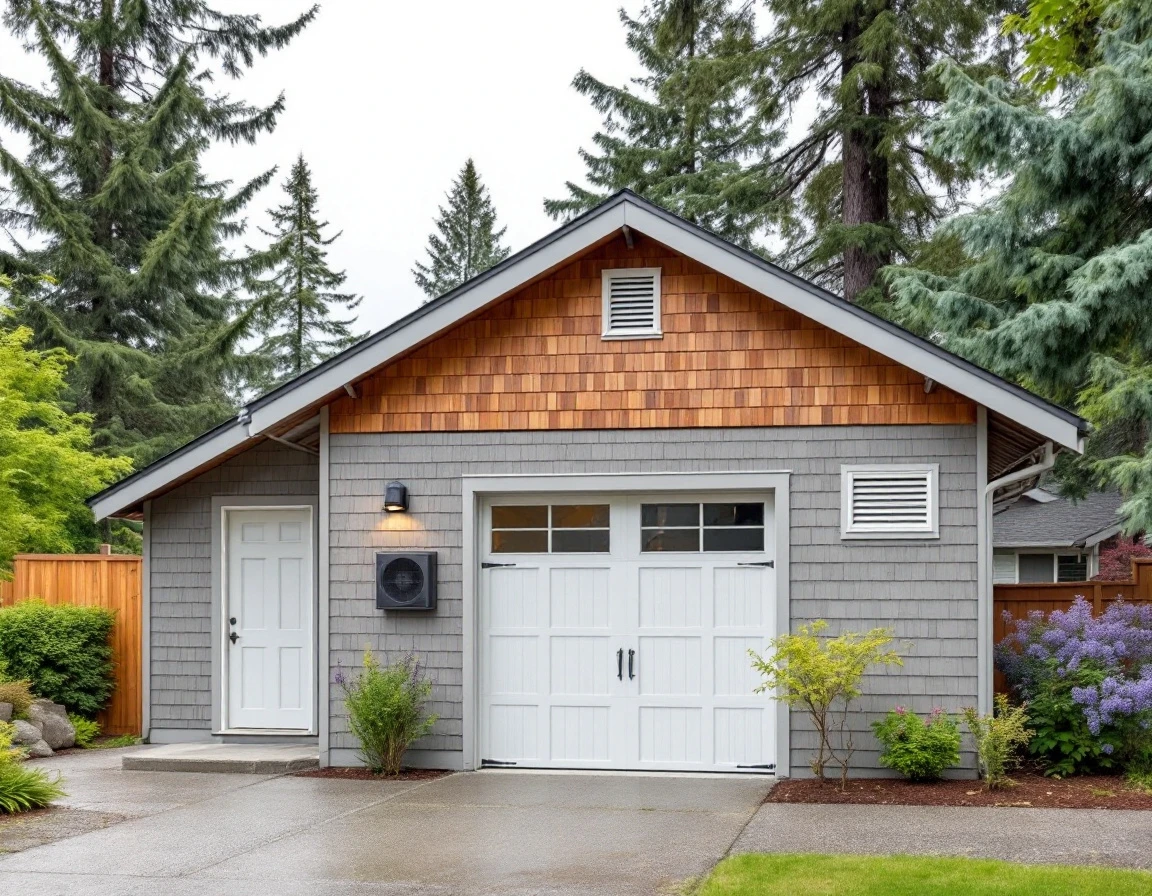
Exhaust Fans: Active Cooling
Exhaust fans work by pulling hot air out of your garage and drawing cooler outside air in through doors, windows, or passive vents. For Portland-area garages, this active approach delivers reliable cooling even on still summer days when passive systems struggle. The key to effectiveness lies in proper sizing and placement.
Start by calculating the CFM (cubic feet per minute) rating you need. Multiply your garage’s volume in cubic feet by the number of air changes per hour you want—typically six to eight for effective cooling. A standard two-car garage measuring 20×20×8 feet needs 1,280 to 1,700 CFM. Undersized fans waste money by running constantly without achieving meaningful temperature drops, while oversized units cost more upfront without proportional benefits.
Placement matters almost as much as sizing. Mount exhaust fans high on the back wall or through the roof, since hot air naturally rises and concentrates near the ceiling. Wall-mounted units are simpler to install and keep labor costs down, making them the budget-friendly choice for most homeowners in the Portland area. Roof-mounted models require cutting through roofing material and sealing against our frequent rain, which adds to the installation expense but delivers superior airflow patterns that justify the investment.
Electrical requirements vary by fan size. Most residential exhaust fans run on standard 120-volt circuits, but larger models may need dedicated 240-volt lines—a job for licensed electricians. Installation typically takes one to two days, including electrical work and any necessary ductwork.
Noise becomes a real concern in attached garages. Look for fans rated below 3.0 sones if your garage shares a wall with living spaces. Regular maintenance involves cleaning or replacing filters every three months to maintain airflow efficiency and prevent motor strain.
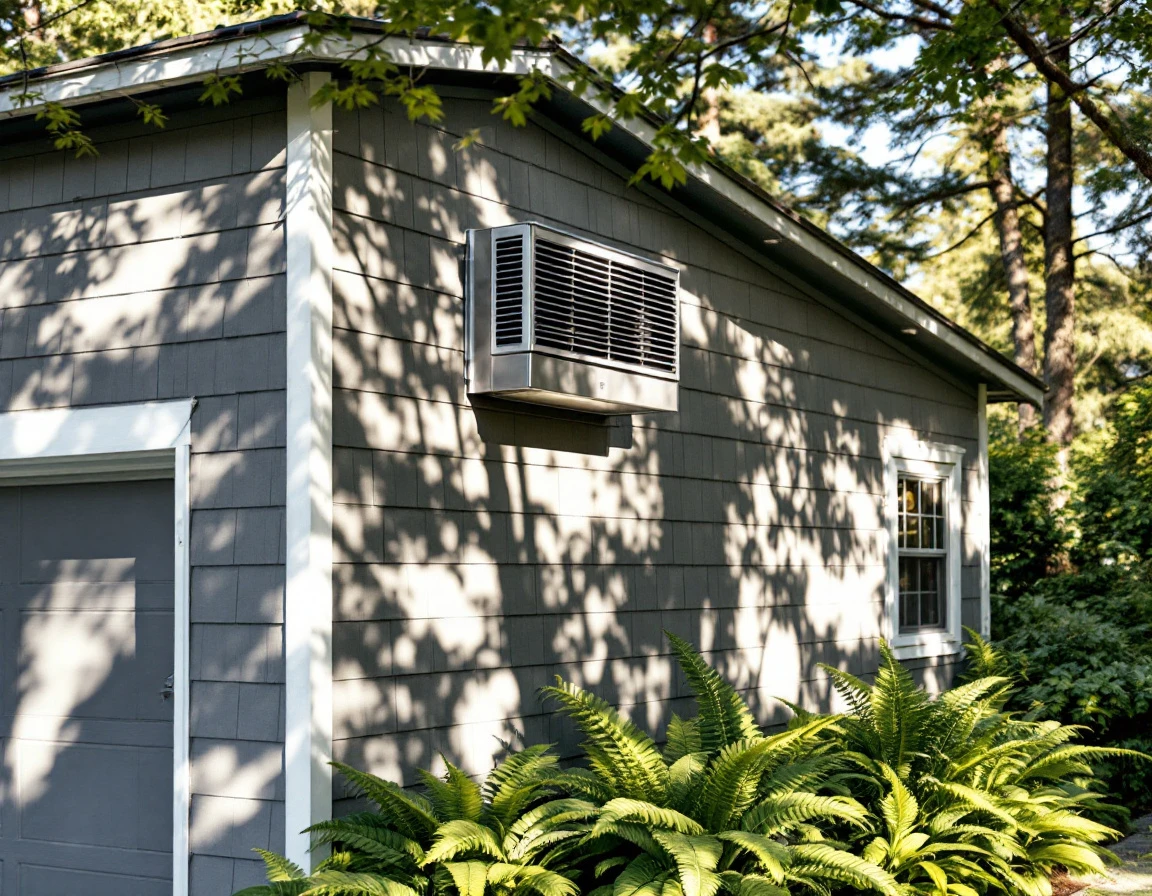
Attic Ventilation for Summer Garage Temperature Control
Attic ventilation systems tackle garage heat from above, addressing the radiant heat that transfers through the ceiling of attached garages. When your attic space heats up during summer days, that thermal energy radiates downward into the garage below, often adding substantial warmth even before you factor in direct sun exposure on walls and doors. A properly balanced attic ventilation system reduces this radiant heat transfer, lowering attached garage temperatures by 5–10°F.
The key to effective attic ventilation lies in achieving soffit-to-ridge vent balance. Cool air enters through soffit vents near the eaves, flows upward through the attic space, and exits through ridge vents at the roof peak. Many older Portland homes lack adequate intake vents at the soffits, which creates a bottleneck that prevents proper air circulation. Without sufficient intake, ridge vents can’t exhaust hot air effectively, leaving your attic and attached garage sweltering.
For detached garages, attic ventilation offers limited benefit since there’s no shared attic space with the main home. The impact concentrates almost entirely on attached garages where roof structures connect directly. Installation costs for Portland-area homeowners vary based on the scope of work, such as adding soffit vents, upgrading ridge vents, ornts, or addressing both components.
Attic ventilation works best as a complementary solution paired with exhaust fans rather than as a standalone cooling strategy. While it reduces the heat load from above, you’ll still need active air movement to expel the hot air that accumulates from direct sun exposure, vehicle heat, and equipment use. Together, these systems create a cooler, more functional garage space throughout Portland’s warmest months.
Passive Venting: Low-Cost Option
If you’re working with a tight budget or live in naturally breezy areas, passive venting offers the most affordable entry point for garage cooling. Gable vents, louvered doors, and soffit vents typically cost just $100 to $300 to install. Making them accessible for homeowners who can’t invest in powered systems. These simple openings allow hot air to escape naturally when wind moves through your garage.
Where does passive venting work best? Communities along the Columbia River Gorge and improved areas in the Pacific Northwest with reliable summer breezes see the most benefit from this approach. In these locations, consistent wind patterns create natural air circulation that can noticeably reduce garage temperatures without any mechanical assistance.
Here’s the honest limitation: passive venting struggles in Portland’s basin during calm, hot summer afternoons when your garage needs cooling most. Without wind to drive air movement, heat simply accumulates inside. During these conditions, you’ll need to pair passive vents with an exhaust fan or accept that your garage will remain uncomfortably warm during peak heat hours. Think of passive venting as a supplemental strategy rather than a complete solution for Portland proper.
Selecting and Installing Your Solution
How do you choose which system fits your garage? Start with a quick assessment. Is your garage attached or detached? Attached garages benefit most from combining exhaust fans with attic ventilation, since heat radiating down from the roof space creates the biggest temperature problem. Detached garages typically do well with exhaust fans alone, especially if they have good roof insulation.
Next, consider size and budget. A single-car garage under 300 square feet can often get by with one wall-mounted exhaust fan and basic passive vents. Larger two- or three-car garages may need multiple fans or a more powerful roof-mounted unit. Professional installation for exhaust fans and attic ventilation projects represents a meaningful investment that varies based on system complexity and your home’s structure. If you’re comfortable with basic electrical work and have experience cutting through walls or roofs, DIY installation can reduce costs—but improper wiring or flashing creates safety risks and potential water damage.
For most Portland homeowners, we recommend starting with an exhaust fan as your primary solution for cooling garage spaces efficiently. If your garage is attached and you notice the ceiling staying hot even after sunset, add attic ventilation to address the heat source above. Passive vents work well as supplements but rarely solve the problem on their own during calm summer afternoons.
Here’s the reality: we’re already in peak heat season. Every week you delay means another week of a garage too hot to use. If you’re considering professional installation, get quotes now before August arrives and contractors book up with urgent calls. Waiting until next spring means enduring one more full summer of heat damage to your vehicles, tools, and peace of mind.
Ready to reclaim your garage? Learn more tips for keeping your garage cool or contact us today to schedule an assessment and get expert recommendations for your specific setup.

Leave A Comment