

Agricultural Property Challenges for Rural Garage Doors Banks Oregon
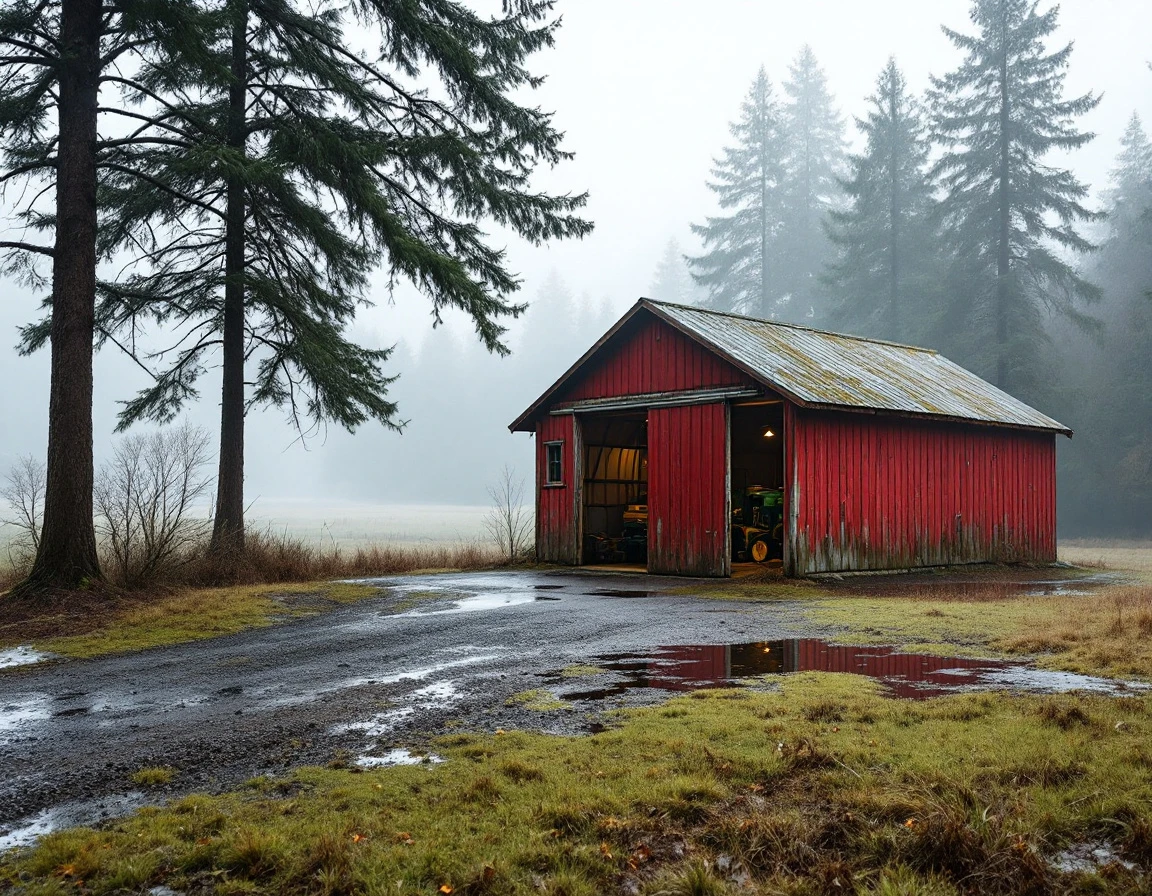
Farm properties near Banks face unique garage door obstacles that suburban homeowners rarely encounter. Mud-caked tracks, gravel embedding in seals, and moisture from irrigation create accelerated wear patterns requiring specialized maintenance approaches. Rural garage doors Banks Oregon homeowners install must handle conditions standard residential doors simply cannot endure.
Mud and gravel driveways accelerate wear on door
Rural properties in Banks face unique challenges that most suburban garages never encounter. Mud and gravel driveways track abrasive debris directly into door tracks and rollers. Grinding away at weatherstripping and creating gaps that let moisture inside. Each time your vehicle enters, it brings fine grit that acts like sandpaper on moving parts.
Seasonal moisture cycles compound these problems in detached structures. Pacific Northwest winters saturate wooden door panels and frames, while summer drying causes contraction. This constant expansion and contraction loosens hardware and creates entry points for water, accelerating rust on springs, hinges, and tracks that weren’t designed for agricultural conditions.
Single-car and barn-style garages experience
Single-car and barn-style garages face unique challenges in Banks and surrounding Tualatin Valley farmlands. Unlike attached residential garages protected by your home’s structure, detached agricultural buildings take direct hits from wind-driven rain, seasonal fog, and temperature swings that stress both doors and openers.
Standard residential garage door openers simply can’t handle the demands of farm life. When you’re moving tractors, equipment trailers, and hay wagons through your garage doors multiple times daily, builders-grade openers wear out fast. Heavy-duty garage door opener farm properties require commercial-grade openers with reinforced drive systems and weatherproof housings that become practical necessities rather than upgrades on working acreage properties.
Heavy-Duty Opener Selection for Farm Garage Doors
Agricultural properties demand openers built to handle conditions that would destroy standard residential units. Farm garages in Banks and the surrounding Tualatin Valley see daily cycles that far exceed typical suburban use—opening for morning equipment checks, midday field access, and evening livestock care adds up to ten or more operations per day compared to the suburban average of three to four.
Commercial-grade motors rated for 10,000+ cycles provide the reliability rural property garage door repairs Banks operators need. These openers feature larger gear assemblies and reinforced drive mechanisms that withstand the torque required to lift heavy barn-style doors through wet weatherstripping resistance.
A residential opener rated for 3,000 cycles might last three years on a property with twice-daily tractor access—a commercial unit handles the same workload for a decade or more.
Drive system selection matters in muddy conditions. Belt-drive and chain-drive openers handle debris better than screw-drive units because their lifting mechanisms stay improved above the door track. When gravel dust and mud migrate into the garage during wet seasons, chain drives continue operating where screw threads would bind. Chain drives also handle temperature swings without the expansion issues that affect screw-drive rails during spring freeze-thaw cycles.
Horsepower ratings must match your door’s actual demands. A single-car steel door needs ½ horsepower, but insulated barn-style doors with added weatherstripping can require ¾ horsepower to overcome the seal compression during cold mornings. Underpowered openers strain and fail prematurely.
Backup battery systems prevent the emergency scenarios this region knows too well. When winter storms knock out power during calving season or harvest equipment needs emergency access, battery backup keeps operations running. Manual disconnect releases provide secondary access, but climbing a ladder in icy conditions creates risks that battery systems eliminate.
Weatherstripping for Mud & Moisture
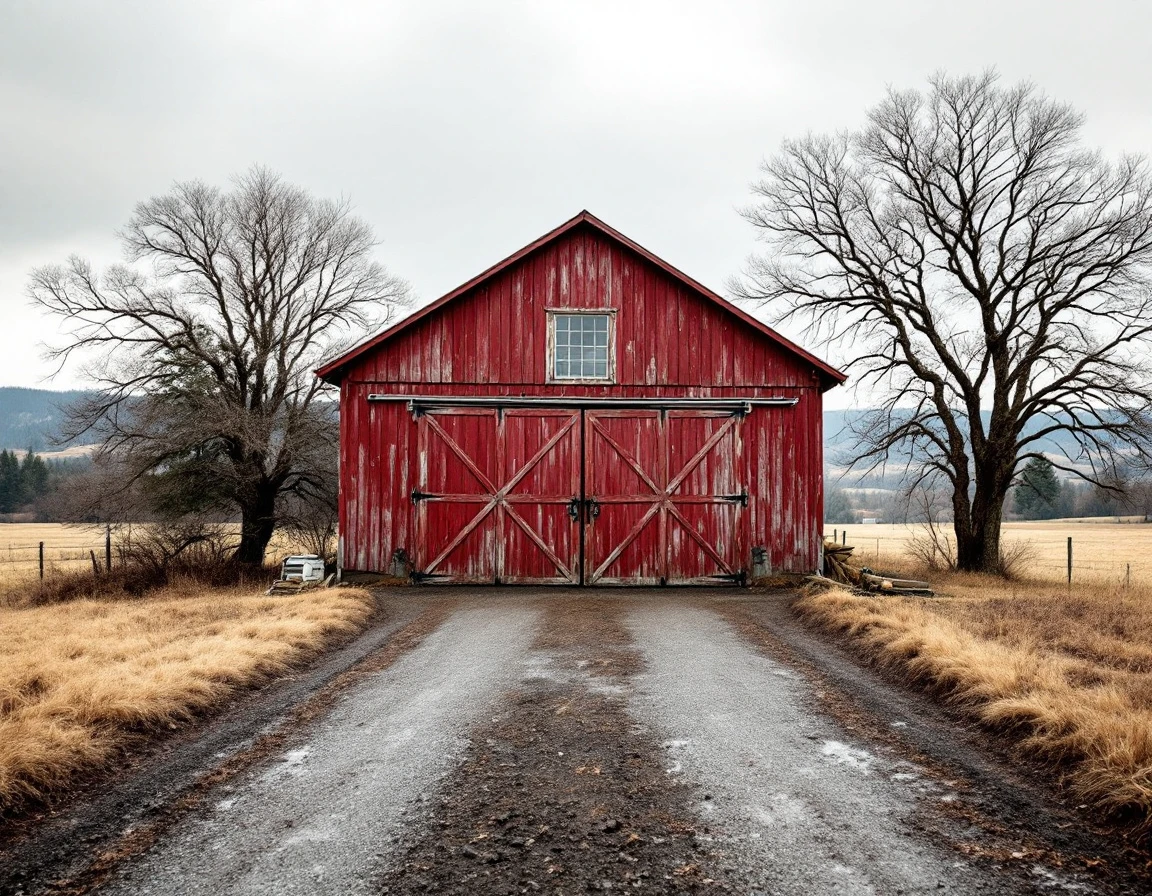
Standard residential weatherstripping buckles under rural conditions that agricultural garages face daily. Mud spray from gravel driveways, standing water during seasonal downpours, and abrasive grit tracked by farm equipment all degrade residential-grade vinyl and foam seals within months. Garage door weatherstripping agricultural buildings requires agricultural-grade weatherstripping built with thicker rubber compounds and reinforced vinyl that maintains flexibility even when caked with dried mud or submerged in standing water.
The Tualatin Valley’s wet climate makes proper sealing particularly important for Banks-area properties. Spring and summer bring the heaviest rainfall, creating the exact moisture conditions that penetrate poorly sealed garage doors. Water intrusion leads to interior corrosion on stored tractors, combines, and workshop tools—damage that becomes costly when rust compromises hydraulic systems or electrical components. Agricultural weatherstripping systems use industrial rubber compounds designed for wet Pacific Northwest conditions, maintaining their seal integrity through repeated wet-dry cycles that would destroy residential products.
Replace weatherstripping annually each spring before summer rainfall peaks. This timing aligns with the June maintenance window when temperatures allow proper adhesive curing and before peak agricultural season demands full equipment access. Spring replacement prevents the cascade of problems that begin with small moisture intrusions: rusted tracks, corroded springs, and waterlogged door panels that eventually require emergency replacement during critical harvest periods.
Proper sealing protects your investment in both the garage structure and the equipment inside. When weatherstripping fails, you’re not just dealing with a drafty building—you’re inviting the corrosion and water damage that forces expensive emergency repairs exactly when you need your equipment most.
Seasonal Maintenance Before Summer
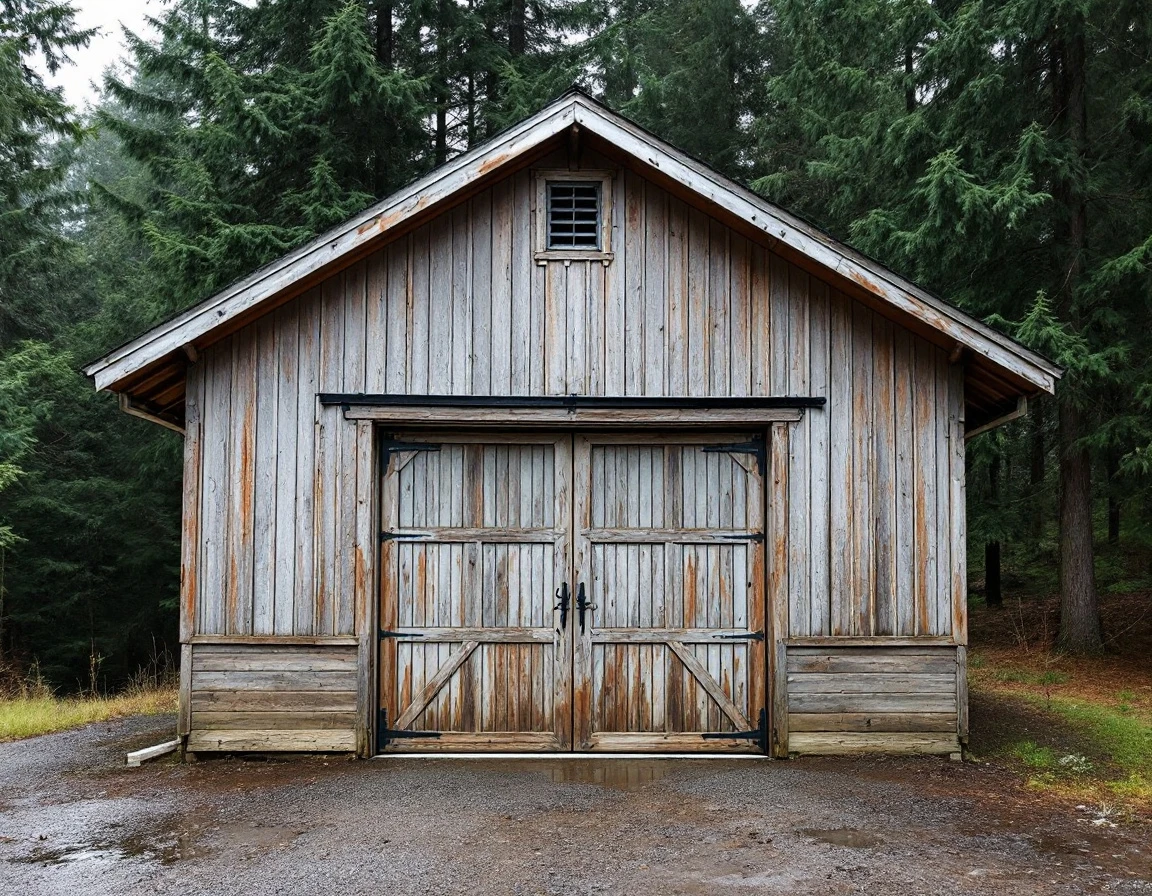
For Banks-area property owners, the transition from spring to summer represents a critical maintenance window. The freeze-thaw cycles of Oregon winters leave their mark on garage door components, particularly on springs and track systems. What does this damage look like? Springs may show small rust spots or corrosion at coil points where condensation repeatedly froze and thawed. Metal tracks often develop slight warping or stress fractures where ice expanded against the metal.
June maintenance becomes especially important when you consider that summer marks peak equipment use on rural properties. Tractors move in and out of barns multiple times daily during haying season. Harvest equipment requires frequent access. This is precisely when you cannot afford a door failure that traps essential machinery inside.
Your June inspection checklist should include these specific tasks:
- Clean all tracks thoroughly to remove accumulated mud and gravel that built up during wet spring months. This debris doesn’t just sit there—it actively impedes roller movement and creates friction points that accelerate wear.
- Inspect spring assemblies for any rust or corrosion damage from winter moisture.
- Lubricate all heavy-duty components including hinges, rollers, and chain drives with agricultural-grade lubricant designed for outdoor equipment.
Taking these steps before the busy season starts means your door operates reliably when you need it most. Emergency repairs during harvest time can cost you more than just repair fees—they can delay time-sensitive farm operations.
When Professional Repair Is Essential
Some garage door issues cross the line from DIY maintenance into dangerous territory. Spring tension problems and cable damage require professional service—attempting these repairs yourself risks serious injury from the high-tension forces involved. Similarly, rust-compromised tracks and hinges demand expert assessment to prevent mid-season collapse when your equipment garage gets the heaviest use.
Agricultural properties should schedule professional inspection before peak equipment season, not wait for emergencies. A trained technician can spot rust damage, worn cables, or weakened springs before they fail under the stress of daily tractor and equipment access. This approach saves money compared to emergency calls during busy summer harvest periods, when technicians command premium rates and delays can disrupt farm operations.
For Banks-area properties with detached agricultural garages, professional inspection becomes even more critical. These structures face greater environmental exposure than attached residential units, making hidden damage more likely. A spring inspection identifies problems while you still have time to schedule repairs at standard rates, avoiding the costly emergency failures that shut down equipment access during critical farm work windows.
Contact Garage Harmony today to schedule your pre-season inspection and protect your agricultural operation from preventable breakdowns.
